Dive Site
Las Palmas Reef Dive Site – Cozumel
While generally calm, Las Palmas is known for variable and sometimes swirling currents. These conditions are manageable for new divers but require attention and proper briefing to avoid complacency.
Dive Profile
- Depth
- 40–70 ft
- Skill level
- Beginner
- Entry type
- Boat
- Coast
- West
Where It Sits
Sits between Paradise to the north and Chankanaab Shallow to the south along Cozumel's west coast reef line. Current runs south to north, so drifts here typically enter toward Chankanaab Shallow and finish toward Paradise.
Overview
Las Palmas Reef Dive Site – Cozumel
Overview
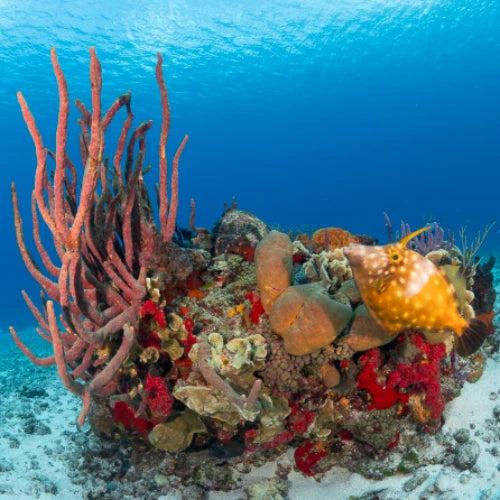
Las Palmas Reef is a shallow, beginner-friendly dive site located just south of Paradise Reef inside the Cozumel Marine Park. Often used as an alternative when Paradise is busy, this site offers easy depth profiles, visible reef recovery, and a mix of coral heads and sandy areas that reward slow, observant diving.
While generally calm, Las Palmas is known for variable and sometimes swirling currents. These conditions are manageable for new divers but require attention and proper briefing to avoid complacency.
Site Overview & Conditions
Depth Range: Approximately 30–50 feet
Currents: Usually mild, but can swirl or change direction
Visibility: Typically good, with strong contrast between sand and reef
Entry Style: Boat drift dive
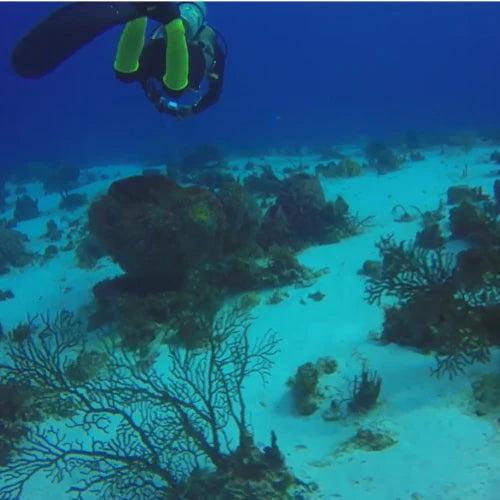
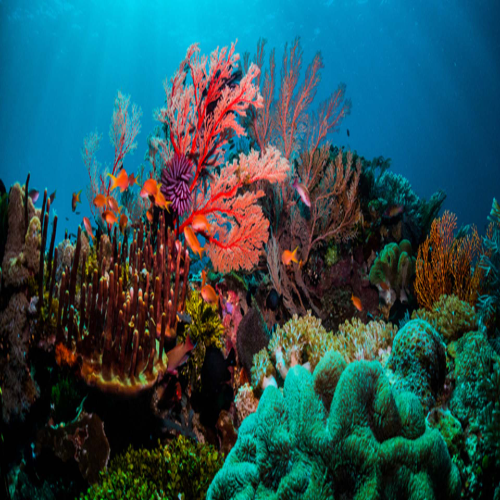
Las Palmas Reef lies opposite the area once marked by palm trees and near the Money Bar (formerly Dzul Ha). Portions of the reef were impacted by Hurricane Rita and temporarily covered by sand, but the site is recovering well, with healthy sponge and coral regrowth now clearly visible.
Key Features
- Low coral heads interspersed with wide sandy patches
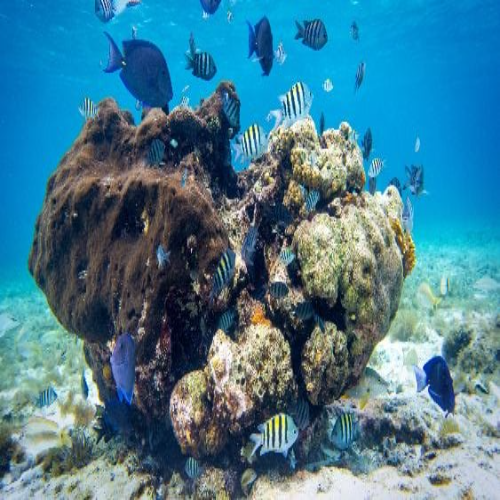
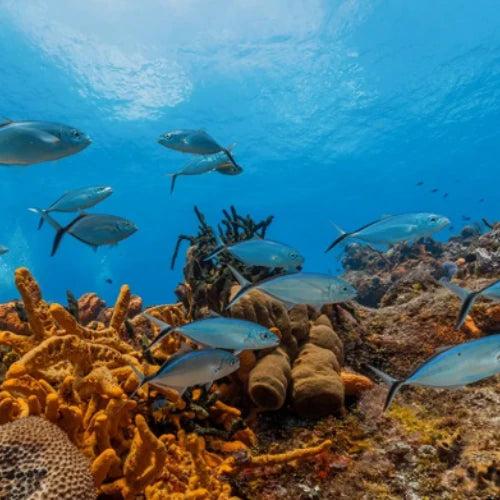
- Rough tube sponges, brain coral, and rope sponges
- Clear visual contrast between sand and regrowing reef
- Excellent habitat for cryptic and sand-dwelling species
Dive Experience & Safety Considerations
Difficulty Level: Beginner
Best Suited For: Newly certified divers, relaxed second-tank dives, and divers interested in searching for smaller marine life.
Not Recommended For: Divers uncomfortable with changing current direction or those expecting a fast drift dive.
Although shallow, currents can shift unexpectedly. Divers should maintain good buoyancy, stay with the group, and avoid contact with the bottom, particularly in sandy areas where camouflaged or venomous species may be present.
Marine Life Highlights
As with any reef in Cozumel, sightings vary by conditions and season. The following reflects typical frequency at Las Palmas Reef.
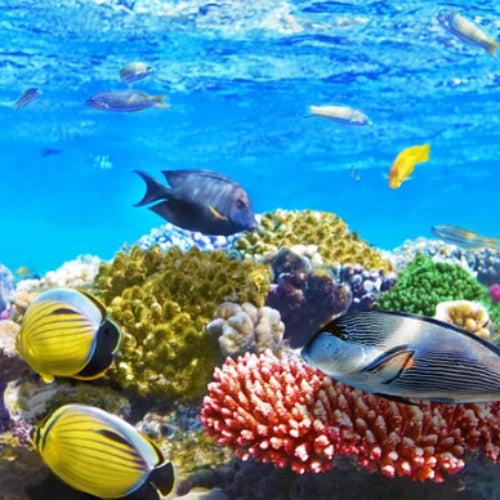
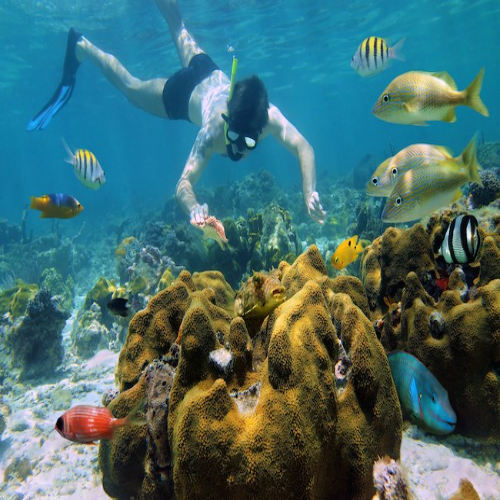
Common: Honeycombed cowfish, trunkfish, spotted moray eels, parrotfish
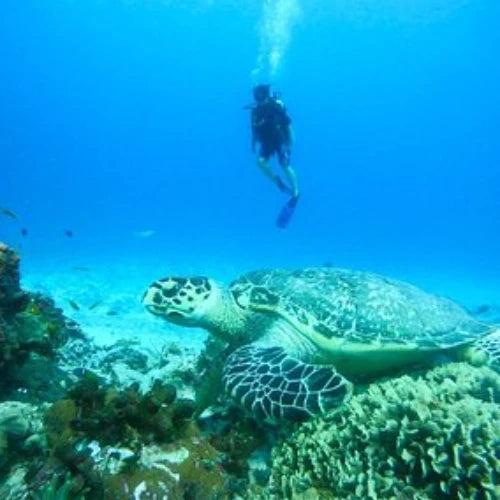
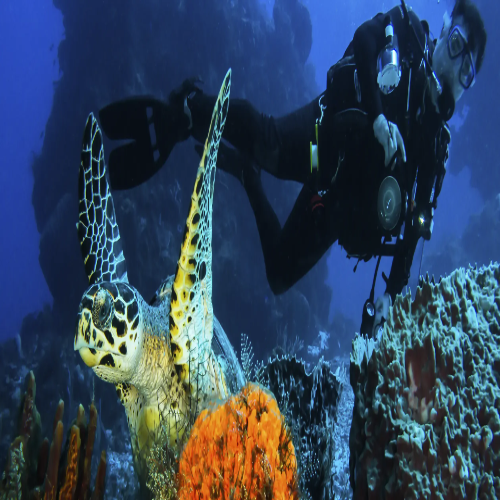
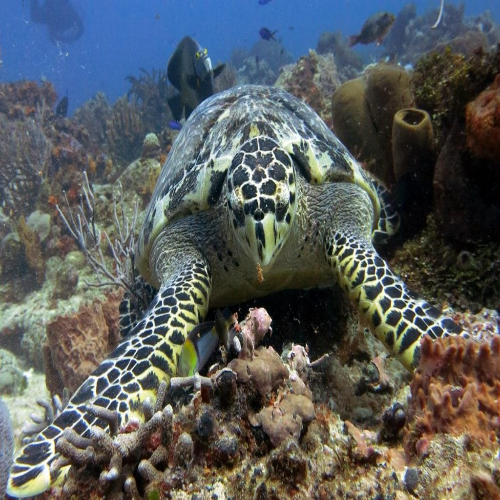
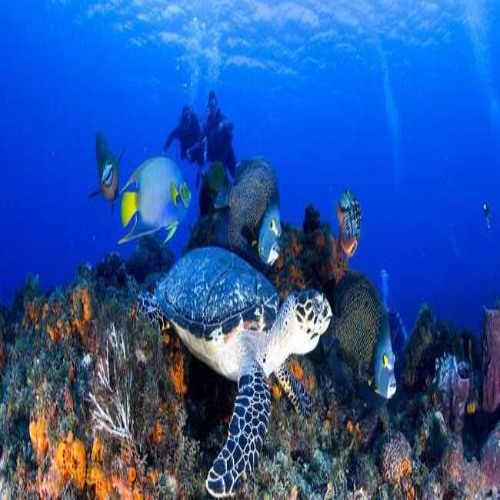
Occasional: Damselfish, barracuda, scrawled filefish, jackknife fish, queen angelfish, butterflyfish, seahorses, splendid toadfish, grunts and snappers, turtles, black groupers
Rare: Grouper and coney, scorpionfish, nurse sharks, eagle rays, green moray eels
Sandy areas adjacent to the reef can also produce sightings of stingrays and peacock flounder, though these encounters are unpredictable.
Why Dive This Site
Las Palmas Reef is valued for its calm pace, visible reef recovery, and variety of habitats within a small depth range. It encourages careful observation rather than fast movement, making it ideal for developing buoyancy control and marine life awareness.
Best For
- Beginner divers
- Second-tank marine park dives
- Macro and sand-life observation
- Easy Cozumel scuba diving profiles
- Divers seeking a quieter alternative to busier shallow reefs
Planning & Safety Notes
Las Palmas Reef is often selected as an alternative to Paradise Reef when similar depth and conditions are desired, but currents should always be evaluated carefully before entry due to their tendency to swirl and shift.
FAQ
Is Las Palmas Reef good for beginners? Yes. Its shallow depth and generally mild conditions make it suitable for beginner divers with proper supervision.
How does it compare to Paradise Reef? Las Palmas offers similar depth but more sand and slightly more variable currents.
Is the reef healthy? The site is recovering well, with visible coral and sponge regrowth following past storm damage.
Marine Life Commonly Seen Here
Each entry links to a species page with identification notes, depth and season, and the look-alikes divers most often confuse it with. The full list is in the Cozumel marine life guide.
What To Expect
- • 40–70 ft over a gently sloping reef with mild current throughout
- • Usually run as the second dive after something deeper to the south
- • Sand channels between coral heads make it easy to keep the group together
- • Reliable for moray eels, queen angelfish and splendid toadfish
- • Good visibility and light, which makes it a straightforward photography reef
Reviews
Reviews Coming Soon.
Frequently Asked Questions
How deep is Las Palmas?
Is Las Palmas suitable for beginners?
Where is Las Palmas located?
Is Las Palmas a boat dive or a shore dive?
Which dive sites are near Las Palmas?
Plan Your Dive Trip
Tell us your dates, certification level and what you want to see — we'll match you with the right dive site.
Plan Your Dive Trip