Dive Site
Maracaibo Reef Cozumel Dive Site
Maracaibo Reef is the southernmost regularly dived reef in Cozumel and one of the most dramatic deep wall dives in the region.
Dive Profile
- Depth
- 70–150 ft
- Skill level
- Advanced
- Entry type
- Boat
- Coast
- West
Where It Sits
The southernmost site on Cozumel's west coast reef line, south of Chun-Chacaab. Cozumel's current runs south to north, so a drift here is the start of the northbound run along the island.
Overview
Maracaibo Reef Cozumel Dive Site
Overview
Maracaibo Reef is the southernmost regularly dived reef in Cozumel and one of the most dramatic deep wall dives in the region. Located near Punta Sur and close to the Punta Celarain Lighthouse, this site is known for its depth, large ocean swells, unpredictable current patterns, and the famous Maracaibo arch formation. Among experienced divers and professionals, it is considered one of the most technically demanding Cozumel dive sites.
This is not a casual reef dive. Maracaibo is an advanced-level wall dive that requires excellent buoyancy control, strong situational awareness, and strict adherence to dive planning. It is often included in discussions of the best dive sites in Cozumel for experienced divers because of its scale, structure, and open-ocean exposure. However, conditions here require respect and conservative decision-making at all times.
For divers seeking deep Cozumel scuba diving with geological drama and open-ocean energy, Maracaibo delivers—but only when approached with proper training and discipline.
Site Overview & Conditions
Depth Range: 70–150 feet (21–46 meters)
Wall Edge: Approximately 85–95 feet
Arch Depth: Around 115 feet at entry
Maximum Typical Depth: 130–150 feet (varies by dive plan)
Maracaibo is a deep southern wall dive exposed to open-ocean conditions. Entry is typically performed in large surface swells, which can make giant strides and initial descents more challenging than at central marine park sites.
The top of the reef gradually slopes down before reaching the wall edge at roughly 90 feet. Beyond this point, the reef drops into a sheer vertical cliff that disappears into the deep blue. Visibility is often excellent, but the depth and blue-water exposure can create strong visual illusions that affect depth perception.
Currents here are sometimes unpredictable. While Cozumel is known for drift diving, Maracaibo can experience shifting current directions or sudden increases in flow. Proper group positioning and close attention to the divemaster are essential.
This site is generally conducted as a negative entry or controlled descent to minimize surface drift and maintain group cohesion.
Key Features
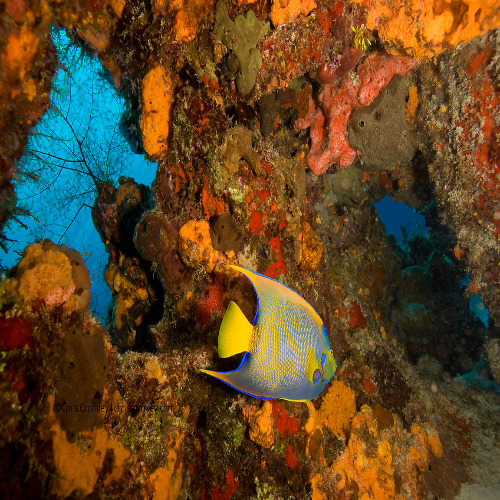
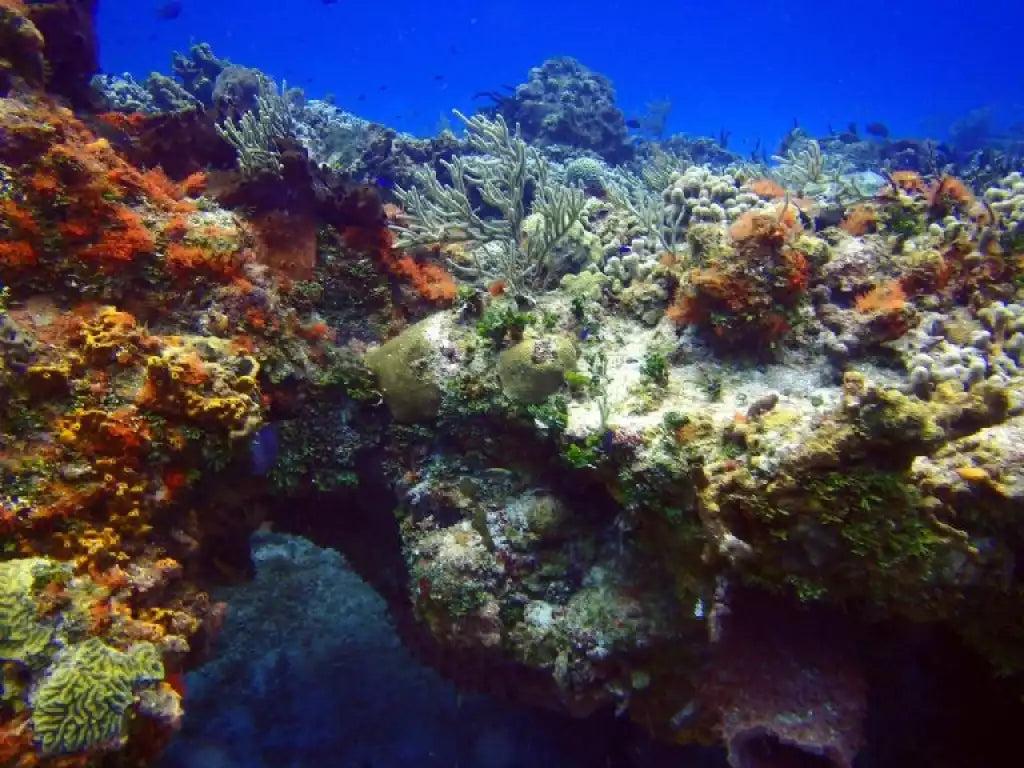
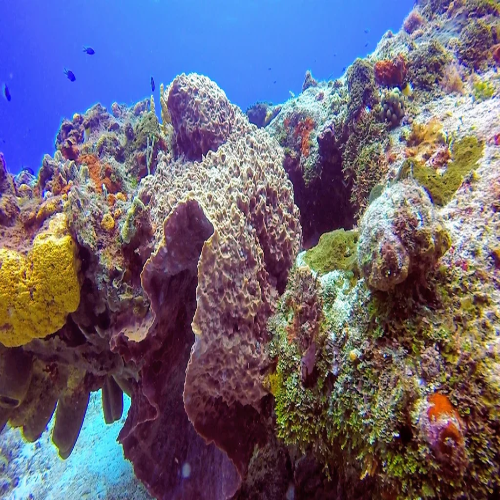
The Wall: Maracaibo’s wall is steep, dramatic, and heavily sculpted by time and current. Large overhangs and vertical coral growth dominate the structure. Massive sponges, black coral colonies at depth, and plate formations characterize the face of the wall.
The Fissure and Arch: One of the most recognizable geological formations in Cozumel scuba diving is the Maracaibo arch.
Approaching the arch, divers encounter a deep fissure cutting across the lip of the wall. This crack descends roughly 30 feet before opening onto the vertical face. From below, the arch itself appears as a large, symmetrical opening approximately 30 feet across.
The standard route is to enter from below and swim upward through the arch, following the natural fissure that formed it. This portion of the dive is typically conducted at significant depth, making gas management and no-decompression limits critical.
Transition Toward Chun-Chacaab: After completing the arch, most dive plans gradually move shallower and drift north toward the Chun-Chacaab reef structure, allowing for a safer off-gassing profile before ascent.
Dive Experience & Safety Considerations
Difficulty Level: Advanced to Expert
Recommended Certification: Advanced Open Water or equivalent
Deep diving experience required
Who Should Dive Maracaibo:
- Divers comfortable below 100 feet
- Divers experienced with deep drift dive procedures
- Those with strong buoyancy control in blue-water environments
- Divers who closely monitor air consumption and NDL limits
Who Should NOT Dive This Site:
- Open Water divers without deep training
- Divers with high air consumption
- Anyone uncomfortable in strong current or large surface swells
- Divers prone to anxiety in deep blue-water settings
Because of depth and current variability, group discipline is critical. Separation at Maracaibo can quickly become serious due to drift speed and distance from shore. Surface marker buoys (SMBs) are strongly recommended.
There is a real risk of surfacing far from the vessel if separation occurs. This southern exposure increases the danger of being carried away from pickup zones if procedures are not followed carefully. Strict adherence to dive briefings is non-negotiable.
Marine Life Highlights
Common:
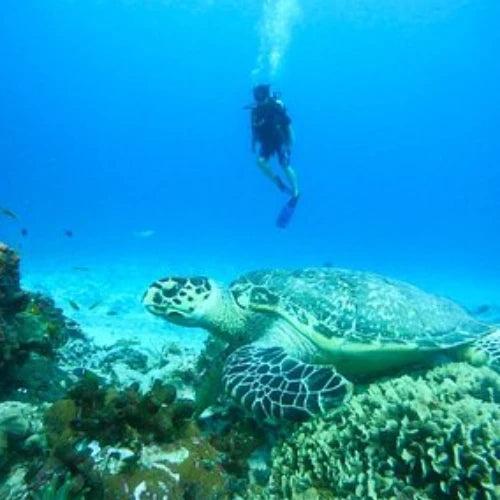
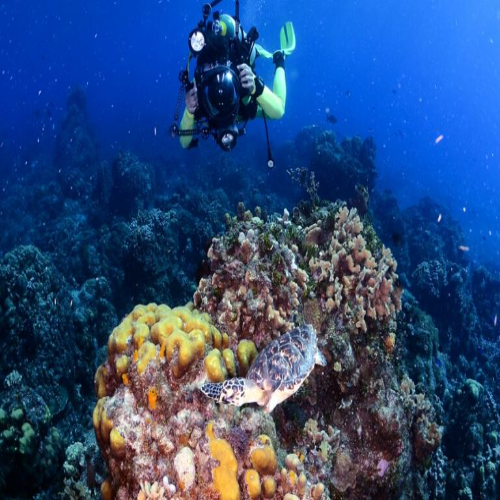
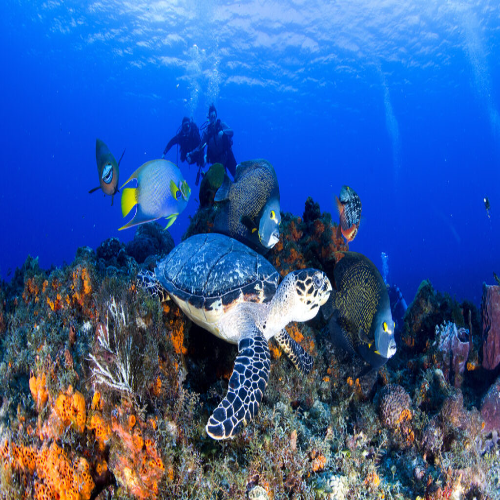
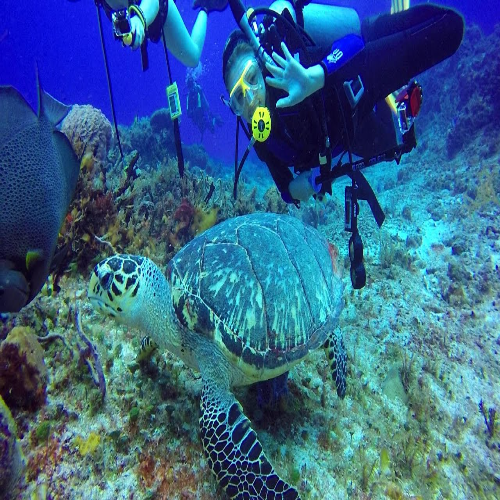
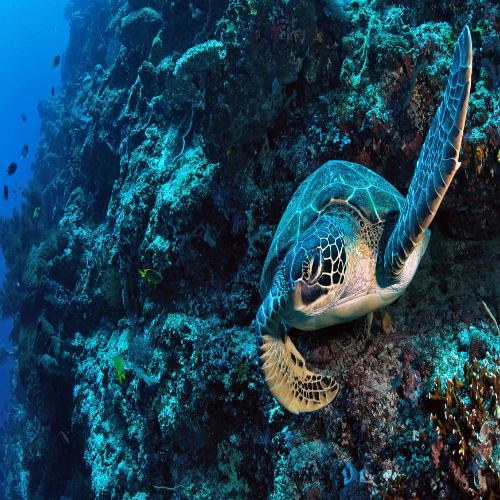
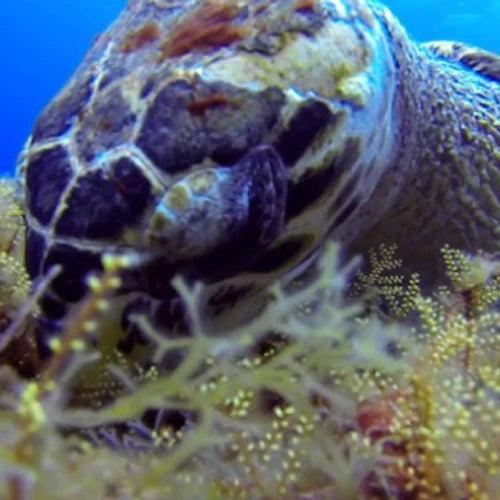
- Turtles
- Creole wrasse
- Typical deep wall reef fish species
Occasional:
- Spotted eagle rays
- Reef sharks
- Barracuda
- Groupers and coneys
- Grunts and snapper
- Bar jacks
- Hamlets and hawkfish
Rare:
- Nurse sharks
- Large black groupers
- Octopus
- Green morays
- Large parrotfish at depth
As with all Cozumel scuba diving, marine life sightings vary daily based on current strength, season, and water temperature.
Why Dive This Site
Maracaibo stands out among the best dive sites in Cozumel for advanced divers because of its scale and geological drama. The arch formation is one of the most architecturally striking underwater features in the region.
When conditions are stable and visibility is high, the sense of vertical drop and exposure creates one of the most impressive wall dive experiences available in Cozumel.
This site is best enjoyed when sea conditions are manageable, currents are predictable, and divers are well-rested and conservatively planning their depth profile.
Best For
- Advanced deep divers
- Experienced drift divers
- Divers seeking dramatic wall formations
- Photographers comfortable at depth
- Small, well-managed dive groups
Planning & Safety Notes
Maracaibo should only be scheduled when sea state and current forecasts are favorable. Conservative dive planning, redundant gas awareness, and delayed surface marker deployment skills are strongly recommended.
Because of its depth and exposure, this site should not be combined with aggressive repetitive profiles earlier in the day. Divers looking for a southern wall experience with less depth and lower risk exposure may consider Punta Sur as a more conservative alternative in this region.
Marine Life Commonly Seen Here
Each entry links to a species page with identification notes, depth and season, and the look-alikes divers most often confuse it with. The full list is in the Cozumel marine life guide.
What To Expect
- • 70–150 ft at the far southern tip, the deepest site on the island and always the first dive
- • Reaching the bottom of that range puts you past recreational limits, so plan conservatively
- • The boat ride out is long and the site is entirely weather-dependent
- • Big animals: reef sharks, eagle rays and large grouper out in the blue
- • Strong current and real depth — not a site to attempt early in a trip
Reviews
Reviews Coming Soon.
Frequently Asked Questions
How deep is Maracaibo?
Is Maracaibo suitable for beginners?
Where is Maracaibo located?
Is Maracaibo a boat dive or a shore dive?
Which dive sites are near Maracaibo?
Plan Your Dive Trip
Tell us your dates, certification level and what you want to see — we'll match you with the right dive site.
Get Our Deals