
PADI ADVANCED OPEN WATER DIVER COURSE
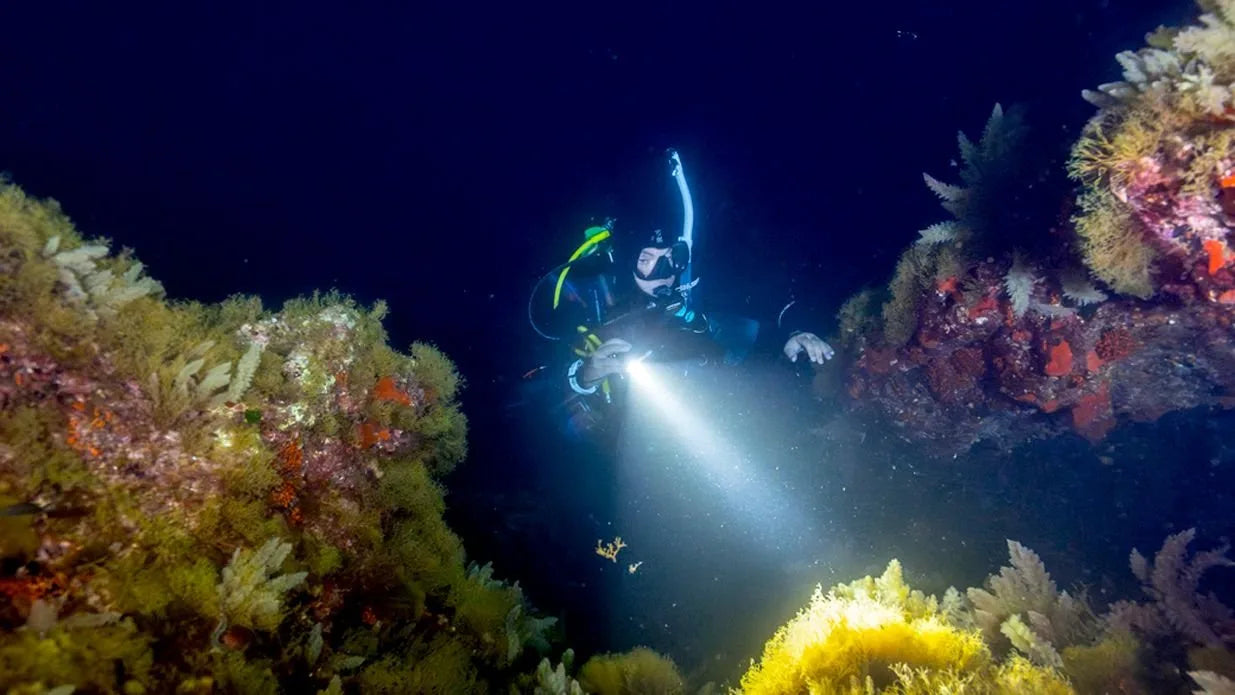
PADI Advanced Open Water Diver Course Details
The PADI® Advanced Open Water Diver course is designed to help certified divers improve their skills, gain confidence, and experience new types of scuba diving. It is the next major step after the Open Water Diver certification and is ideal for divers who want to explore deeper dives, improve underwater navigation, and expand their comfort in different dive environments.
In Cozumel, the Advanced Open Water course is especially useful because many of the island’s best dive sites involve drift diving, wall diving, deeper reef profiles, swim-throughs, boat procedures, and changing currents. The course can help certified divers become more comfortable with the type of real ocean diving that makes Cozumel one of the most famous scuba diving destinations in the Caribbean.
During the course, you complete five open water dives with a PADI Instructor. Two dives are required: a deep dive and an underwater navigation dive. The remaining three dives are chosen from available specialty options based on your interests, the local environment, conditions, and the dive center’s course structure.
Specialty dive options may include Deep, Digital Underwater Photography, Dive Against Debris, Dry Suit, Enriched Air Nitrox, Fish Identification, Night, Peak Performance Buoyancy, Search & Recovery, Underwater Naturalist, Underwater Navigation, and Wreck Diver. In Cozumel, popular choices often include Peak Performance Buoyancy, Drift Diving, Fish Identification, Underwater Naturalist, Night Diving, Wreck Diving, and Enriched Air Nitrox, depending on the dive center and available course schedule.
Each completed adventure dive may also count toward the related PADI specialty certification. Cozumel Dive Hub can help you choose the right Advanced Open Water course setup based on your certification level, recent dive experience, comfort with currents, preferred dive sites, hotel location, travel dates, and personal preferences.
What You'll Learn
- How to explore below 18m / 60ft with proper planning and supervision
- How to improve buoyancy control and underwater positioning
- How to use a compass and natural references for underwater navigation
- How to gain experience across different types of specialty diving
- How to build confidence as a certified scuba diver
- How to expand your dive skills beyond the Open Water Diver level
- How to become more comfortable with Cozumel drift dives, wall dives, boat dives, and deeper reef profiles
- How to choose adventure dives that match your interests, comfort level, and Cozumel dive goals
Certification Requirements
Prerequisites:
PADI Open Water Diver, Junior Open Water Diver, or a qualifying certification from another recognized training agency.
Time:
PADI eLearning: 6–8 hours
Entire course: commonly completed in 2–3 days, depending on schedule, dive center structure, chosen adventure dives, weather, boat availability, marine park conditions, and local dive conditions.
Age:
15 years or older for Advanced Open Water Diver.
12–14 years old for Junior Advanced Open Water Diver.
Health:
Good physical health is required. Divers may need to complete a scuba medical questionnaire before training, especially if there are medical conditions, recent health changes, or concerns related to diving activity.
Depth:
Maximum depth depends on age and certification level. Adult Advanced Open Water Divers may dive up to 30m / 100ft within training limits and local standards. In Cozumel, deeper training dives should always be planned around current, visibility, boat traffic, marine park rules, diver comfort, and instructor judgment.
How to Earn Your Advanced Open Water Diver Certification in Cozumel
To become a PADI Advanced Open Water Diver, you learn about underwater navigation, deep diving, and three additional specialty diving areas that match your interests. After reviewing the required knowledge, you complete skill practice and five open water dives with a PADI Instructor.
Unlike many entry-level courses, the Advanced Open Water Diver course is focused on gaining experience rather than passing a final exam. The goal is to help you become more comfortable, capable, and confident in different diving situations.
In Cozumel, this course can be a smart step for divers who want to feel better prepared for deeper reefs, drift dives, wall dives, night dives, wreck diving, eagle ray season, or more challenging dive sites. It can also help newer certified divers improve buoyancy, navigation, air awareness, and confidence before joining more advanced boat dives.
Step 1: PADI eLearning
PADI eLearning allows you to complete the knowledge-development portion of the Advanced Open Water Diver course before your dives. You study deep diving, underwater navigation, and three chosen specialty topics at your own pace.
Available eLearning topics may include altitude diving, boat diving, digital underwater imaging, drift diving, dry suit diving, fish identification, night diving, peak performance buoyancy, search and recovery, underwater naturalist, underwater navigation, and wreck diving.
For visitors coming to Cozumel, completing the eLearning before arrival can save valuable vacation time and make the in-water training schedule easier to organize around dive boats, weather, marine park conditions, and other island activities.
eLearning time commitment: 6–8 hours
Step 2: Training With Your Instructor
With your instructor, you complete five open water dives: one deep dive, one underwater navigation dive, and three selected specialty dives. These dives help you gain real experience, build confidence, and better understand your own diving abilities.
In Cozumel, these dives may take place on reefs, walls, wreck sites, night dive locations, or marine-life-focused sites depending on the dive center, conditions, course plan, and your chosen adventure dives. Some divers use the course to prepare for famous Cozumel dive sites such as Santa Rosa Wall, Palancar, Colombia Deep, the C-53 wreck, or other deeper and more advanced profiles.
A good Advanced Open Water course in Cozumel should do more than check off five dives. It should help you understand depth, current, buoyancy, navigation, boat procedures, reef protection, dive planning, and how to choose dives that match your real ability. Cozumel Dive Hub can help match you with a dive center, instructor, or freelance dive professional that fits your goals and comfort level.
Additional cost note: Your dive shop may charge separate fees for in-water training, gear rental, boat dives, marine park fees, course materials, eLearning, Nitrox, night dives, special dive site fees, or certification processing. Always confirm what is included before booking.
Total time commitment: Commonly completed in 2–3 days, depending on the dive center, student pace, chosen adventure dives, weather, and dive schedule.
Advanced Open Water Diver FAQs
What is PADI Advanced Open Water Diver certification?
PADI Advanced Open Water Diver is the next certification step after Open Water Diver. It helps certified divers improve their skills, gain more experience, and complete five adventure dives, including deep diving and underwater navigation. In Cozumel, it is especially useful for divers who want to become more comfortable with drift diving, wall diving, boat procedures, deeper reefs, and more varied dive environments.
What are the medical requirements?
Divers should be in good physical health and may need to complete a scuba medical questionnaire before training. If the questionnaire identifies a possible medical concern, a doctor’s approval may be required before participating. This is important because Advanced Open Water dives may involve deeper profiles, current, boat entries, night dives, or other more active dive conditions.
What are the prerequisites and minimum age?
You must be certified as a PADI Open Water Diver, Junior Open Water Diver, or hold a qualifying certification from another recognized training agency. The minimum age is 15 for Advanced Open Water Diver and 12–14 for Junior Advanced Open Water Diver. Junior divers have age-based depth limits and supervision requirements.
How long does the Advanced Open Water Diver course take in Cozumel?
The PADI eLearning portion usually takes 6–8 hours. The full course is commonly completed in 2–3 days, depending on the dive center schedule, chosen adventure dives, boat logistics, local conditions, weather, and student progress. Completing eLearning before arrival can make the Cozumel course schedule easier and more efficient.
How many dives are needed for Advanced Open Water?
The PADI Advanced Open Water Diver course includes five open water dives. Two are required: deep diving and underwater navigation. The other three are chosen from available specialty dive options. In Cozumel, divers often choose options that fit local diving, such as buoyancy, drift diving, fish identification, underwater naturalist, night diving, Nitrox, photography, or wreck diving.
Is PADI Advanced Open Water difficult?
The course is usually not considered difficult for certified divers who are comfortable in the water. It is designed to build experience and confidence rather than test you with a final exam. In Cozumel, the course can feel more adventurous because dives may involve boat diving, current, walls, deeper reefs, or night conditions, but your instructor guides you through each dive step by step.
What are the mandatory dives for Advanced Open Water Diver?
The two mandatory dives are the deep dive and the underwater navigation dive. These dives help you understand deeper dive planning, depth awareness, compass use, natural navigation, and better underwater control. In Cozumel, these skills are useful because many dives are drift dives and some of the most famous sites involve deeper reef profiles or walls.
How deep can a PADI Advanced Open Water Diver go?
Adult PADI Advanced Open Water Divers may dive up to 30m / 100ft within training limits and safe diving practices. Junior divers have age-based depth restrictions. In Cozumel, deeper dives should always be planned with a qualified operator or instructor based on current, visibility, air consumption, boat procedures, and your real comfort level.
How do you become a PADI Advanced Open Water Diver?
To become a PADI Advanced Open Water Diver, you complete the knowledge-development portion, then make five open water dives with a PADI Instructor. These include a deep dive, a navigation dive, and three additional specialty dives. In Cozumel, your course can often be planned around local reef conditions, dive site availability, boat schedules, and your personal diving goals.
Do you need Advanced Open Water to night dive in Cozumel?
Advanced Open Water certification is not always required to try night diving, but training is strongly recommended. Many divers complete a night adventure dive during the Advanced Open Water course or take a separate Night Diver specialty course. In Cozumel, night dives can be excellent, but they should be planned with the right operator, conditions, lighting, briefing, and comfort level.
Is Advanced Open Water worth it for Cozumel diving?
Yes, Advanced Open Water can be very useful for Cozumel because the island is known for drift diving, walls, deeper reefs, swim-throughs, wreck diving, and boat dives. The course can help you become more confident with depth, buoyancy, navigation, current awareness, and dive planning before exploring more advanced Cozumel dive sites.
Which Advanced Open Water adventure dives are best in Cozumel?
The best adventure dives depend on your goals, but common strong choices for Cozumel include Deep, Underwater Navigation, Peak Performance Buoyancy, Drift Diving, Fish Identification, Underwater Naturalist, Night Diving, Wreck Diver, Enriched Air Nitrox, and Digital Underwater Photography. Cozumel Dive Hub can help you choose the best course setup based on your interests and the local dive conditions during your trip.
Can Cozumel Dive Hub help me choose an Advanced Open Water course?
Yes. Cozumel Dive Hub can help you choose a dive center, instructor, freelance dive professional, course schedule, adventure dive combination, and training setup based on your certification level, comfort with currents, hotel location, travel dates, preferred dive sites, and personal preferences.
Source: Course information adapted from the official PADI® website. Visit the official PADI website.