Palancar Bricks Reef Cozumel Dive Site
Overview
Palancar Bricks is an intermediate-level drift dive located within the southern Palancar reef system, one of the most established Cozumel dive sites inside the marine park. The site takes its name from red clay bricks scattered across portions of the reef—remnants of a capsized barge in the 1950s. These bricks are not concentrated in one single pile but appear intermittently between reef structures, blending into the natural environment over time.
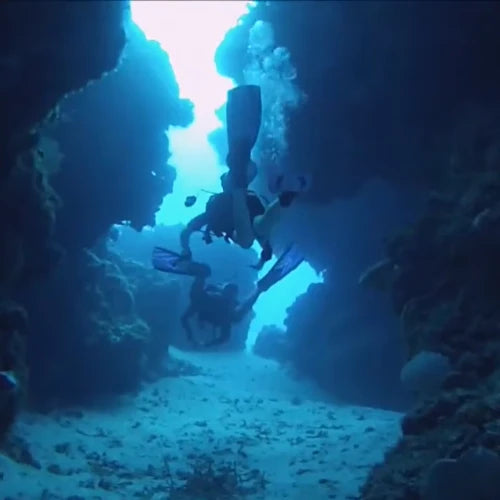
Like neighboring Palancar reefs, this site is primarily about coral architecture rather than heavy fish density. Palancar Bricks features separated coral towers, cliff-like structures, and sandy channels in between. The layout creates a varied dive profile that works well as a multi-level drift dive within typical Cozumel scuba diving conditions.
Although the standard depth range is 50 to 90 feet, divers can descend deeper along the outer slope if conditions and certification allow. As with many of the best dive sites in Cozumel, depth choice determines difficulty and gas management requirements.
Site Overview & Conditions
Depth Range: 50–90 feet (15–27 meters)
Typical Profile: Multi-level drift dive
Experience Level: Intermediate; advanced if exceeding 90 feet
Current: Moderate; can increase along the outer reef edge
Visibility: Commonly 80–100+ feet
Entry Style: Boat entry; negative or standard giant stride depending on current
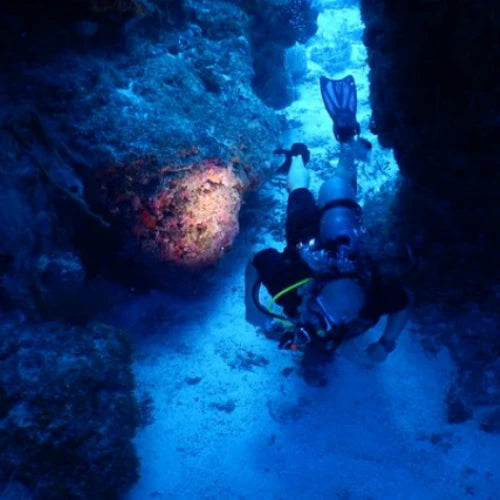
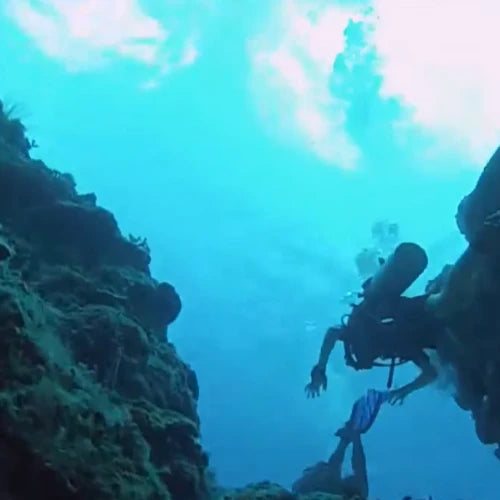
Palancar Bricks is not a continuous wall. Instead, it consists of distinct coral towers and cliff sections separated by sandy areas. These sand channels create natural transitions between reef structures and allow for gradual ascents toward the end of the dive.
The reef slopes outward toward deeper water, with ledges and undercuts near the sand line. Most dives begin along the mid-slope and gradually work upward, finishing on the shallower reef top around 20–30 feet.
Currents are typical of southern Cozumel dive sites—generally steady but manageable. However, current strength can vary by day and depth. Divers should maintain neutral buoyancy and streamlined positioning to avoid coral contact, especially when moving between towers in moving water.
Key Features
- Scattered red bricks from a mid-20th-century barge accident
- Separate coral towers and cliff formations
- Sandy channels between reef structures
- Ledges and undercuts near the sand line
- Gradual reef slope suitable for multi-level profiles
The brick fragments are weathered and dispersed, forming part of the seafloor landscape rather than a concentrated wreck site. The main visual attraction remains the coral growth and sponge coverage across towers and buttresses.
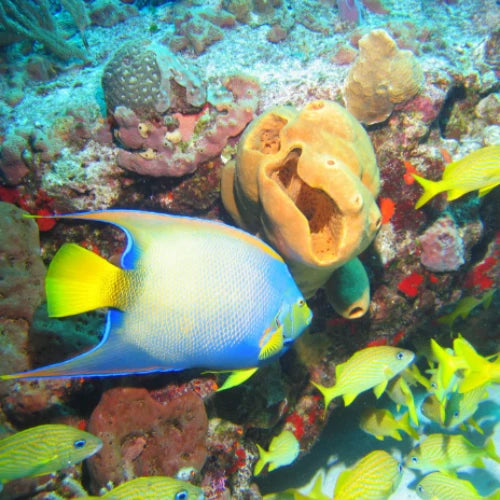
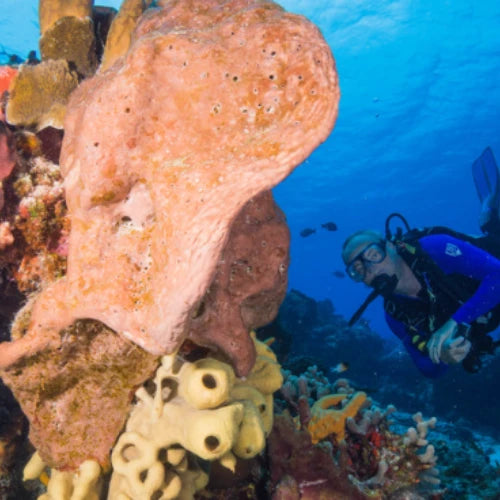
Hard corals dominate the upper reef, particularly lettuce and finger coral where smaller reef species shelter. Large sponges add vertical color and texture to the reef face.
Dive Experience & Safety Considerations
Difficulty Level: Intermediate minimum.
Who Should Dive Palancar Bricks:
- Certified intermediate divers
- Divers comfortable in moderate drift conditions
- Those comfortable in the 60–90 foot range
- Divers building experience within the Palancar reef system
Who Should Not Dive This Site:
- Newly certified divers without drift experience
- Divers uncomfortable in current
- Divers with high air consumption on deeper profiles
- Anyone lacking consistent buoyancy control near reef structure
This Palancar Bricks drift dive requires awareness when moving between reef towers and sandy channels. It is easy for groups to spread out if some divers stop to explore ledges while others continue drifting.
Because depth can gradually increase along the outer slope, divers must monitor their computers closely. Conservative depth control will extend bottom time and reduce nitrogen loading, especially on repetitive dive days.
When exploring ledges close to the sand, maintain proper trim and avoid silting. Many marine species shelter in these areas, and careless finning can reduce visibility for the group.
Marine Life Highlights
Common:
- Damselfish
- Grouper and Coney
- Bar Jacks
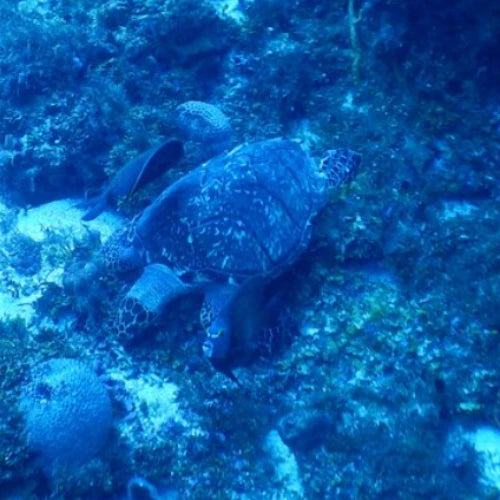
- Turtles
Occasional:
- Barracuda
- Creole Wrasse
- Trumpetfish
- Hamlets
- Hawkfish
- Nurse Sharks
- Black Groupers
- Green Morays
Rare:
- Caribbean Reef Sharks
- Eagle Rays
In sandy areas, large Southern Stingrays are often seen resting or moving slowly along the bottom, sometimes accompanied by Bar Jacks. Under ledges near the sand line, divers may encounter Nurse Sharks or large Green Moray Eels.
Careful inspection of lettuce and finger coral near the reef top may reveal Hamlets or juvenile Spanish Hogfish. As with all Cozumel scuba diving, marine life sightings vary daily.
Why Dive This Site
- Scattered red brick remnants from a 1950s barge incident
- Tower-and-channel reef layout
- Consistent turtle sightings
- Opportunities to observe stingrays in sandy transitions
- Manageable intermediate depth range
When current is moderate and visibility is high, the separated reef structures create strong contrast between coral towers and open sand, offering wide-angle photographic opportunities.
Among the best dive sites in Cozumel for structured drift diving at moderate depth, Palancar Bricks provides variety without the deeper commitments of neighboring Palancar sections.
Best For
- Intermediate drift divers
- Divers seeking 50–90 ft reef dives
- Turtle and stingray sightings
- Underwater photographers
- Divers progressing within southern Cozumel dive sites
Planning & Safety Notes
Plan your dive to begin at mid-depth and gradually ascend across reef towers to maximize bottom time. Avoid descending deeper along the outer slope unless planned and within certification limits.
Pay particular attention to buoyancy when inspecting ledges near sandy areas, as silting can reduce visibility quickly.
If you are looking for a more continuous reef structure with larger swim-through networks within the same southern region, Palancar Horseshoe offers a slightly different architectural layout while maintaining a similar depth profile.
FAQ
Is Palancar Bricks a wreck dive?
No. The scattered bricks are remnants of a capsized barge, but this is not a wreck dive site.
Is Palancar Bricks suitable for beginners?
It is better suited to intermediate divers due to depth and drift conditions.
Are sharks common at Palancar Bricks?
Caribbean Reef Sharks are occasionally seen, but sightings are not guaranteed.