Palancar Horseshoe Reef Cozumel Dive Site
Overview
Palancar Horseshoe is a structurally impressive drift dive within the southern Palancar reef system, recognized for its wide, natural U-shaped amphitheater that gives the site its name. In calm surface conditions, the horseshoe formation can often be identified from above, marking one of the more visually distinct reef contours among Cozumel dive sites.
This site is typically classified as an intermediate dive, though depth choice can elevate it into an advanced profile. While the standard depth range is approximately 50 to 90 feet, divers can descend deeper along the outer slope if conditions and gas planning allow. Most dives are conducted as multi-level drift dives, gradually working up the reef and finishing near 20–30 feet on top of the coral structure.
As with many of the best dive sites in Cozumel, the primary attraction here is not sheer fish density but reef architecture. Palancar Horseshoe is a coral-formation dive, where scale, relief, and swim-through structure define the experience.
Site Overview & Conditions
Depth Range: 50–90 feet (15–27 meters)
Typical Profile: Multi-level drift dive
Experience Level: Intermediate; advanced if exceeding 90 feet
Current: Moderate; can strengthen along the outer slope
Visibility: Typically 80–100+ feet in stable conditions
Entry Style: Boat entry; negative or standard giant stride depending on current
The reef slopes outward toward a pronounced edge with a convoluted lip. From the deeper starting point, divers drift along tall coral towers and descend briefly into gullies and sand channels before gradually ascending toward the top reef.
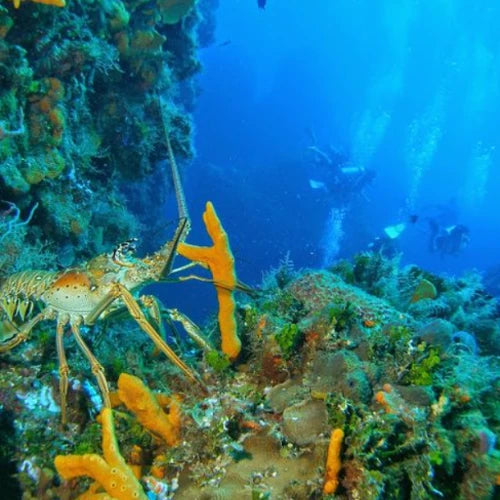
The amphitheater-like horseshoe formation creates a broad, semi-enclosed section of reef structure. Within this curve, divers encounter coral buttresses, deep fissures running beneath coral heads, swim-through corridors, and narrow canyons.
Currents typically push divers along the reef face in classic Cozumel scuba diving fashion. While generally manageable for intermediate divers, current strength can vary by day and by depth. Divers must maintain strong buoyancy control to avoid contact with delicate coral formations.
Because depth can increase quickly along sand slopes, consistent monitoring of dive computers is essential.
Key Features
- Large U-shaped amphitheater reef formation
- Tall spires and coral towers
- Deep coral fissures
- Multiple open swim-throughs with natural light
- Sand slopes dropping into deeper blue water
The swim-throughs are not overhead cave environments but do require careful trim and buoyancy control. Natural light remains visible, and exits are typically wide and accessible.
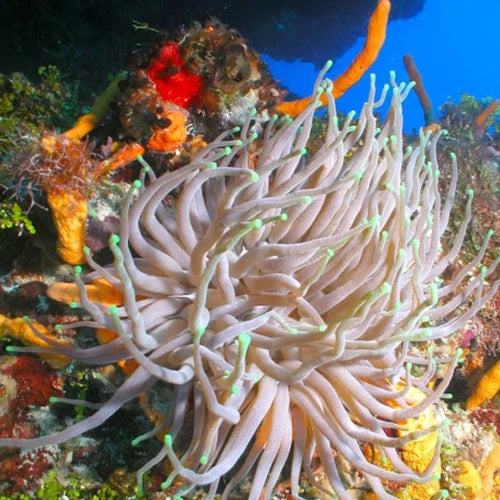
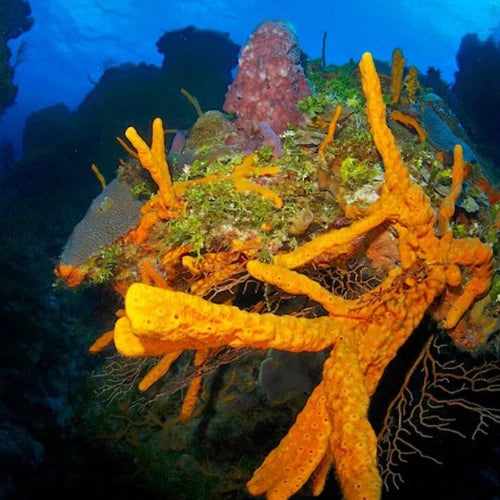
Hard corals dominate the reef top, especially lettuce and finger coral formations where smaller reef species shelter. Large sponges add color and vertical texture along the slope.
Compared to some other Cozumel dive sites, fish density here is moderate. The emphasis is on coral structure rather than schooling pelagics.
Dive Experience & Safety Considerations
Difficulty Level: Intermediate minimum.
Who Should Dive Palancar Horseshoe:
- Certified intermediate divers comfortable in moderate current
- Divers with prior drift dive experience
- Those comfortable in the 60–90 foot depth range
- Photographers with strong buoyancy control
Who Should Not Dive This Site:
- Newly certified divers without drift experience
- Divers uncomfortable with current
- Divers who struggle with air consumption at depth
- Anyone lacking consistent buoyancy control in swim-throughs
This Palancar Horseshoe drift dive requires attention to group positioning. Because of the amphitheater shape, divers can become separated if some enter swim-throughs while others remain outside. Maintain visual contact with your guide and avoid stopping abruptly in current.
While the reef allows deeper descents beyond 90 feet, doing so significantly reduces bottom time and increases nitrogen loading. Conservative dive planning is strongly advised, especially on multi-dive days.
As with all Cozumel scuba diving, delayed surface marker buoy (DSMB) deployment should be practiced and understood before ascent.
Marine Life Highlights
Common:
- Grunts and Snappers
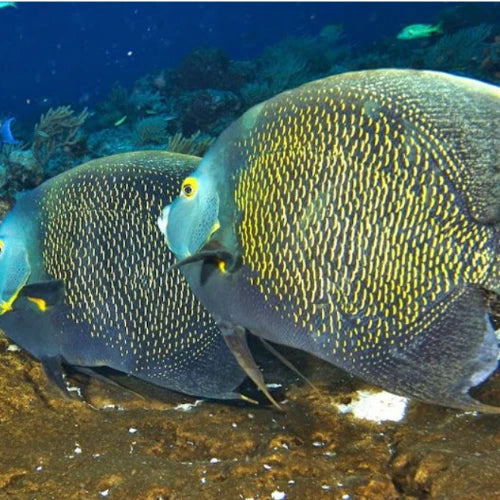
- Reef fish along coral towers
Occasional:
- Damselfish
- Bar Jacks
- Parrotfish
- Turtles
- Nurse Sharks
Rare:
- Barracuda
- Grouper and Coney
- Creole Wrasse
- Reef Sharks
- Hamlets and Hawkfish
- Spotted Eagle Rays
- Black Groupers
- Octopus
- Green Morays
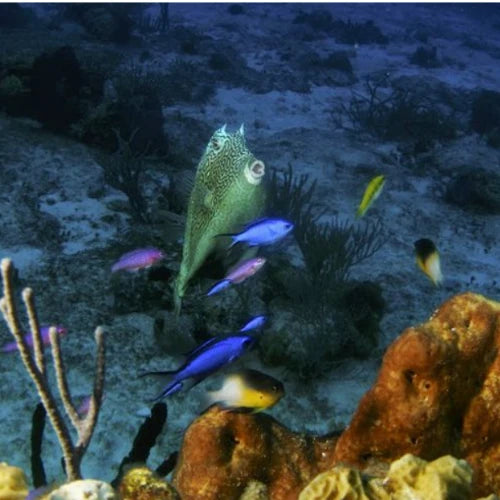
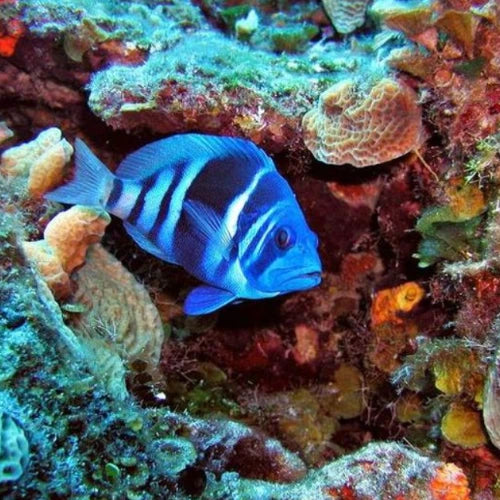
Careful inspection of lettuce and finger coral near the reef top may reveal Butter, Indigo, or Shy Hamlet species, as well as Red Spotted Hawkfish.
Why Dive This Site
Palancar Horseshoe offers one of the more visually recognizable reef contours among the best dive sites in Cozumel.
- Large natural amphitheater formation
- Balanced depth profile for extended multi-level diving
- Numerous swim-through options
- Strong coral architecture and sponge growth
When current is moderate and visibility is high, the scale of the reef becomes especially impressive. The curved formation creates dynamic light angles and wide perspectives for underwater photography.
For divers exploring southern Cozumel dive sites, this is a strong choice for those seeking reef structure without committing to the deeper profiles of neighboring sites.
Best For
- Intermediate drift divers
- Divers seeking 50–90 ft depth range dives
- Underwater photographers
- Repeat visitors exploring the Palancar reef system
- Divers building experience toward deeper Palancar sites
Planning & Safety Notes
Begin your dive slightly deeper only if air consumption and comfort level support it. Plan to ascend gradually along the slope and finish on the shallow reef top to maximize bottom time and safety margin.
Because swim-throughs can slow portions of the group, maintain close proximity to your dive leader and avoid entering narrow passages without clear exits.
If you are considering a deeper and more cavern-dense Palancar profile after this dive, Palancar Caves is a logical next step once you are fully comfortable managing depth and current together.
FAQ
Is Palancar Horseshoe a deep dive?
It can be. The typical range is 50–90 feet, but divers may descend deeper depending on planning and certification.
Is this site good for beginners?
It is better suited for intermediate divers due to current and depth.
Are the swim-throughs true caves?
No. They are open reef swim-throughs with visible light and exits, not technical overhead cave environments.