Dive Site
Paso del Cedral Reef Cozumel Dive Site
Paso de Cedral is recognized as one of the classic southern Cozumel dive sites within the marine park. The site combines a gentle wall structure with broad sloping reef hills and serves as a reliable intermediate drift dive offering consistent marine life and manageable depths.
Dive Profile
- Depth
- 45–100 ft
- Skill level
- Intermediate
- Entry type
- Boat
- Coast
- West
Where It Sits
Sits between Santa Rosa Wall to the north and La Francesa to the south along Cozumel's west coast reef line. Current runs south to north, so drifts here typically enter toward La Francesa and finish toward Santa Rosa Wall.
Overview
Paso del Cedral Reef Cozumel Dive Site
Overview
Paso de Cedral is one of the classic southern Cozumel dive sites inside the marine park, known for its combination of gentle wall structure and broad sloping reef hills. It is widely regarded as a reliable intermediate drift dive within the landscape of Cozumel dive sites, offering consistent marine life encounters and manageable depths.
This site can be dived either as a wall dive along the Cedral wall or as a reef dive closer to shore over rolling coral-covered hills. Because of its moderate depth range and typically steady current, Paso de Cedral fits comfortably into many Cozumel scuba diving itineraries, especially for divers looking for structure, marine life density, and good photographic conditions without extreme depth exposure.
Paso de Cedral is also valued for its flexibility. Dive plans can be adjusted based on current strength, group experience, and gas management, making it one of the best dive sites in Cozumel for intermediate divers seeking both reef and wall features in a single location.
Site Overview & Conditions
Depth Range: 50–60 feet (15–18 meters)
Experience Level: Intermediate
Current: Usually moderate drift
Visibility: Typically very good, often 80–100+ feet depending on seasonal conditions
Entry Style: Boat entry with controlled or negative descent depending on current
Location: Southern Cozumel Marine Park
Paso de Cedral is primarily conducted as a drift dive. Currents are generally moderate, allowing divers to move steadily along the reef without excessive exertion. However, surge and current intensity can vary, and divers must be comfortable maintaining buoyancy and position in moving water.
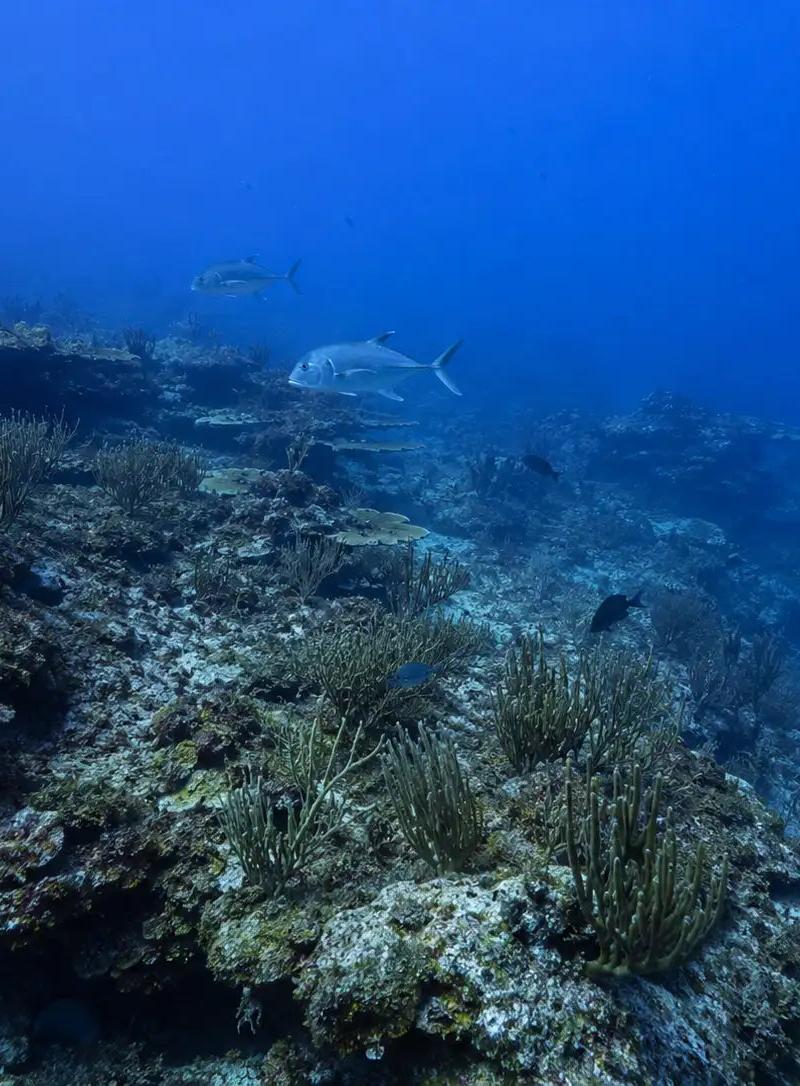
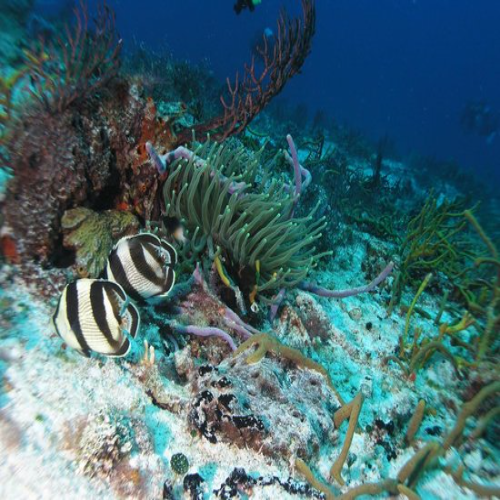
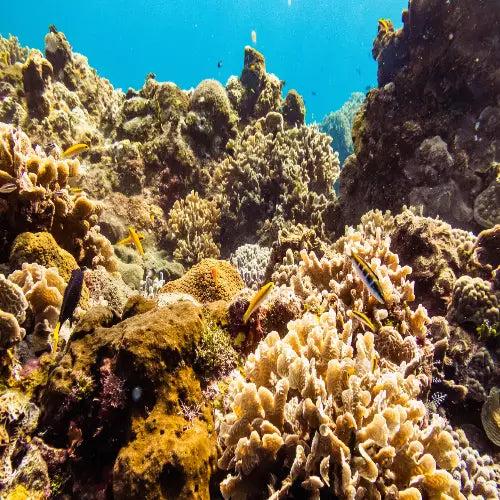
The reef structure transitions between wall sections and expansive sloping hills. The non-wall portion consists of approximately a mile of gently rolling reef mounds covered in sponges and hard corals. Sandy channels separate coral structures and often host additional marine life.
Because of the moderate depth profile, Nitrox is often used to extend no-decompression time, particularly when combining sections of Cedral wall with adjacent reef systems.
Key Features
Sloping Reef Hills: The hallmark of Paso de Cedral reef is its series of coral-covered mounds. These “Mounds of Cedral,” sometimes referred to locally as the Mounds of Delila, are three prominent hills densely populated with life. The terrain creates natural swim paths, overhangs, and ledges.
Wall Option: The Cedral wall section provides a vertical coral face with sponges and crevices, offering a different structural experience compared to the sloping reef.
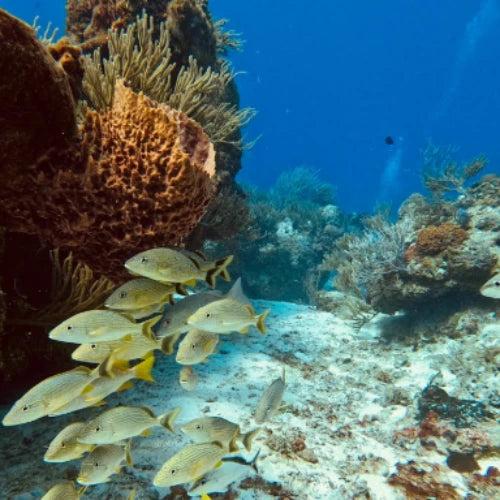
Sponge and Coral Coverage: Rope sponges, barrel sponges, and varied hard corals dominate the reef slopes. These structures provide habitat for smaller cryptic species as well as larger cruising predators.
Sandy Bottom Areas: Between reef sections, sand patches host stingrays, urchins, blennies, and other bottom-dwelling organisms. Divers should maintain proper buoyancy to avoid disturbing sediment.
Dive Experience & Safety Considerations
Difficulty Level: Intermediate
Paso de Cedral is best suited for certified divers who are comfortable with drift diving and maintaining buoyancy control in moderate current.
Suitable For:
- Intermediate divers with prior drift dive experience
- Underwater photographers seeking reef structure and schooling fish
- Nitrox-certified divers wanting extended bottom time
- Divers looking for a balanced wall and reef combination dive
Not Ideal For:
- Newly certified divers without drift experience
- Divers with inconsistent buoyancy control
- Those uncomfortable with current-based entries and exits
As with all Cozumel drift dives, maintaining visual contact with your guide and buddy is critical. Moderate current can cause group spread if divers stop frequently for photography without signaling. Avoid contact with living coral and monitor depth, gas supply, and no-decompression limits carefully.
Even moderate current can create horizontal separation. Divers should stay slightly below or level with the guide when appropriate and be prepared to deploy a surface marker buoy if required by operator protocol.
Marine Life Highlights
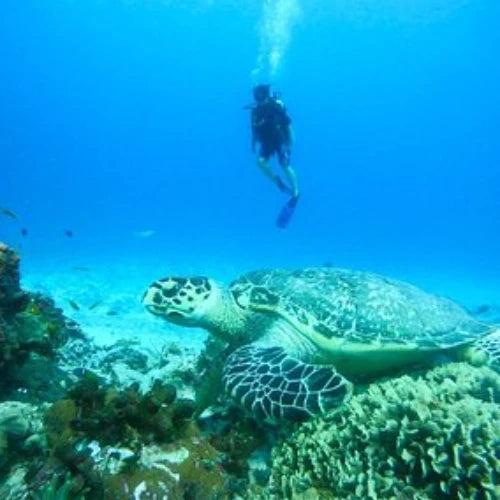
Common: Damselfish, angelfish, parrotfish (including large individuals), grunts and snappers in large schools, grouper and coney, black groupers, and sea turtles.
Occasional: Barracuda, scrawled filefish, spotted drum, spotted moray eels, large green moray eels, nurse sharks, butterflyfish, scorpionfish, and splendid toadfish.
Rare: Seahorses and eagle rays.
A careful inspection of rope sponges may reveal shy slender filefish. Over sandy sections, southern stingrays are frequently encountered along with blennies and urchins.
Why Dive Paso de Cedral
Paso de Cedral offers a balanced representation of Cozumel scuba diving: steady drift, healthy reef structure, schooling fish, and moderate depths that allow divers to focus on marine life rather than decompression concerns.
Its adaptability is one of its strengths. Divers can plan wall-focused profiles, sloping reef photography dives, Nitrox-assisted extended exploration, or late afternoon dives when natural light enhances color and contrast.
When currents are moderate and visibility is high, this site stands out among Cozumel dive sites for its combination of reef hills, structural diversity, and consistent fish density.
Best For
- Intermediate drift divers
- Underwater photographers
- Nitrox-certified divers
- Divers seeking reef hills rather than sheer vertical walls
- Marine life diversity at moderate depths
Planning & Safety Notes
Paso de Cedral is typically scheduled as a second dive due to its moderate depth range, but it can also be combined with nearby wall systems depending on conditions. Dive plans should account for current strength, group air consumption, and photographic stop frequency.
If you are looking for a deeper wall experience with stronger vertical structure nearby, consider Santa Rosa Wall as a complementary dive in the same southern marine park region.
FAQ
Is Paso de Cedral suitable for beginners?
It is generally recommended for intermediate divers due to moderate currents and drift conditions.
Can Paso de Cedral be dived as a wall dive?
Yes. It can be conducted either along the Cedral wall or over the sloping reef hills.
Is Nitrox recommended?
Nitrox is beneficial for extending bottom time within the 50–60 ft range, especially when combining reef sections.
Is this one of the best dive sites in Cozumel for photography?
Yes. The reef hills, schooling fish, and late afternoon light make it well suited for underwater photography.
Marine Life Commonly Seen Here
- Brain Coral
- Flamingo Tongue Snail
- Green Moray
- Hawksbill Turtle
- Nassau Grouper
- Pillar Coral
- Queen Angelfish
- Queen Triggerfish
- Sea Fan
- Sea Plume
Each entry links to a species page with identification notes, depth and season, and the look-alikes divers most often confuse it with. The full list is in the Cozumel marine life guide.
What To Expect
- • 45–100 ft depending on how far down the slope you drift, so it takes the first tank
- • A long reef strip that boats enter at different points, so no two dives are identical
- • Known for large green morays and big southern stingrays on the sand
- • Mild current for the depth, which keeps the dive relaxed
- • Barrel sponges and seahorses along the shallower section
Reviews
Reviews Coming Soon.
Frequently Asked Questions
Is Paso de Cedral suitable for beginners?
Can Paso de Cedral be dived as a wall dive?
Is Nitrox recommended?
Is this one of the best dive sites in Cozumel for photography?
Plan Your Dive Trip
Tell us your dates, certification level and what you want to see — we'll match you with the right dive site.
Plan Your Dive Trip