Punta Tunich Reef – Cozumel Dive Site Guide
Overview
Tunich Reef is a mid-depth drift reef located in the southern sector of Cozumel, approximately five minutes north of Mr. Sancho’s by boat. It is commonly scheduled as a second dive and is considered one of the dependable Cozumel dive sites for intermediate divers due to its moderate currents, open reef structure, and predictable conditions.
Within the range of Cozumel scuba diving experiences, Tunich Reef offers a classic reef drift dive rather than a vertical wall profile. The site features a low-profile reef system composed of sloping coral heads and sponge-covered hills. Wide sightlines, gradual terrain transitions, and steady current flow make it a balanced and controlled drift dive when conditions remain moderate.
Site Overview & Conditions
Depth Range: 50–120 feet (15–37 meters)
Typical Working Depth: 60–85 feet for most dive plans
Current: Medium, steady drift
Visibility: Commonly 80–100+ feet, depending on conditions
Entry Style: Standard boat drop with controlled descent
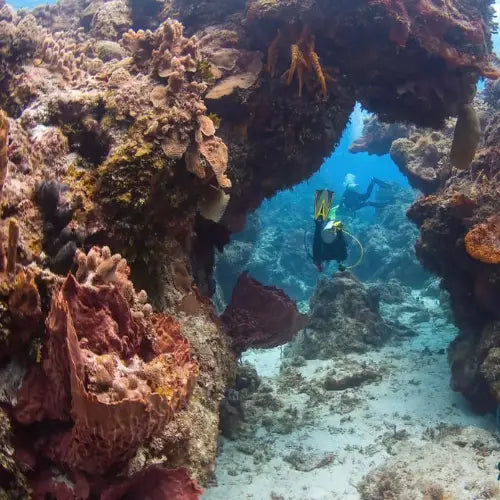
Tunich Reef sits on a gently sloping reef platform rather than a sheer wall. Reef heads rise approximately 10–20 feet above sandy bottom sections, forming rolling ridges and sponge-dominated hills. Dive profiles typically begin in the mid-depth range before gradually ascending to shallower reef sections as the drift progresses.
The consistent medium current supports strong sponge growth and keeps marine life active. Divers should expect to drift continuously throughout the dive and avoid attempts to hold position on the reef.
Key Features
Tunich Reef is especially recognized for its extensive sponge coverage and open reef terrain.
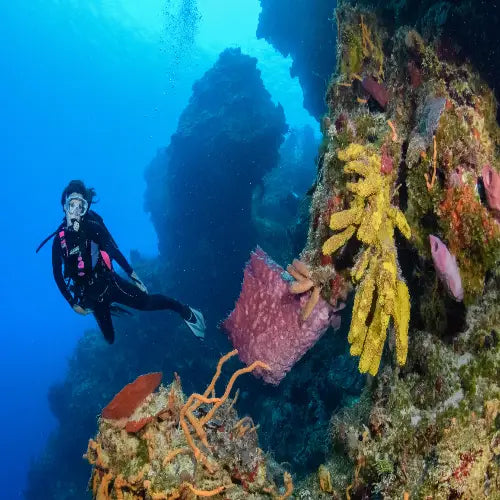
- Large barrel sponges
- Abundant rope sponges
- Low-profile coral heads
- Sloping sponge “hills”
- Sandy channels between reef ridges
Black feather hydroids are common throughout the reef. While visually striking, they can cause painful stings if touched, making precise buoyancy control important for diver safety.
Dive Experience & Safety Considerations
Recommended Level: Intermediate
Not Recommended For: Newly certified divers without drift experience
Tunich Reef is appropriate for divers comfortable managing moderate current while maintaining neutral buoyancy over sloping terrain. Although often completed as a second dive, the maximum depth of 120 feet requires careful depth monitoring and conservative air management.
Group cohesion is essential during this drift dive. Divers who fall behind may become separated quickly due to steady current flow. A clear pre-dive briefing, close proximity to the guide, and proper ascent procedures are important for safe completion of this site.
Environmental considerations include avoiding contact with black feather hydroids, fire coral, and sponge formations. Maintaining proper trim and distance protects both divers and reef health.
Marine Life Highlights
Common:
- Damselfish
- Parrotfish
- Angelfish
- Grunts and snappers (schooling)
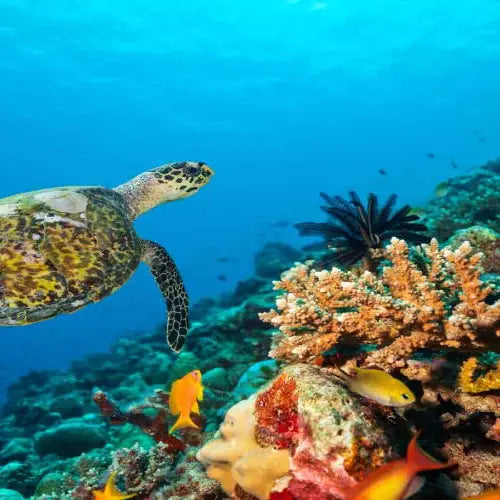
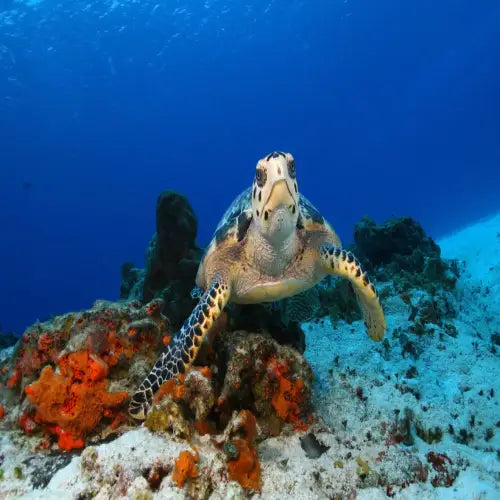
- Sea turtles
- Black groupers
Occasional:
- Barracuda
- Nurse sharks
- Green moray eels
- Spotted moray eels
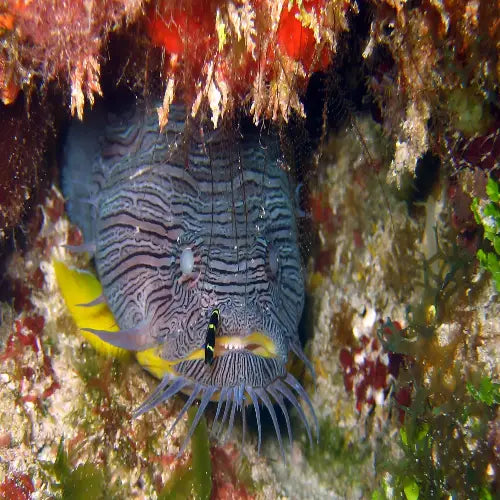
- Splendid toadfish
- Spotted drums
Rare:
- Eagle rays (seasonal)
- Seahorses
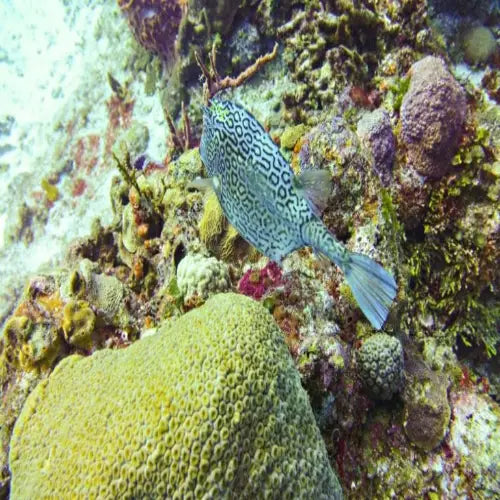
- Honeycombed cowfish
- Scorpionfish
Why Dive Tunich Reef
Tunich Reef offers a stable and consistent drift reef experience among the best dive sites in Cozumel for intermediate divers. Its healthy sponge hills, reliable turtle sightings, and open reef visibility make it particularly appealing for photographers and divers who prefer gradual terrain over steep walls.
When currents remain moderate and visibility is strong, this site provides a balanced example of southern Cozumel scuba diving conditions.
Best For
- Intermediate drift divers
- Second dives of the day
- Reef and sponge landscape photography
- Divers refining buoyancy in current
- Turtle and reef fish encounters
Planning & Safety Notes
Tunich Reef is best dived when currents are predicted to remain moderate. Divers should confirm maximum planned depth during the pre-dive briefing and maintain close positioning throughout the drift. Proper surface signaling procedures are important due to steady current flow at the surface.
Divers seeking a similar southern reef profile with comparable current but slightly more defined coral formations may also consider diving Palancar Gardens within the same region.
FAQ
Is Tunich Reef a wall dive?
No. Tunich Reef is a sloping reef system rather than a vertical wall.
Is Tunich Reef suitable for beginners?
It is better suited to intermediate divers due to moderate current and mid-depth profiles.
What depth should I expect at Tunich Reef?
The site ranges from 50–120 feet, though most dives remain between 60–85 feet.
What current conditions are typical?
Divers should expect a steady medium drift, though strength may vary depending on daily conditions.