PADI Open Water Certification In Cozumel
Every PADI course taught on the island, level by level.
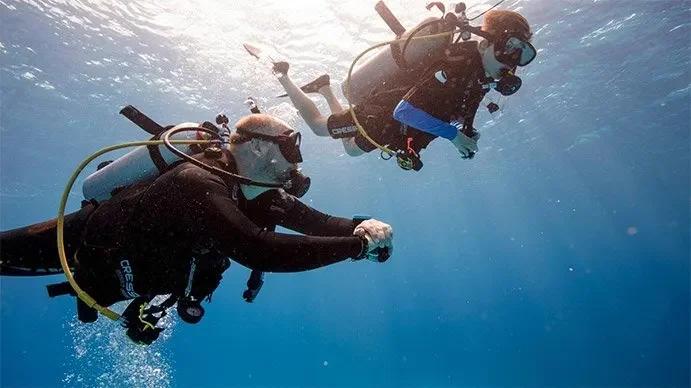
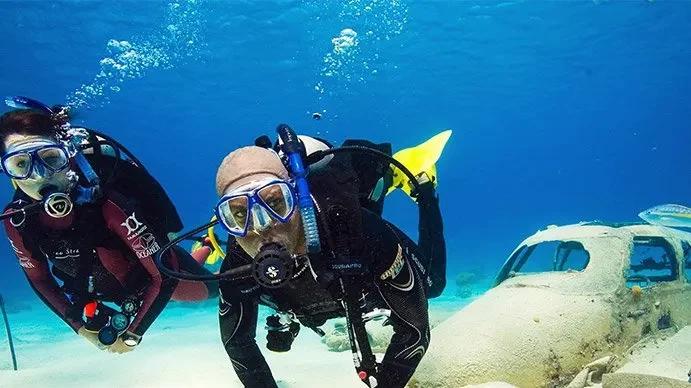
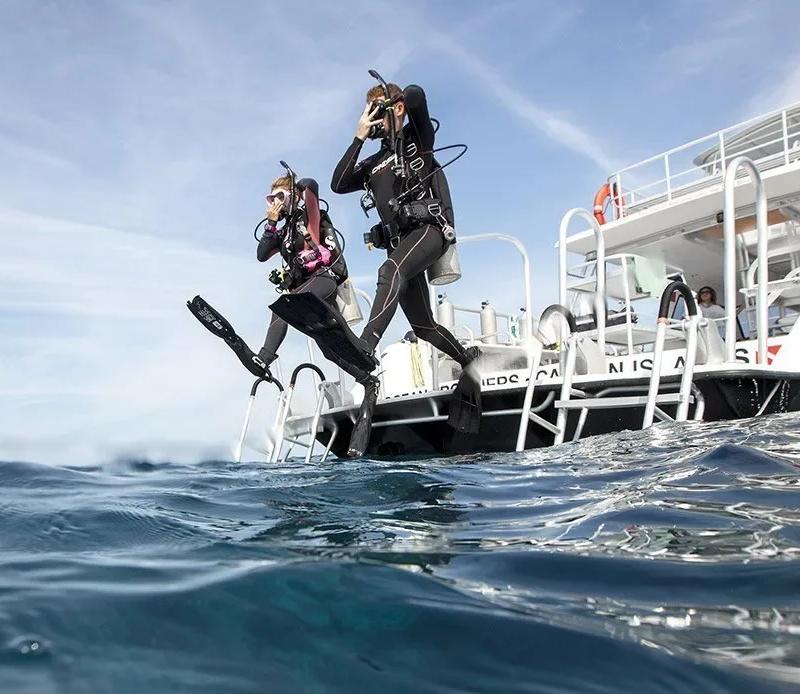
PADI Open Water certification in Cozumel takes three to four days, or closer to two and a half days in the water if you complete the theory as eLearning before you travel. It certifies you to dive to 18 metres with a buddy, anywhere in the world, for life. What makes it different here is the setting: you train on a drifting reef inside a national marine park, not in a quarry or a pool.
Cozumel is one of the busiest PADI training destinations in the Caribbean, and almost every shop on the island teaches at least part of the catalogue. That is good news for choice and bad news for deciding: the same course costs different amounts, runs over different numbers of days, and is taught in very different group sizes depending on who you walk in to.
This page is the map. What each course actually involves, how long it realistically takes here, and which ones suit the way Cozumel dives.
What Makes Training Here Different
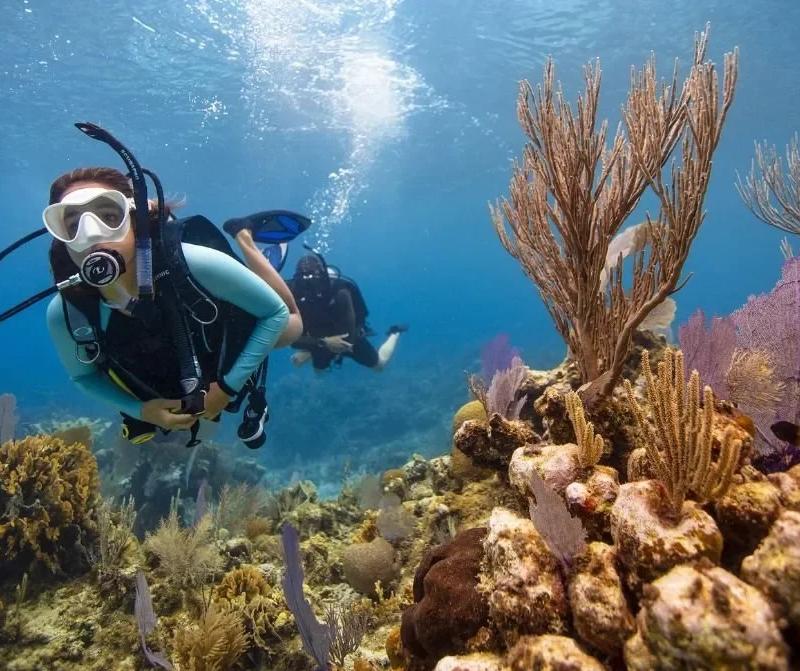
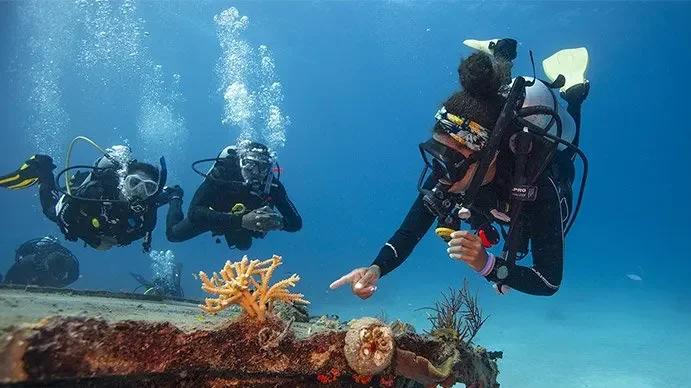
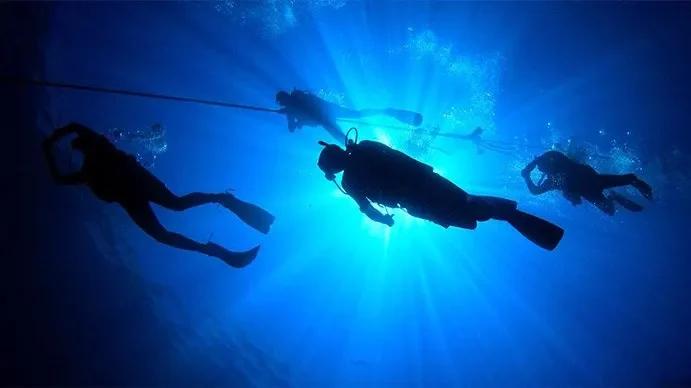
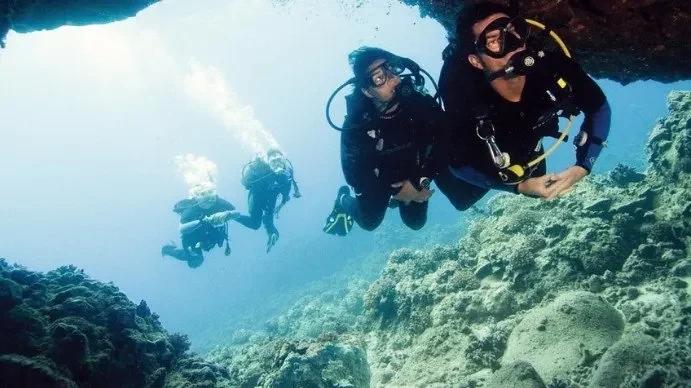
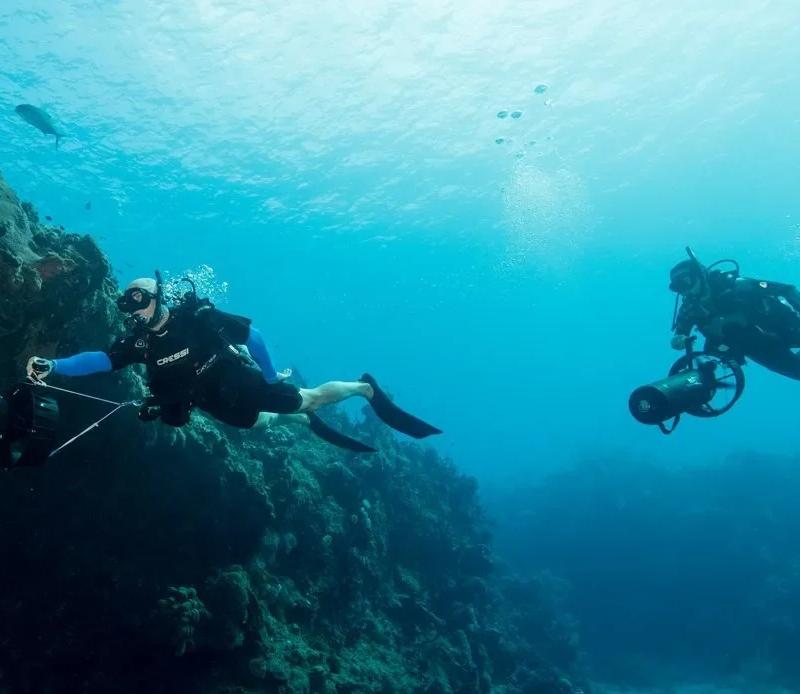
Cozumel is a drift destination. The current does most of the work, and you fly along the reef rather than swimming a route. For a new diver that is easier than it sounds — there is very little finning — but it does mean two things.
First, buoyancy matters earlier here than it does elsewhere. You are not kicking, so you have time to think about your position in the water, and instructors will spend more of your course on it than they might in a quarry.
Second, you will not be practising skills in a swimming pool for very long. Most training moves to the reef quickly, in warm, clear water, which is why people who learned here tend to describe it as one of the easier places to certify.
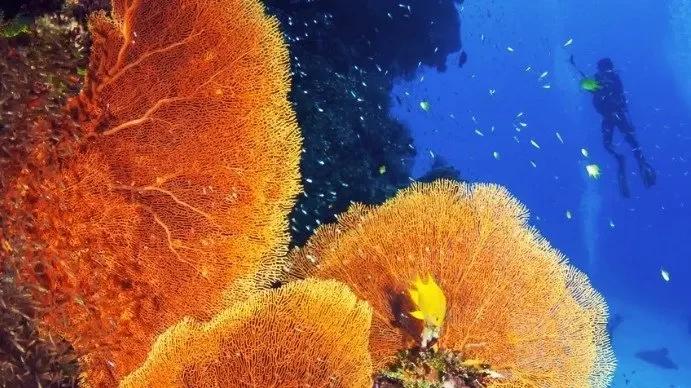
The reef is also a national marine park, so every course here includes park rules you will not meet everywhere: no gloves, no touching, and a park fee on every dive day.
Getting Your PADI Open Water Certification
Discover Scuba Diving is not a certification. It is a supervised first dive with an instructor, usually preceded by a short briefing and some shallow-water practice. If you are not sure you want to dive at all, this is the honest way to find out — and if you go on to certify afterwards, some shops credit the experience toward the course.
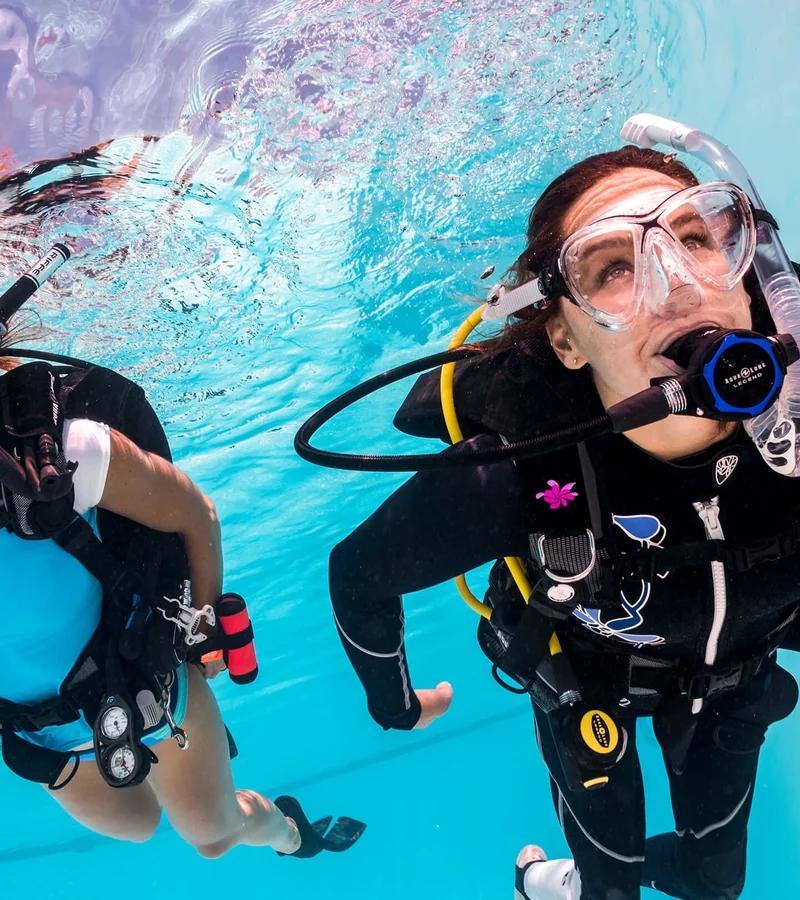
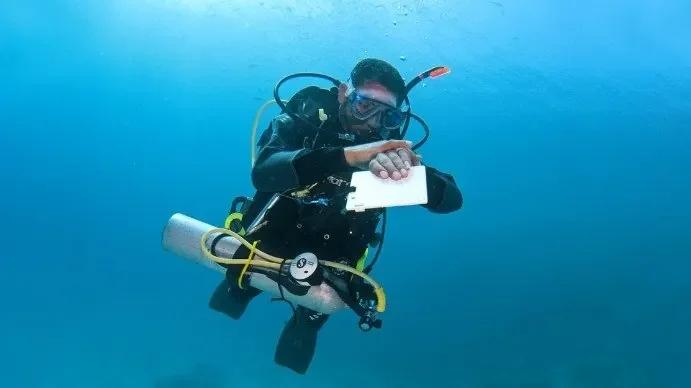
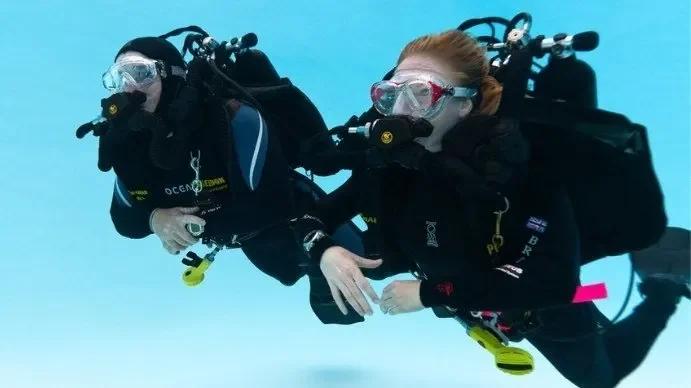
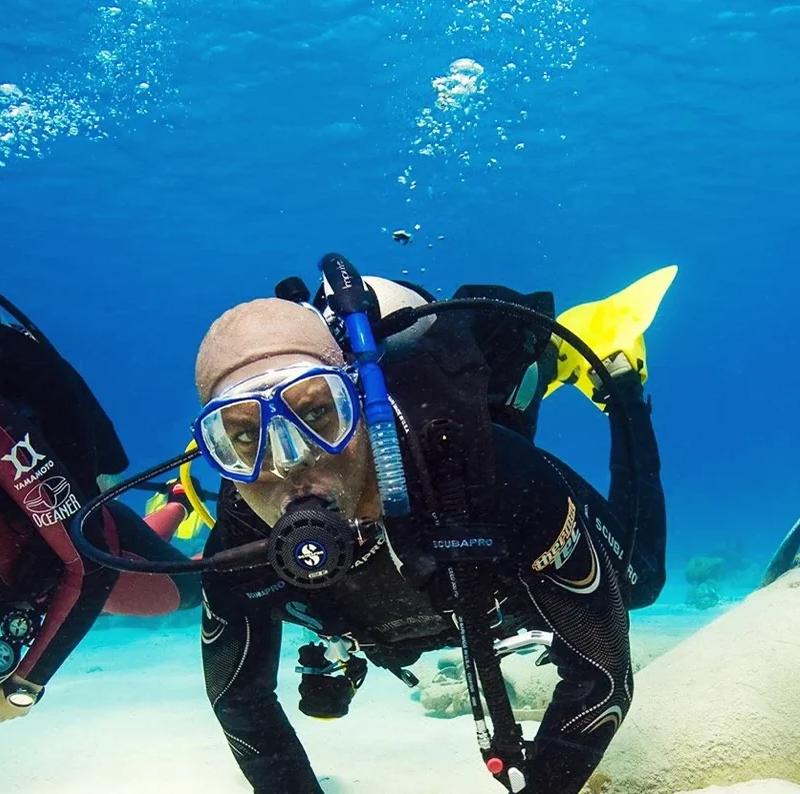
Open Water Diver is the certification most people mean when they say "getting certified". It is the licence to dive to 18 metres with a buddy, anywhere in the world, for life. Expect three to four days: knowledge development you can complete online before you travel, confined-water skills, and four open-water dives.
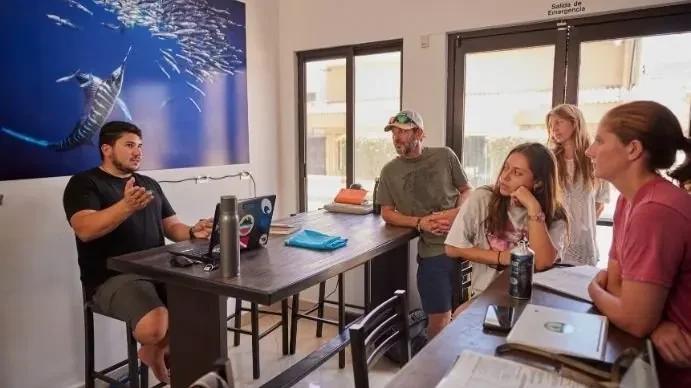
Doing the theory as eLearning before you arrive is the single biggest time saver. It turns a four-day course into something closer to two and a half days in the water, which matters a great deal on a week's holiday.
Scuba Diver is the shorter alternative — a subset of Open Water, limited to 12 metres and always with a professional. Useful if your time is genuinely tight, and it upgrades to full Open Water later.
Continuing Education
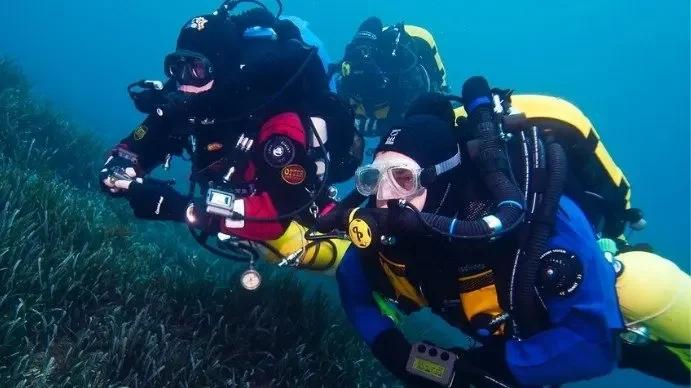
Advanced Open Water is five adventure dives rather than an exam, usually including deep and navigation. In Cozumel it is a natural next step, because the sites that people travel here for — the deeper walls in the south — sit past the Open Water limit.
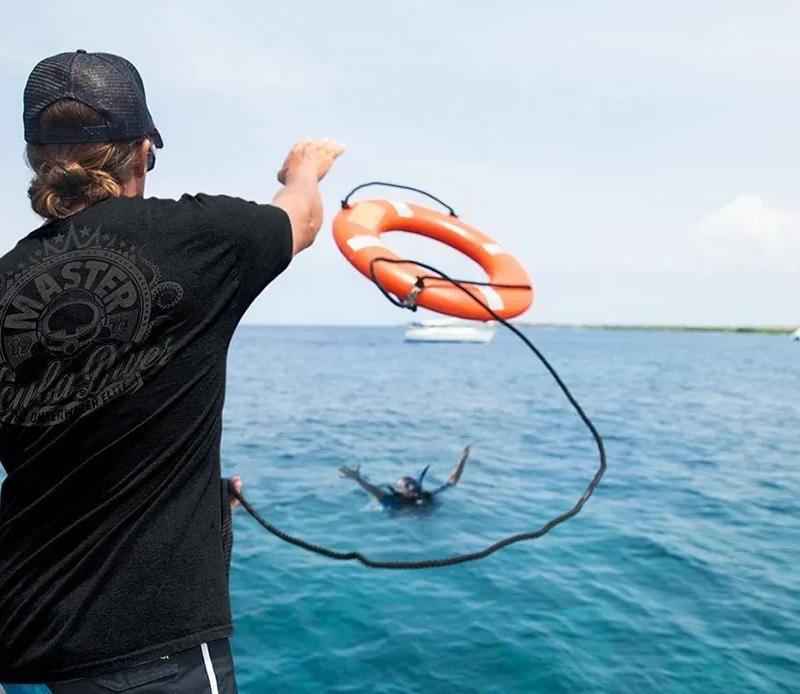
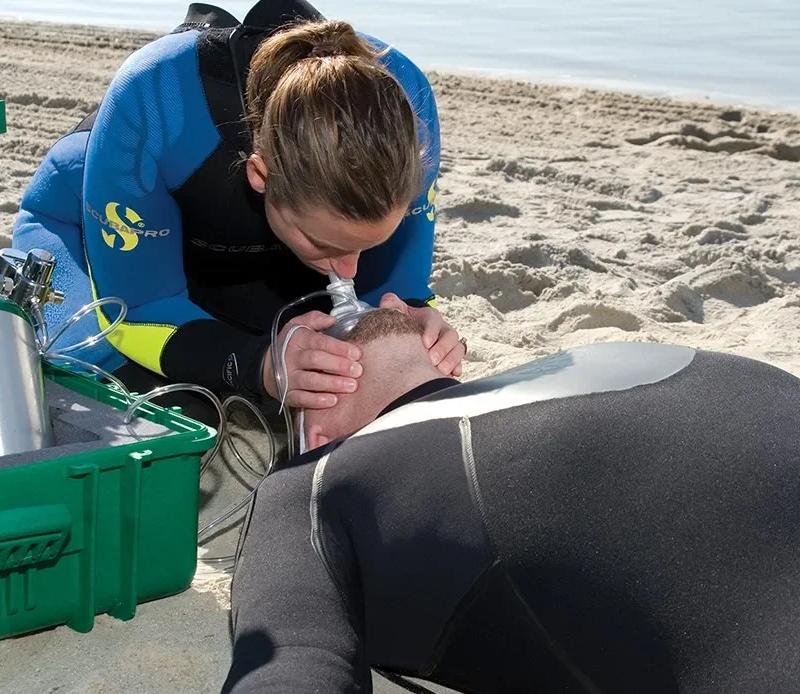
Rescue Diver is the course experienced divers most often describe as the one that changed how they dive. It is also the least glamorous and the most demanding, and it is a prerequisite for anything professional.
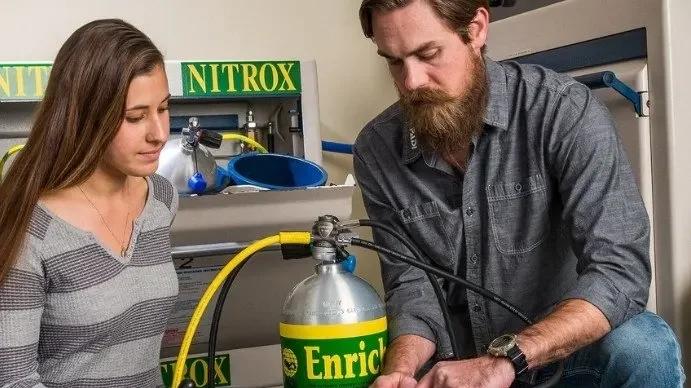
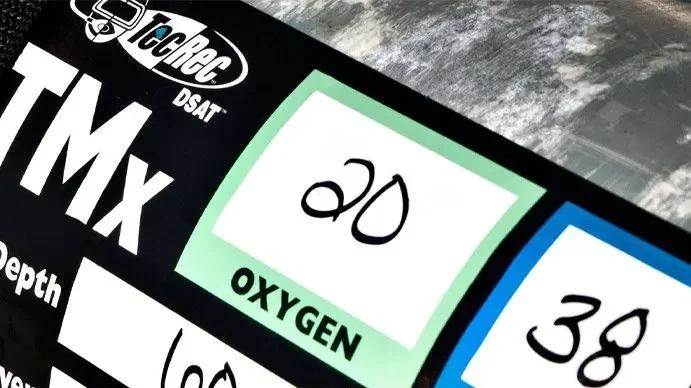
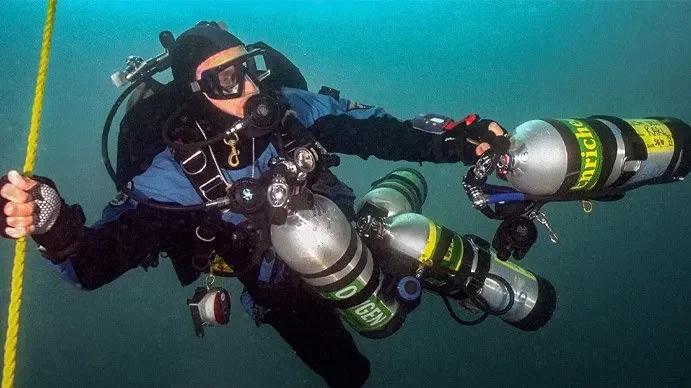
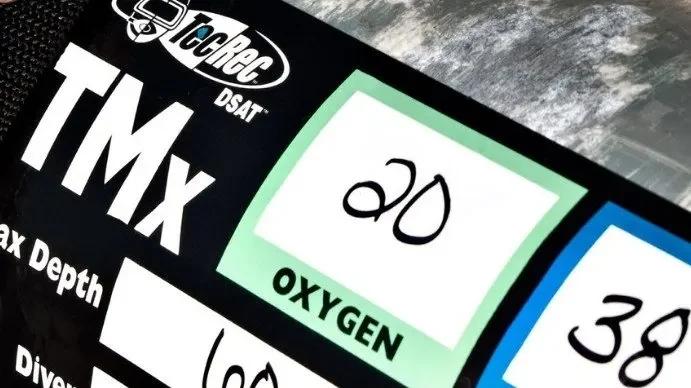
Enriched Air Nitrox is worth singling out for Cozumel specifically. Days here are commonly two or three dives with short surface intervals, and nitrox buys you more of them. It is a short course with no minimum dive count.
Beyond that sit the specialties — deep, wreck, drift, night, navigation, photography and others — most of which can be taken as standalone courses or bundled toward Master Scuba Diver.
Going Professional
Divemaster is the first professional rating, and it is a commitment rather than a course: weeks rather than days, and a genuine internship with a shop. Instructor Development follows it. Cozumel is a common place to do both, because the volume of diving means a candidate sees a lot of real situations quickly.
If you are considering it, the shop matters more than the agency. Ask how many candidates they run at once, who actually mentors you, and what you will be doing on a normal day.
Choosing Where To Train
The differences between shops matter far more than the differences between agencies. Group size, whether your instructor teaches you or hands you to an assistant, how many days they spread the course over, and what is included all vary enormously on this island.
For a straight comparison of the two agencies rather than the courses, see PADI vs SSI in Cozumel.
Frequently Asked Questions
What does the PADI Open Water certification in Cozumel cover?
It certifies you to dive to 18 metres with a buddy, anywhere in the world, with no expiry date. The course has three parts: knowledge development, which most people complete as eLearning before they travel; confined-water skills in a pool or a sheltered shallow area; and four open-water dives on the reef. In Cozumel those dives are drift dives inside the national marine park, so buoyancy and staying with your group get more attention during the course than they might elsewhere.
How long does it take to get PADI certified in Cozumel?
Open Water Diver typically takes three to four days. If you finish the theory as eLearning before you travel, most shops here can complete the in-water portion in two and a half to three days, which is the difference between losing half your holiday and losing a third of it.
Can I get certified in Cozumel as a visitor?
Yes. Certification is open to visitors, and a large share of the training on the island is done by people on holiday. You need to be able to swim, be comfortable in water, and complete a medical questionnaire. Some medical conditions require a doctor's sign-off before you can start, so read the questionnaire before you travel rather than on the morning of day one.
Where will I actually dive during a course?
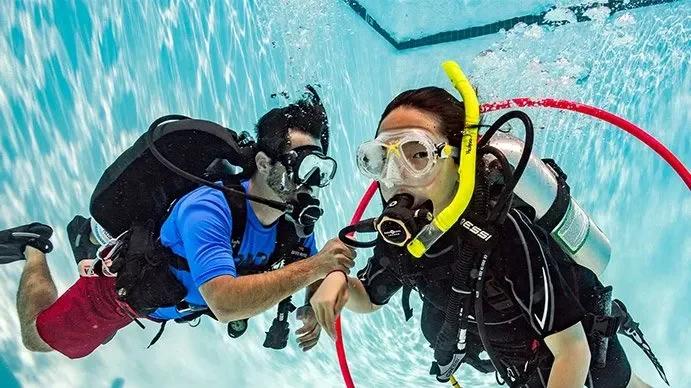
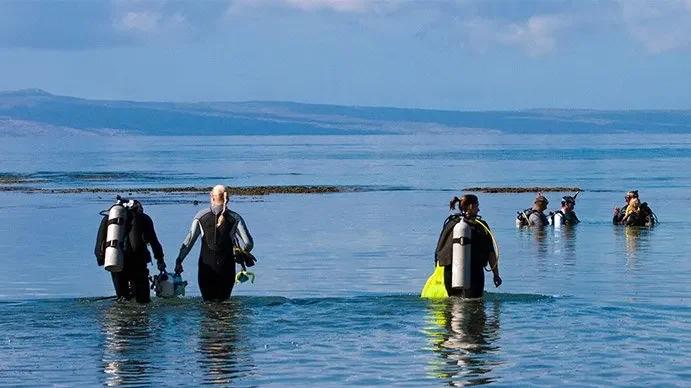
Confined-water skills are usually done in a pool or a sheltered shallow area, and the open-water dives are on the reef, generally on the calmer sites toward the north and center of the island rather than the deeper southern walls. Your exact sites depend on conditions on the day, which is normal and not a sign of a shop cutting corners.
Is Cozumel a good place to learn to dive?
For most people, yes — warm water, high visibility and very little finning. The one thing to know in advance is that it is a drift destination, so you will be moving with the current from the start. Some new divers love that immediately; a few find it disorienting for the first dive or two.
Do I need to bring my own gear to train?
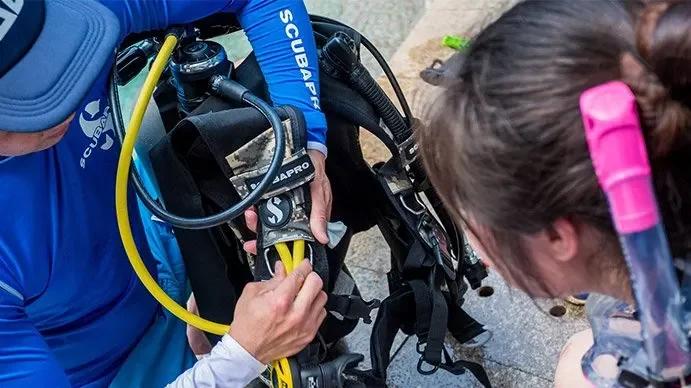
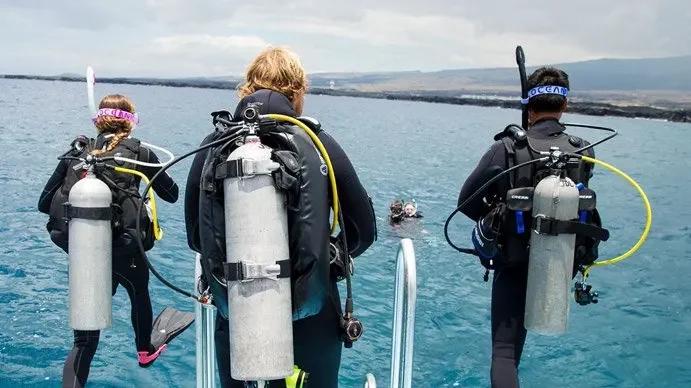
No. Course fees generally include rental equipment. Many divers bring their own mask, because a mask that fits is worth more than any other single piece of kit, and a leaking rental one is a genuinely miserable way to spend a course.
Is nitrox worth doing while I am here?
If you are diving several days in a row, very possibly. Cozumel days are often two or three dives with short surface intervals, and nitrox is aimed squarely at that pattern. It is a short course with no minimum number of dives required.