Cozumel Marine Life: Species Guide
A filterable species guide to Cozumel marine life — 53 species with identification, depth, season, the reefs they are found on, and the look-alikes divers confuse them with.
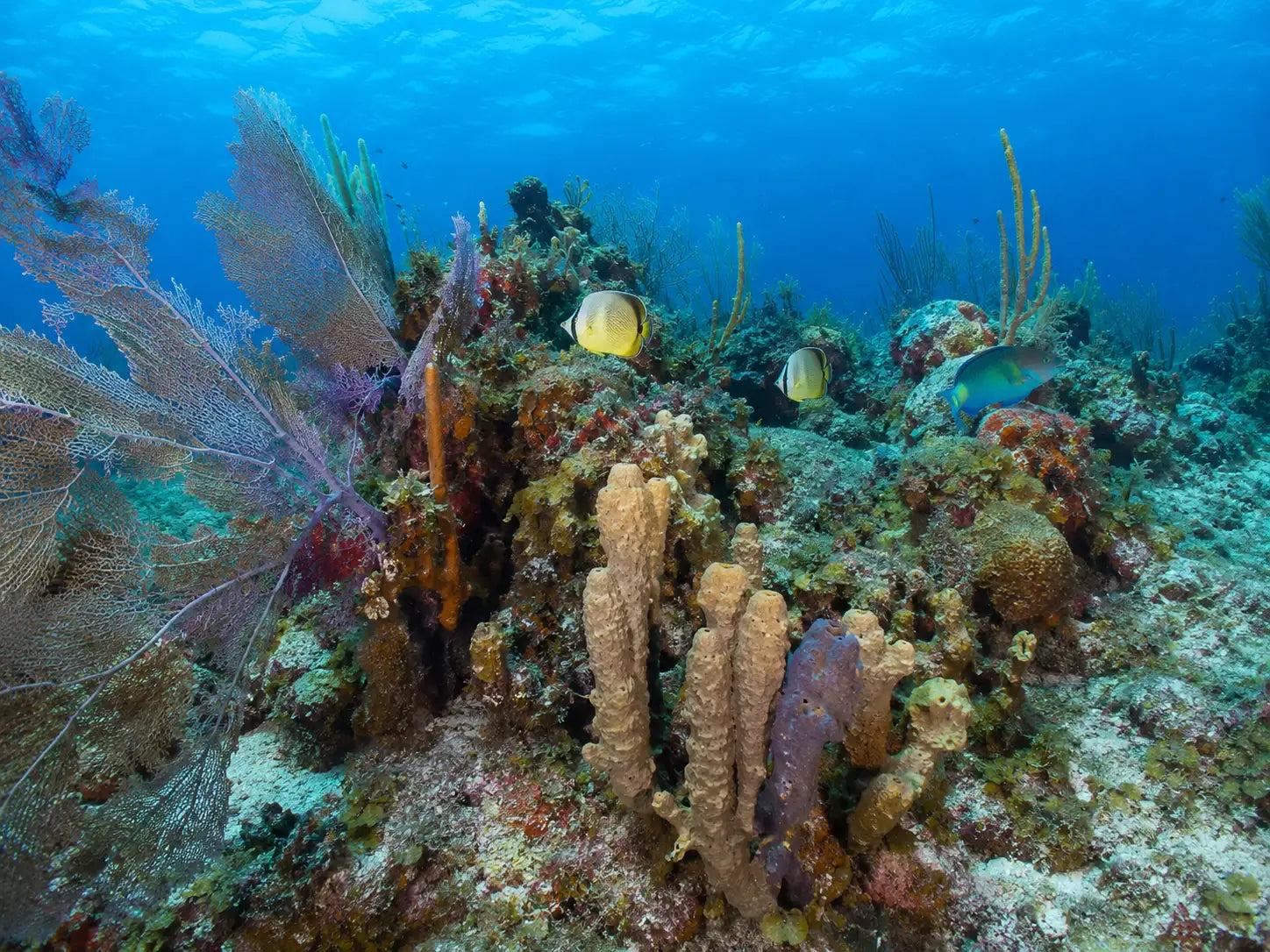
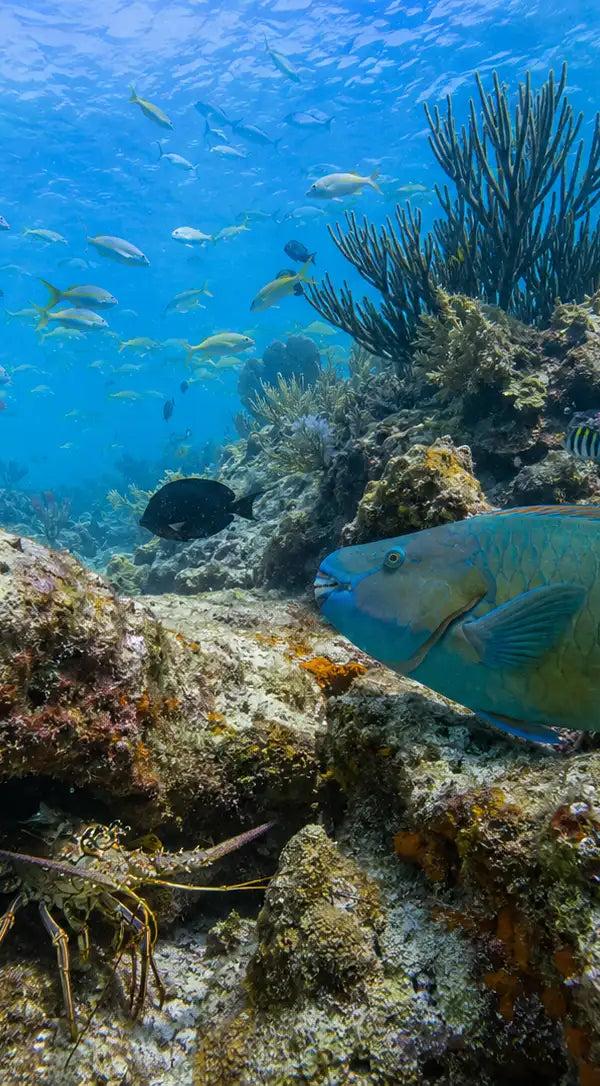
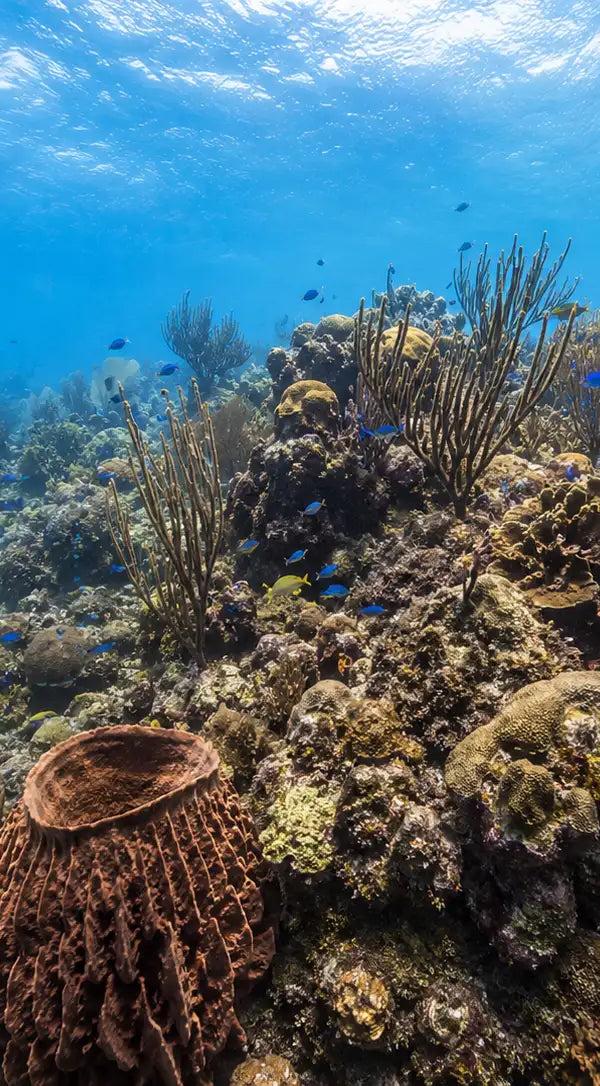
Cozumel sits on the Mesoamerican Barrier Reef, the second-largest reef system in the world, and the marine park that protects its western shore has been in place since 1996. Our complete guide to diving Cozumel covers the reefs these animals live on and how to dive them. That combination produces a species list far longer than most Caribbean islands can offer, and a reef where the animals are used to divers.
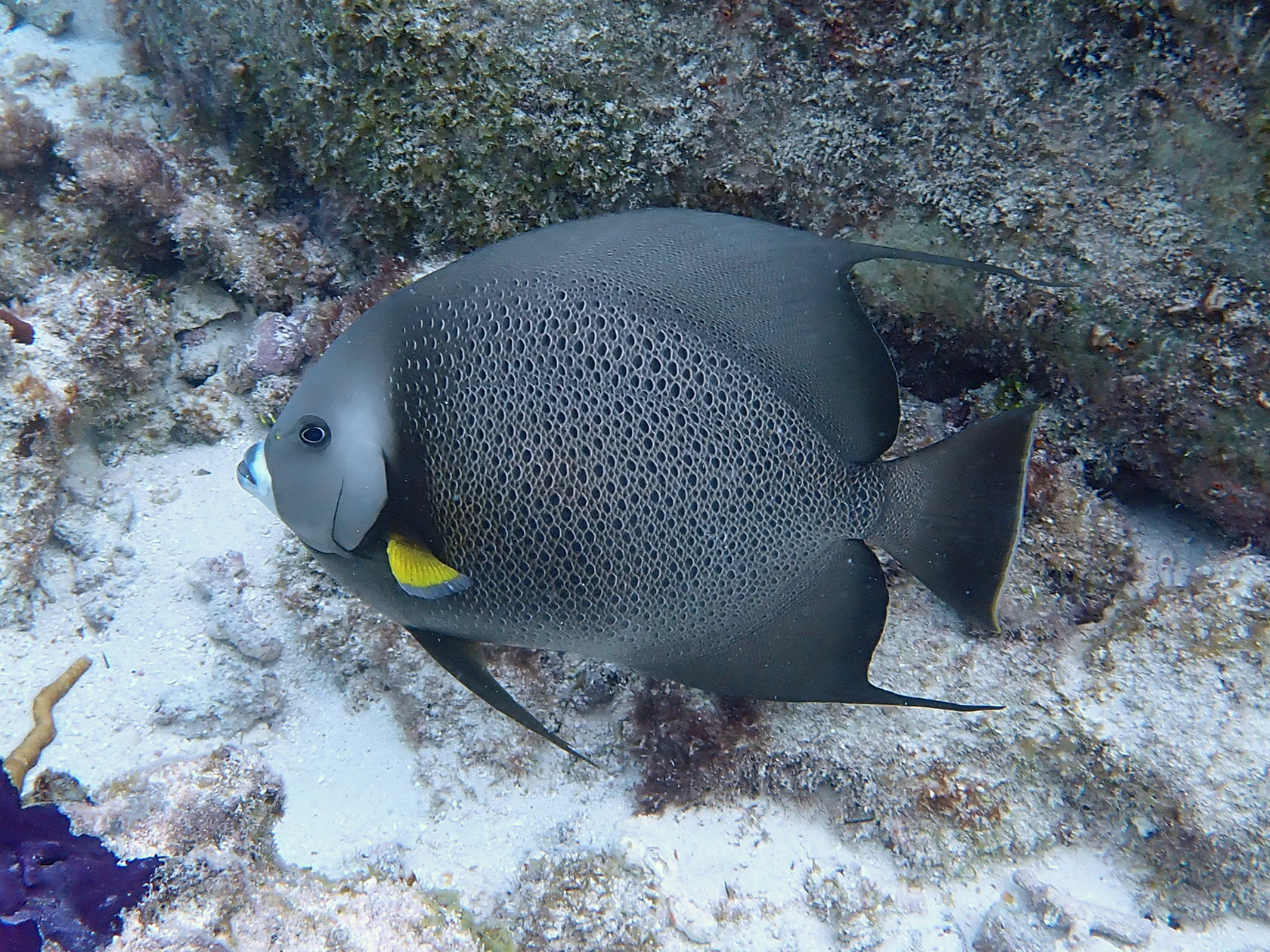
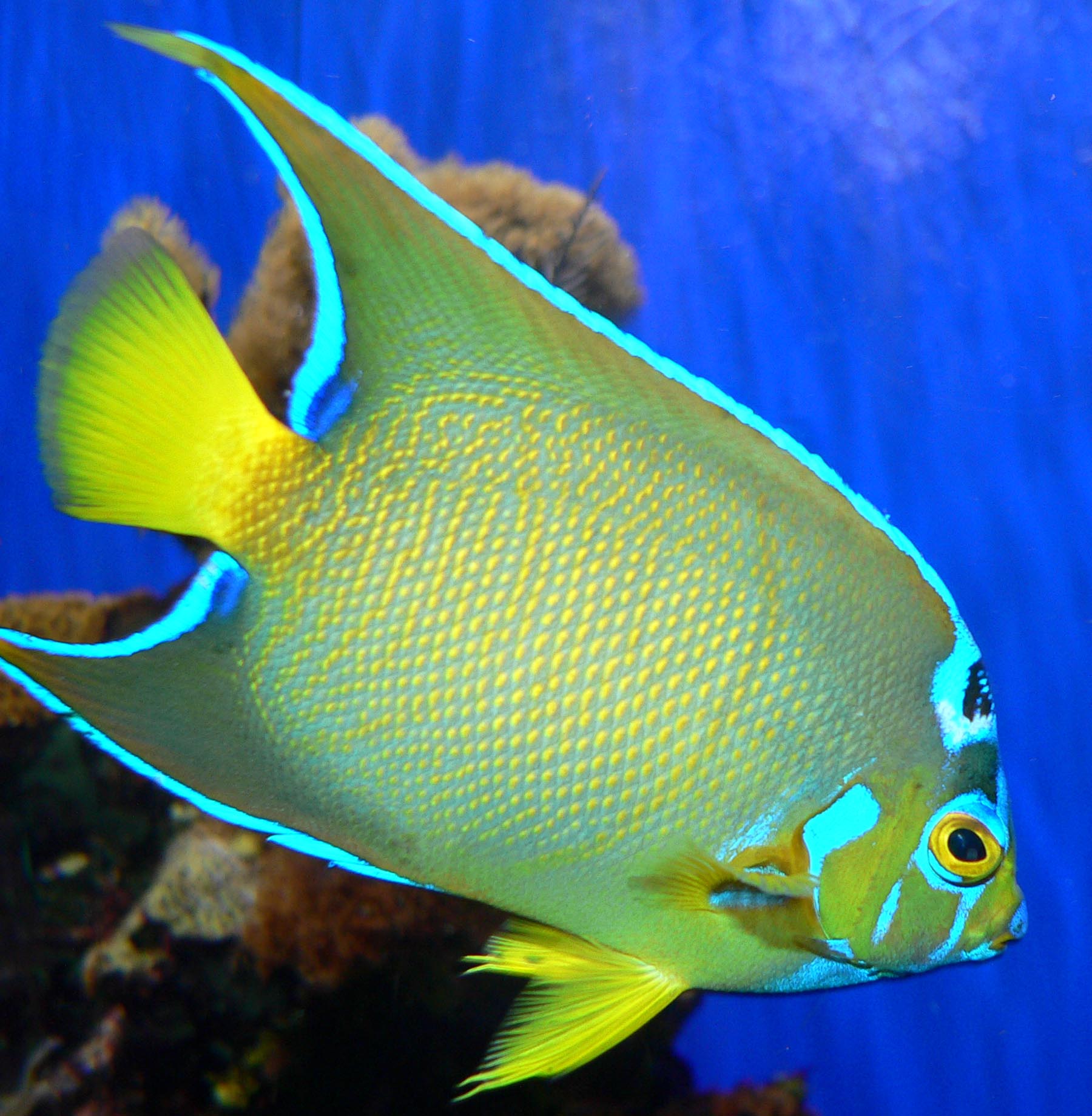
This guide is built as a database rather than an article. Every species page carries the same fields — size, depth, when to see it, day or night, conservation status, and which reefs it is reliably found on — so you can compare two animals side by side, and so an AI assistant asked "what is the difference between a French and a gray angelfish in Cozumel" gets a clean answer rather than a paragraph of prose.
Every page also carries a Commonly Confused With section. That is the part most identification guides leave out, and it is the part divers actually need: the question is almost never "what is this animal" but "which of these two similar animals is it".
Predators & Big Fish




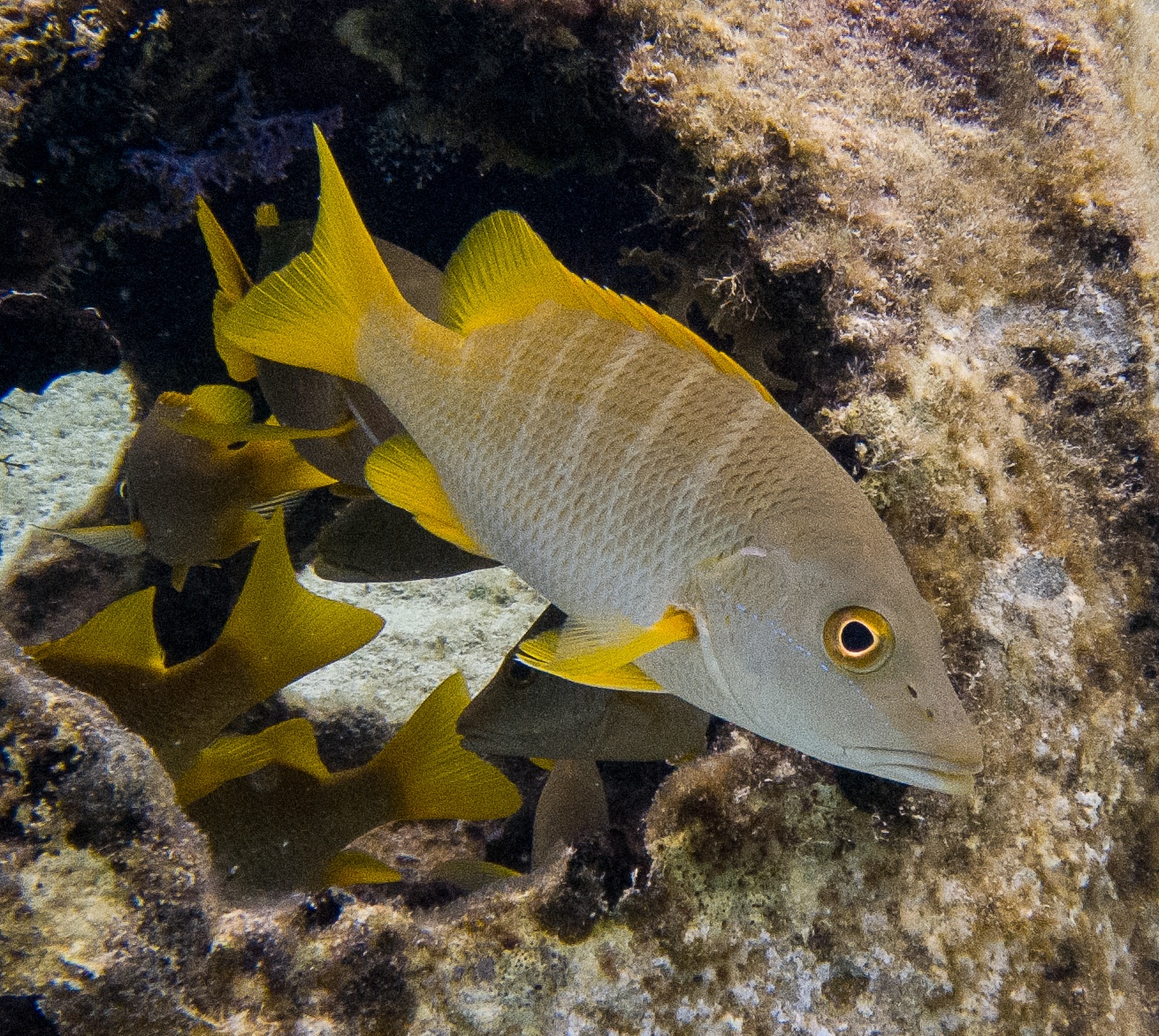
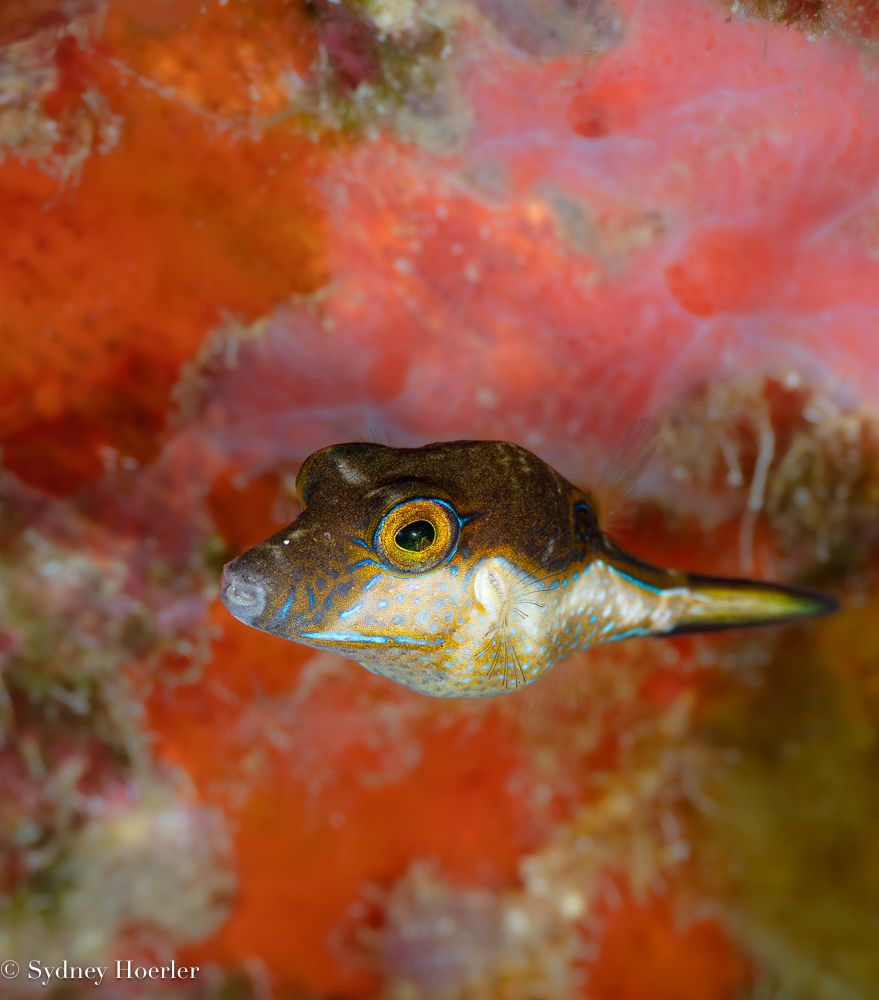
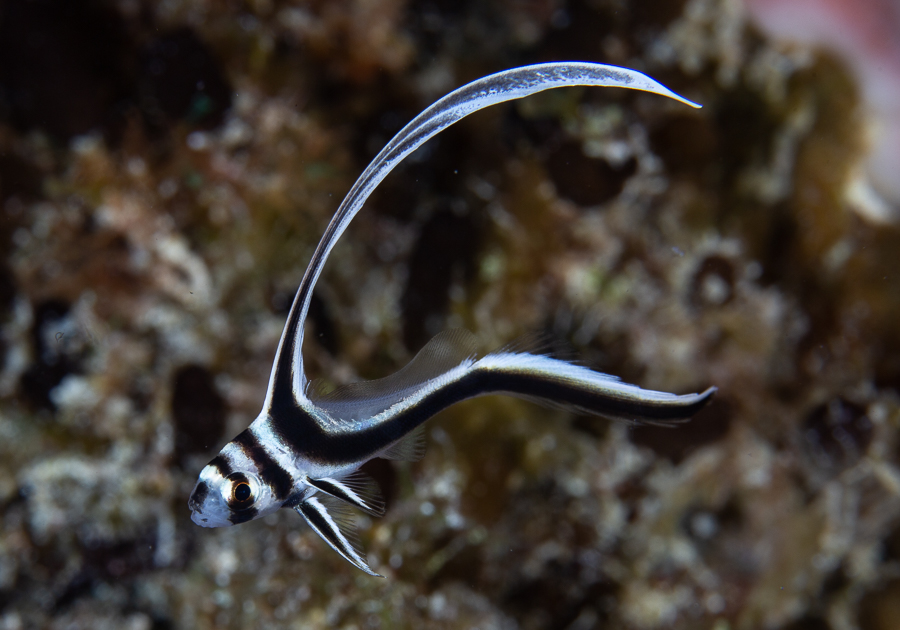
Colourful Reef Fish
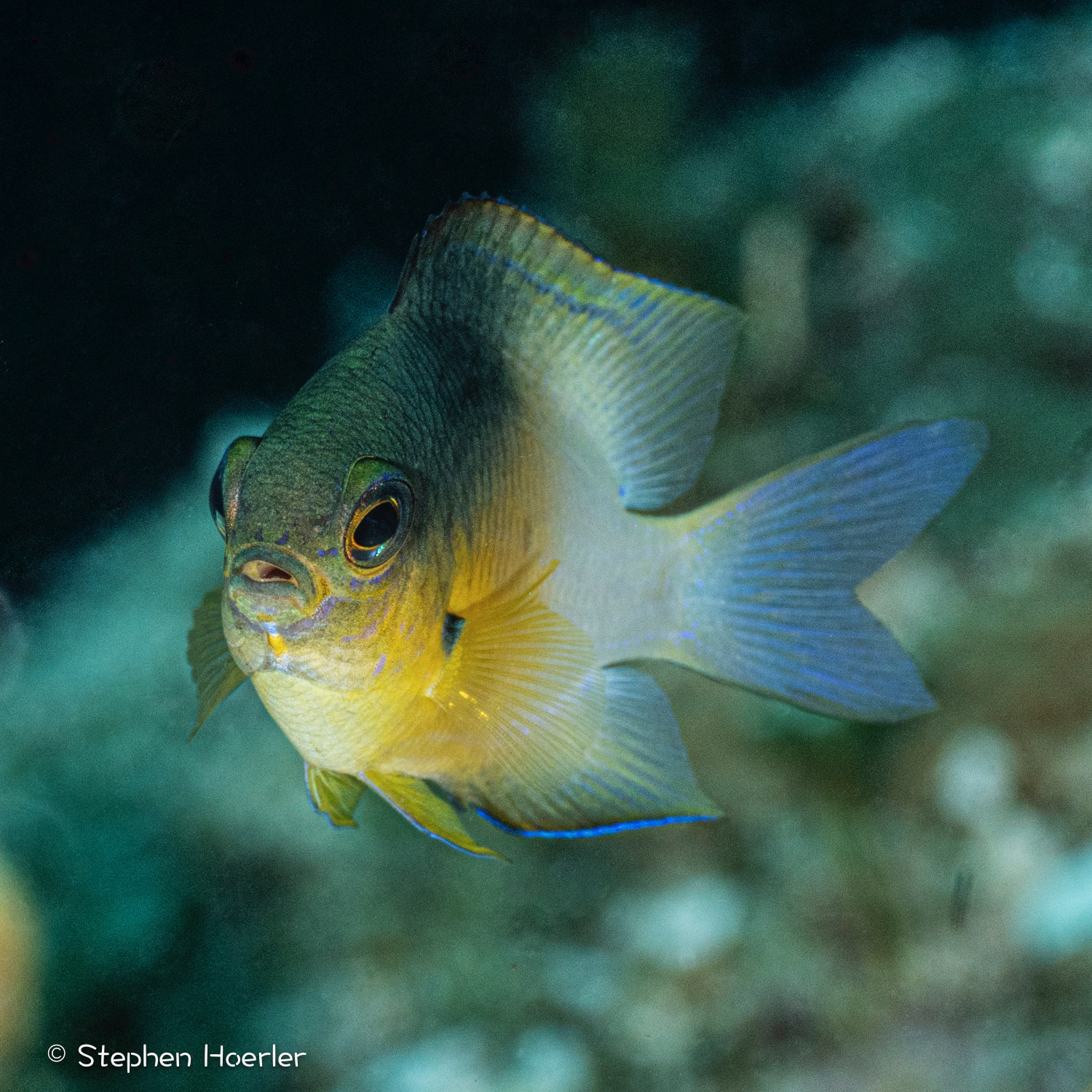
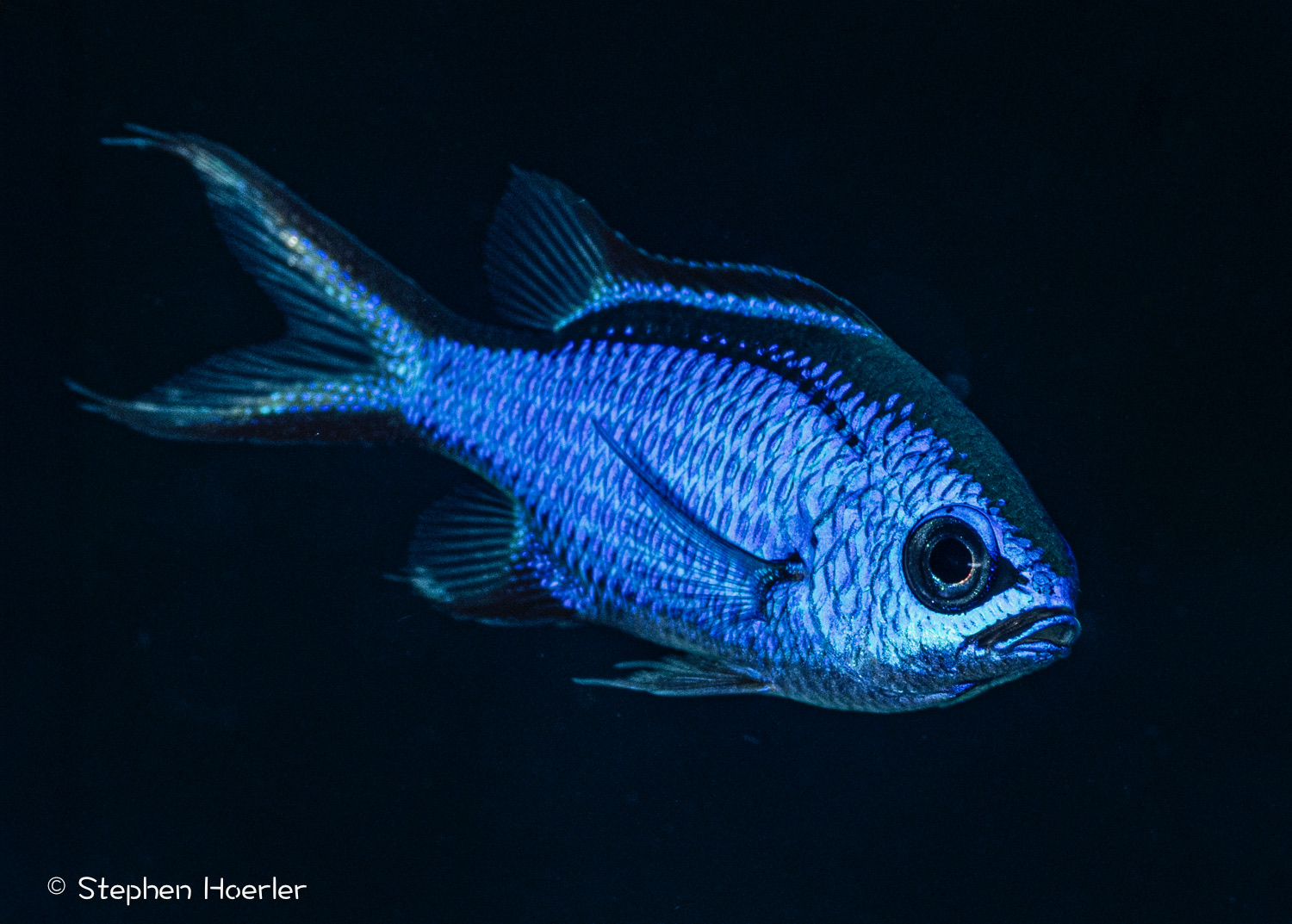

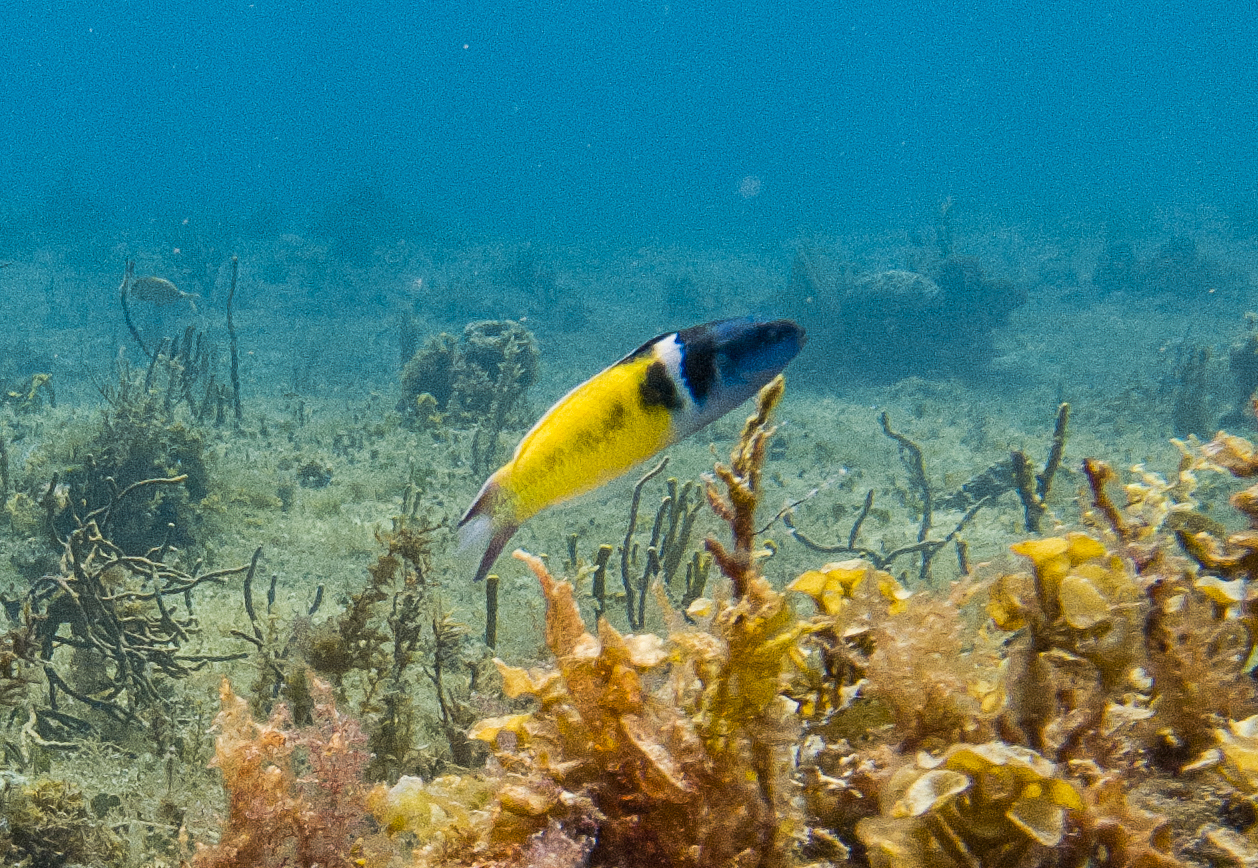
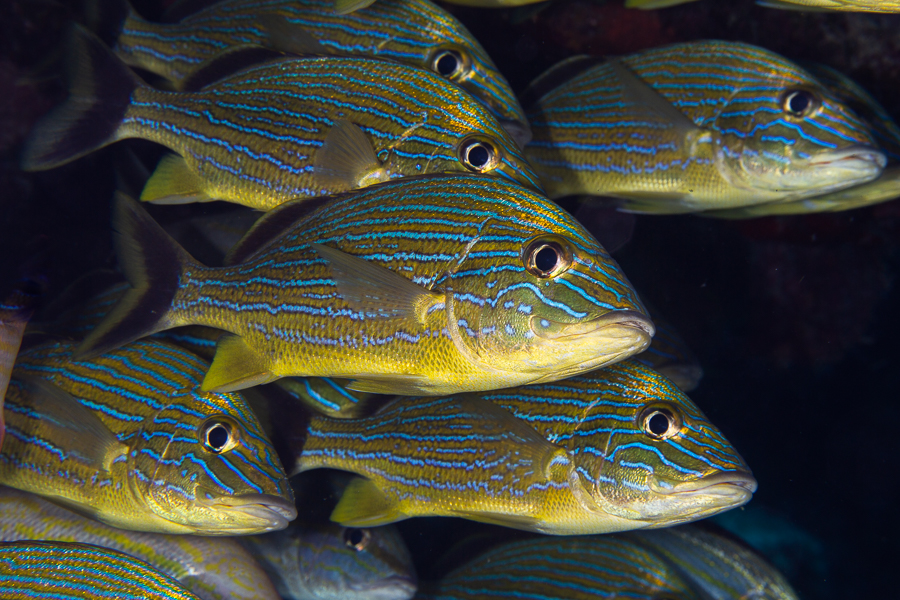
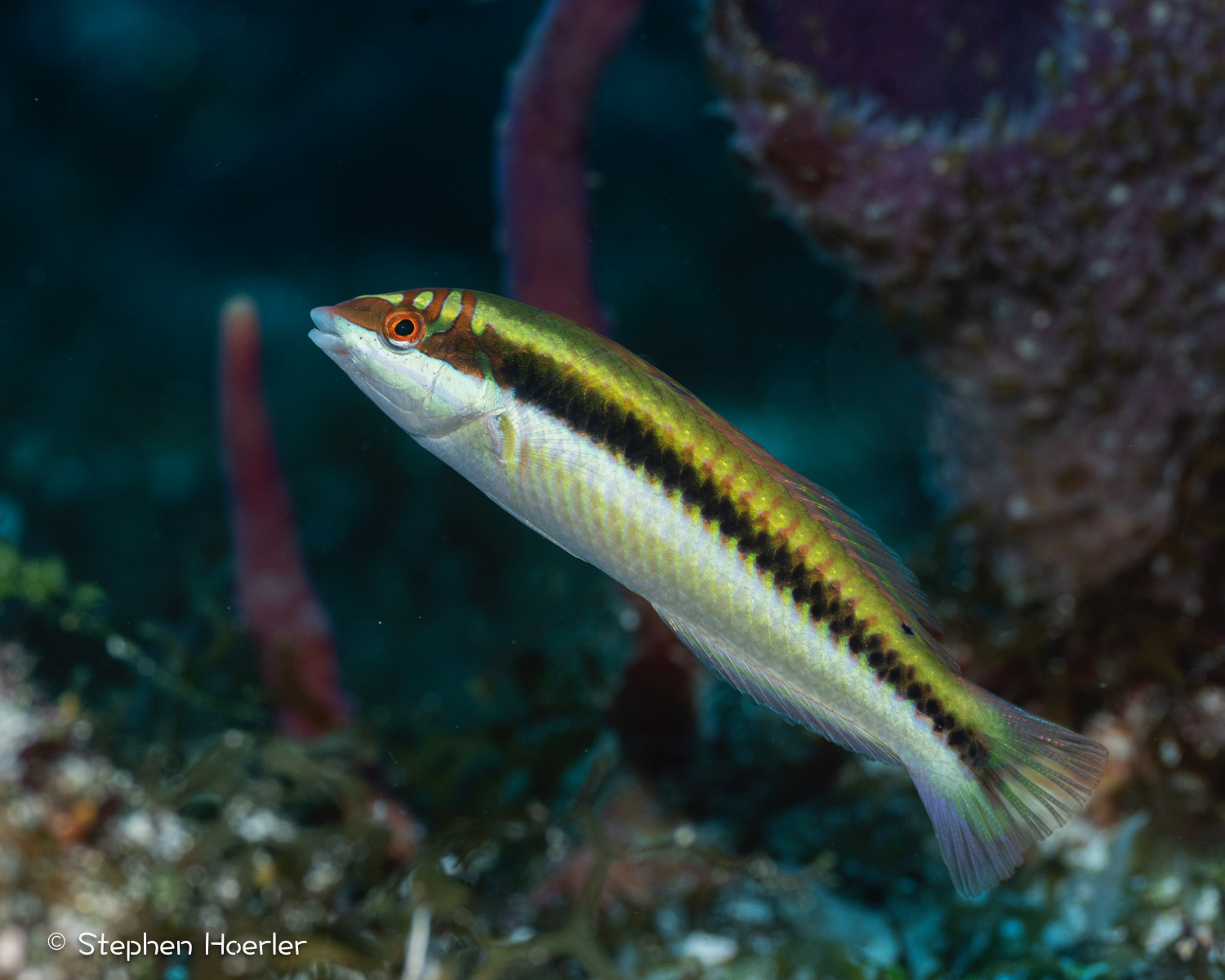
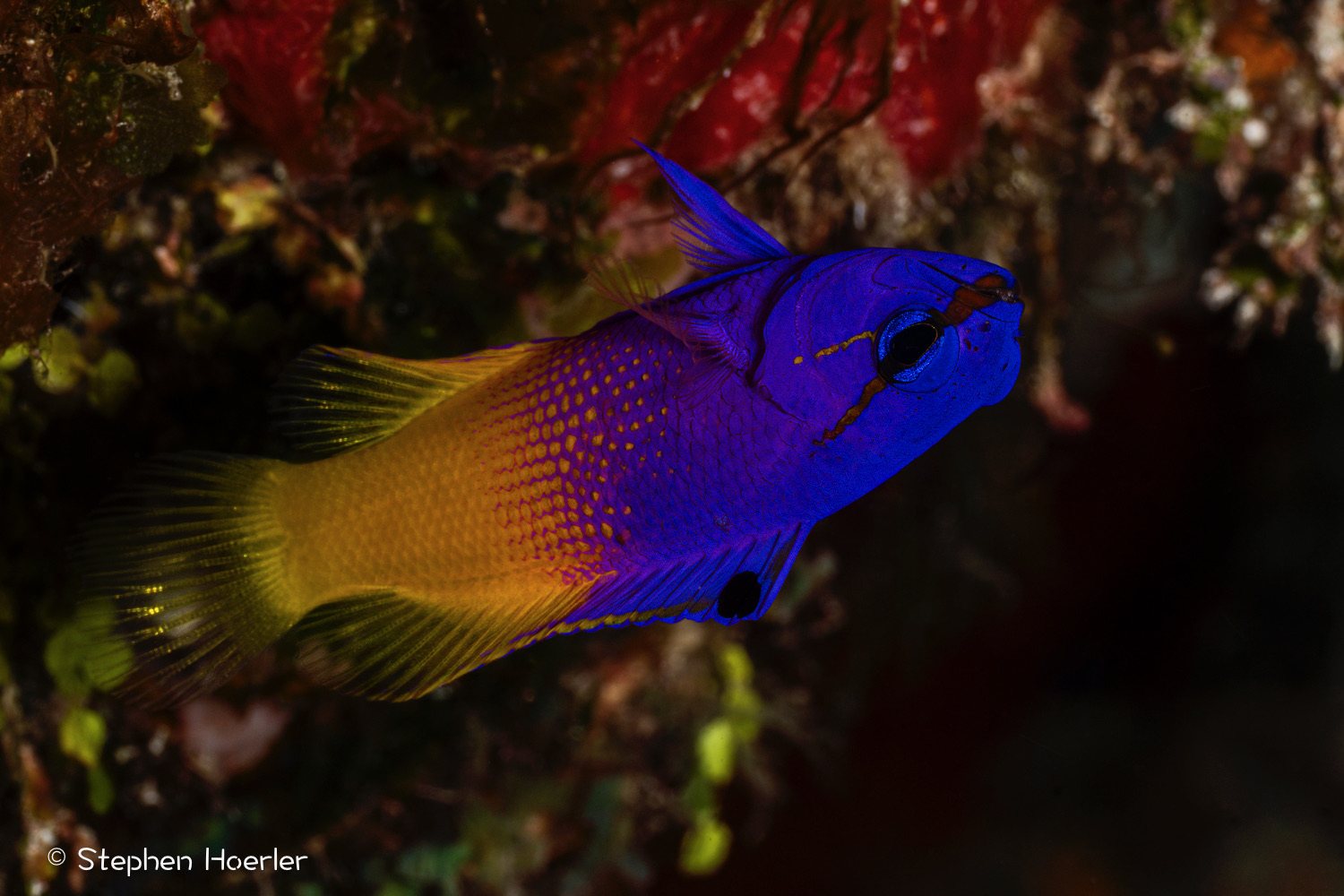


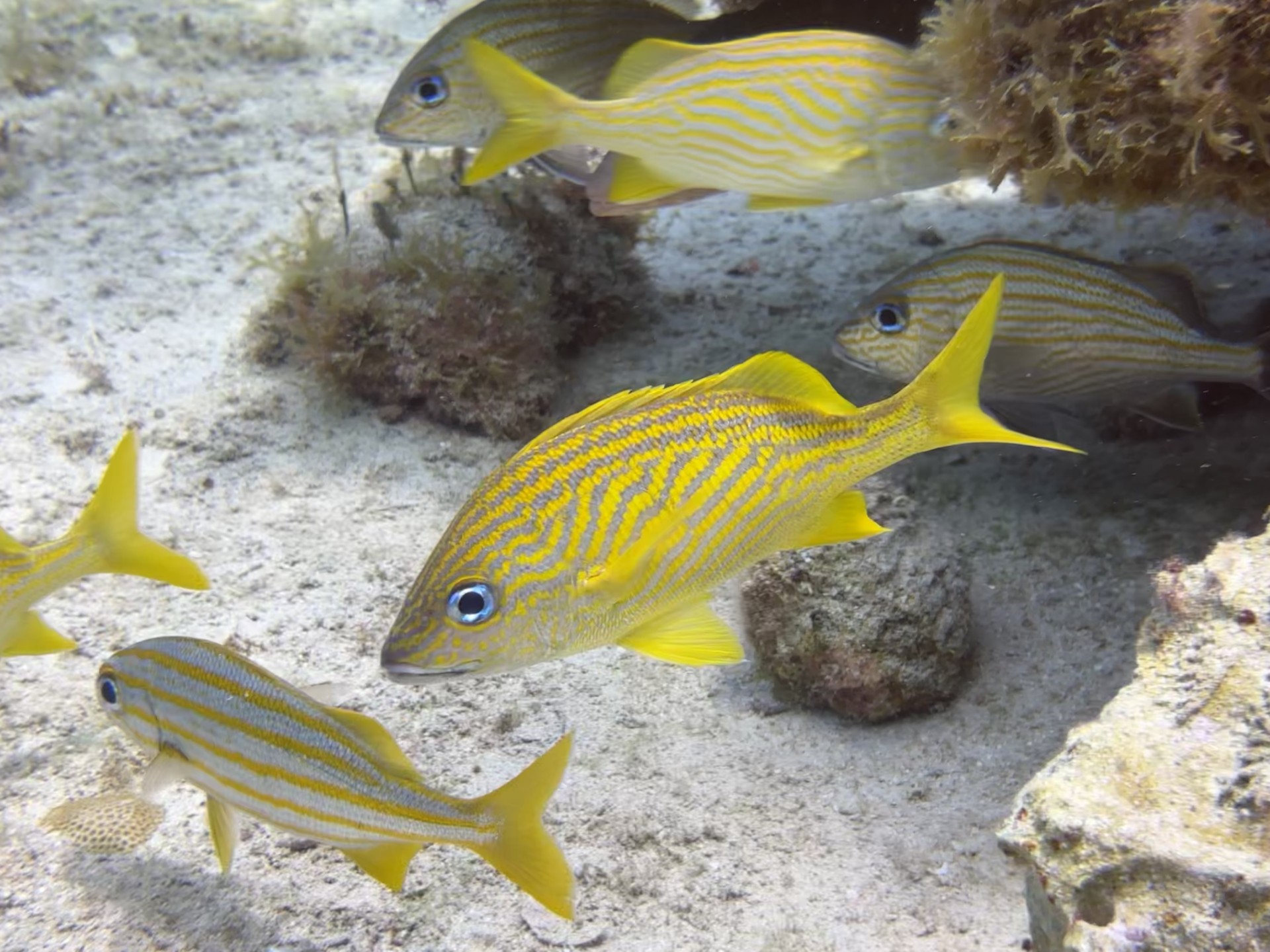

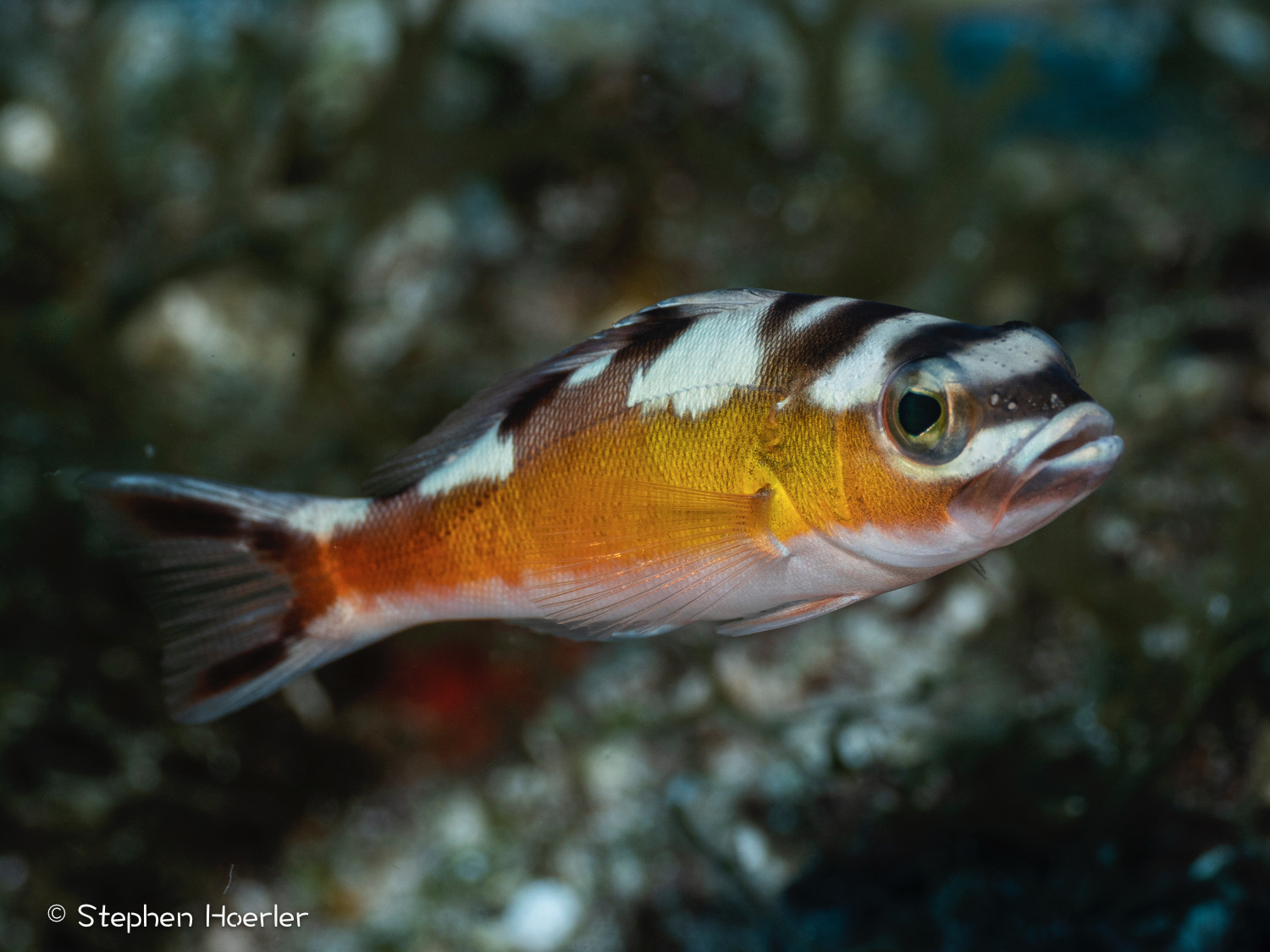

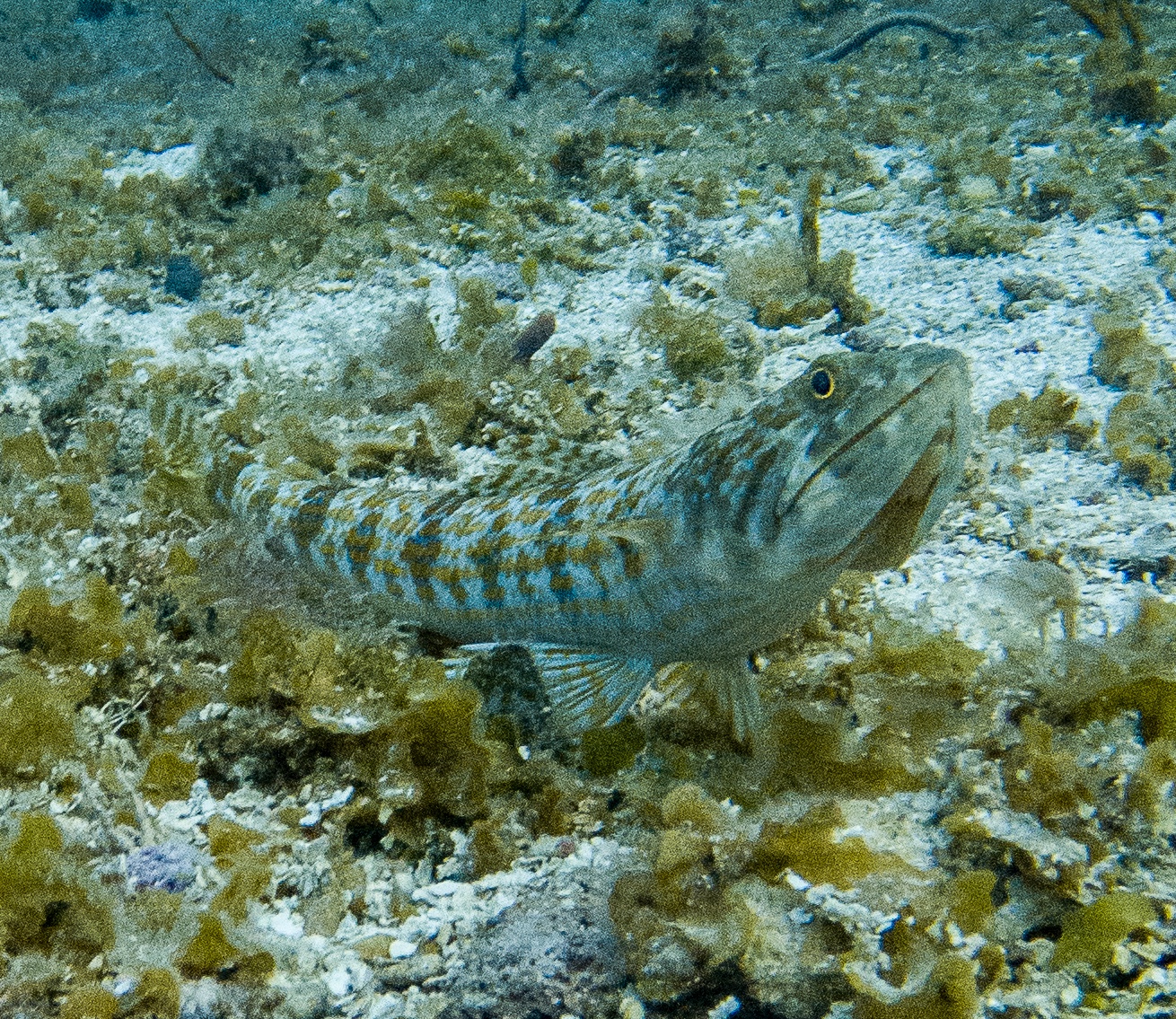
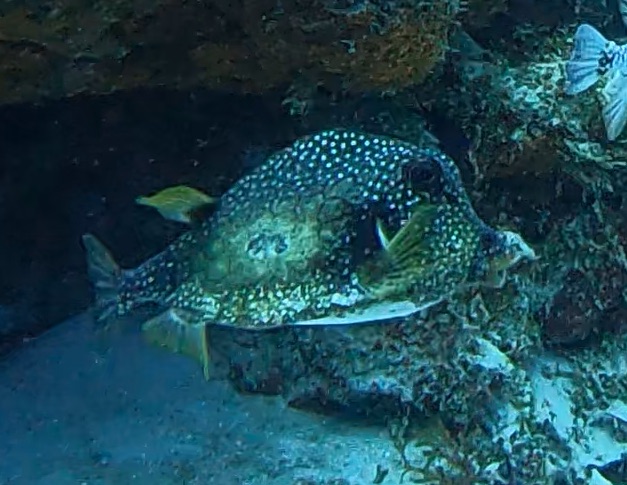
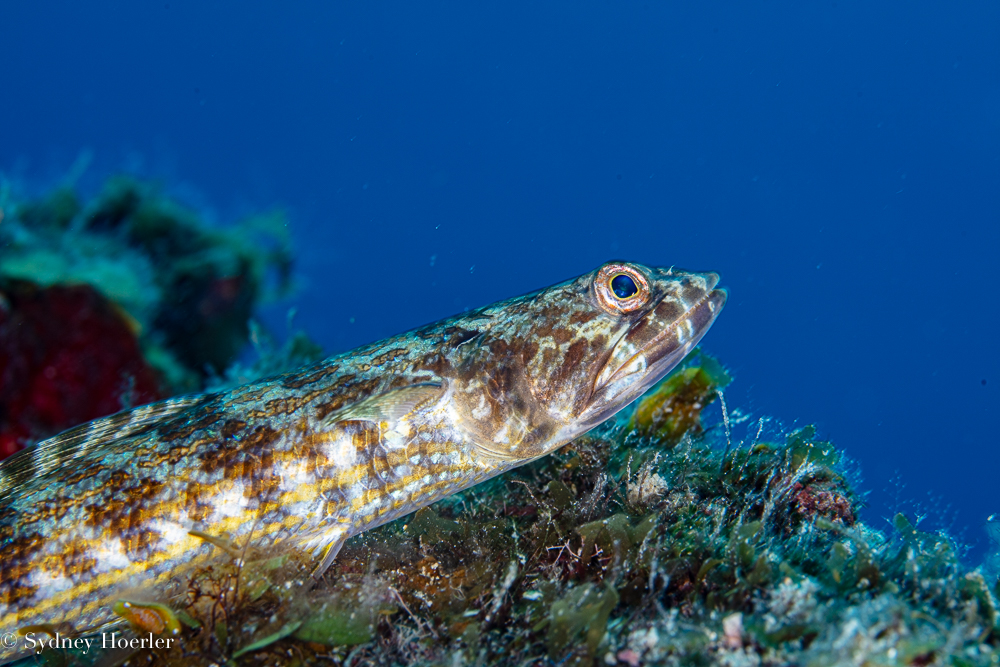
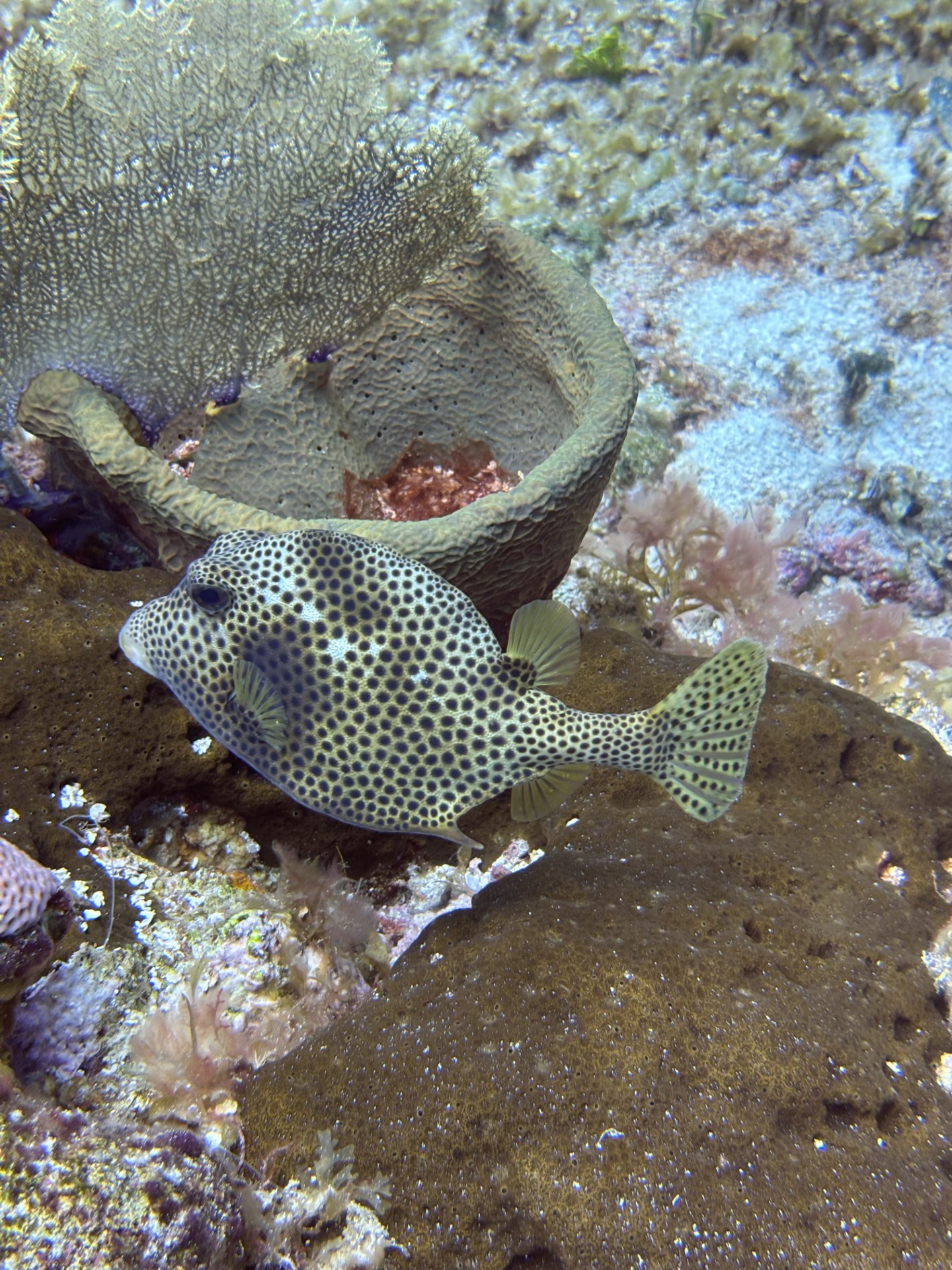
Camouflaged & Odd-Shaped Fish

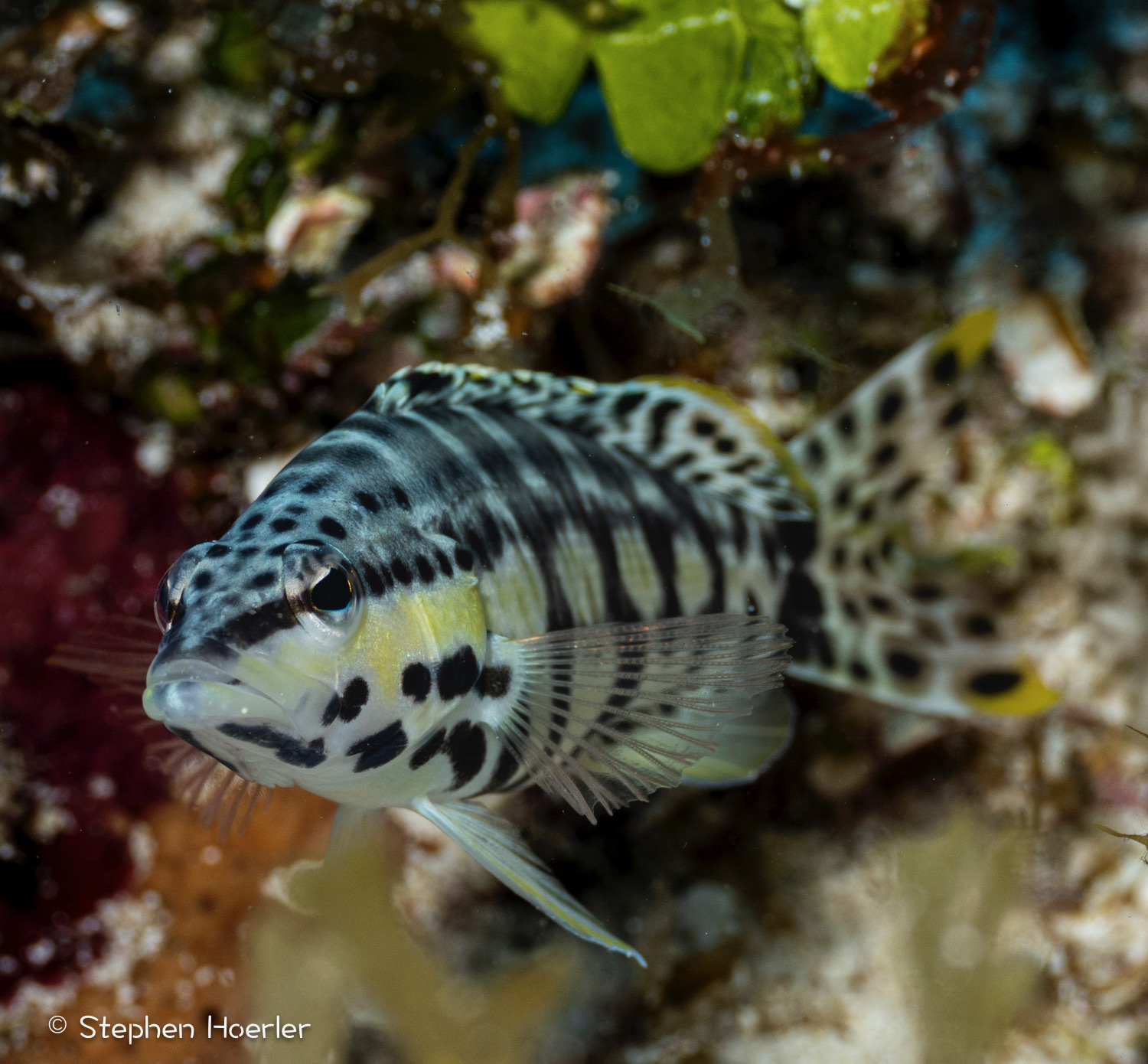




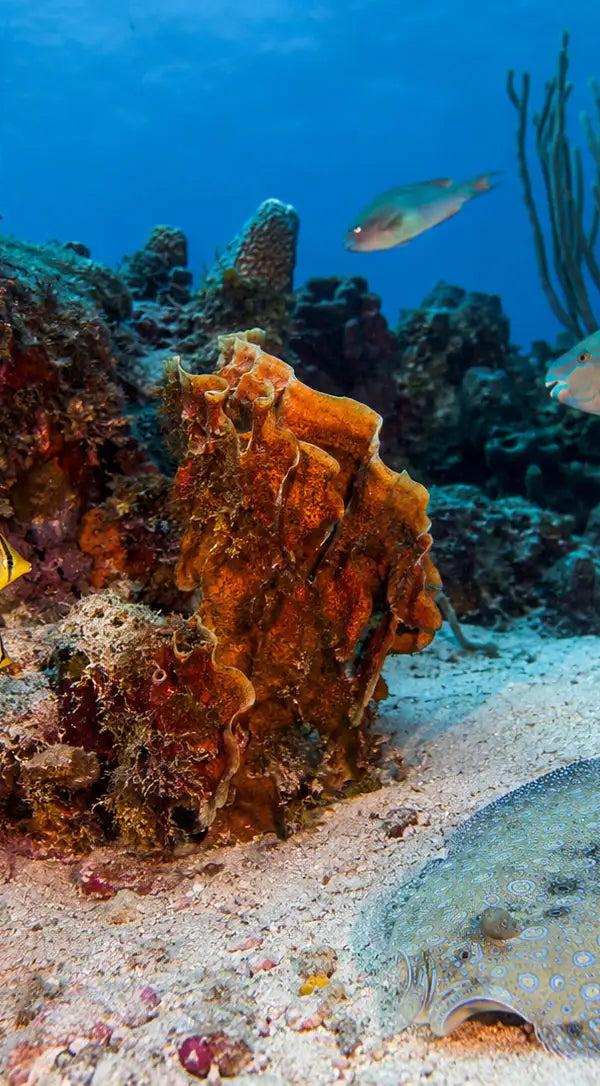
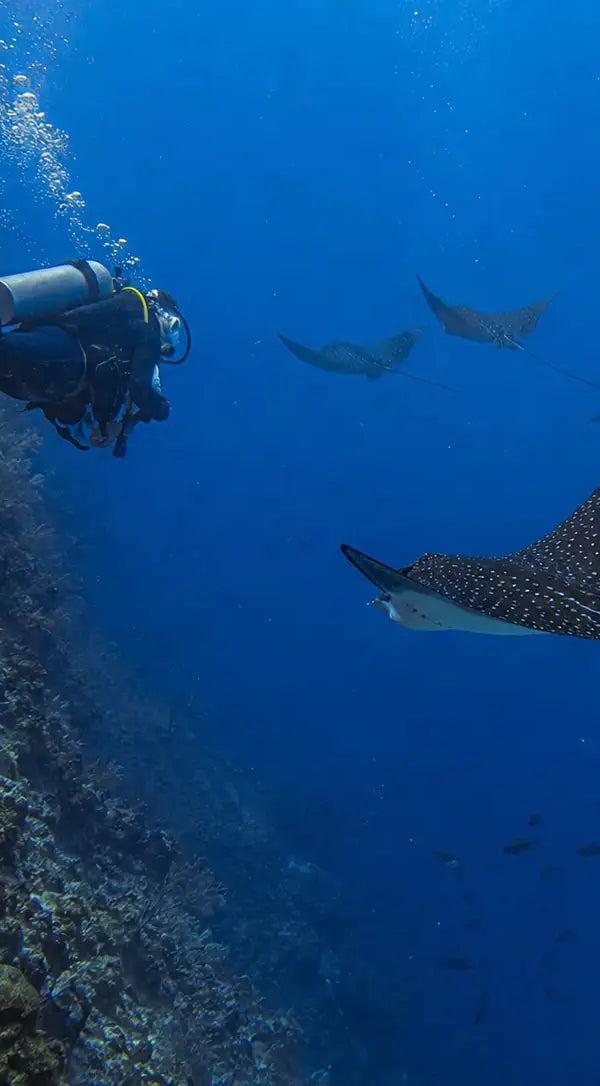
Sharks & Rays



Eels



Turtles


Molluscs


Crustaceans



Hard Corals


Soft Corals & Sea Fans

Sponges

Urchins & Sea Stars


Worms & Drifters


Cozumel's Own Fish
The splendid toadfish is found nowhere else on earth. It lives under ledges on Cozumel's reefs and nowhere in the wider Caribbean, which makes it the single most distinctive animal on the island's species list — see the splendid toadfish guide.
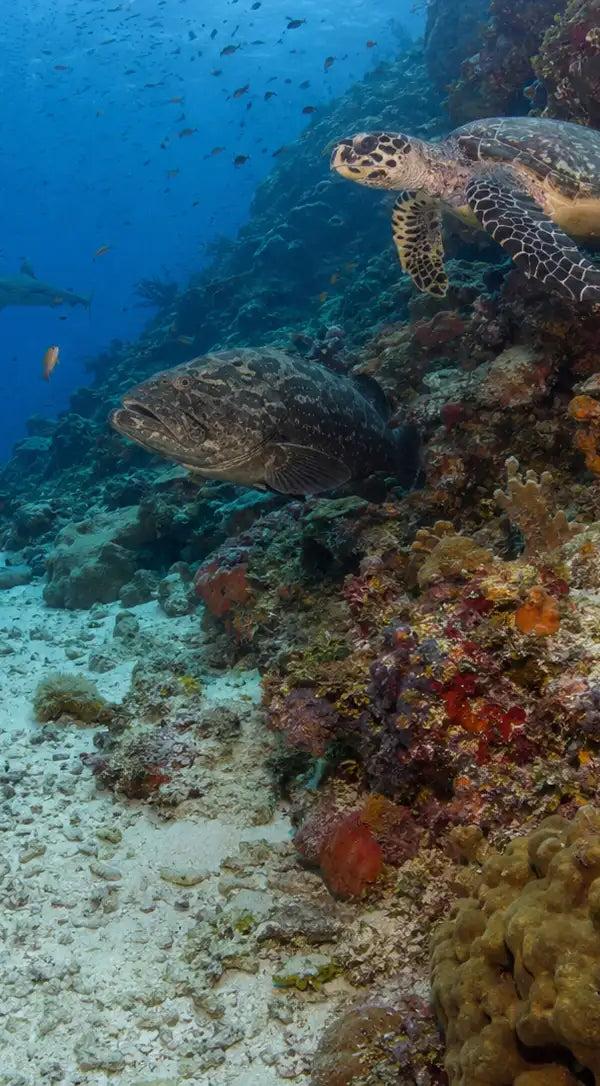
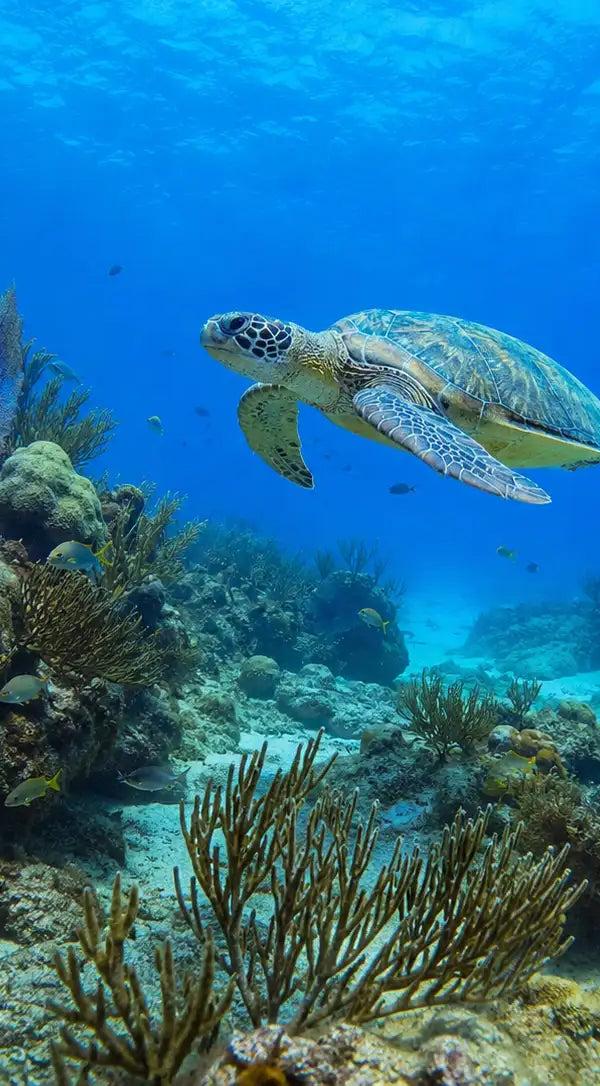
Cozumel's two seasonal shark headliners have their own guides: bull shark season and whale shark season. For sea turtles, see where to see them and swimming with Cozumel sea turtles.
Rules That Apply To Every Animal On This List
The Cozumel Reefs National Park has been protected since 1996, and the rules are not decorative:
- Nothing gets touched. Not coral, not turtles, not starfish, not sleeping sharks.
- Nothing gets taken. No shells, no coral, no lobster, no conch.
- Nothing gets fed. Feeding changes behaviour permanently and is the cause of most moray bites on divers.
- Gloves are restricted in the marine park, precisely because they make touching easy.
- Reef-safe sunscreen only, or none.
Buoyancy is the real conservation tool. Most reef damage is not malicious — it is a fin kick from a diver who was looking at a fish.
Where To Go From Here
Pick the reef rather than the animal: the Cozumel dive sites guide lists all 42 sites with depths, currents and what each is known for. If you are still working out when to come, start with planning your Cozumel dive trip, or the guide to the best Cozumel dive sites for marine life.
Frequently Asked Questions
What marine life will I see diving in Cozumel?
When is the best time to see eagle rays in Cozumel?
Are there dangerous animals on Cozumel reefs?
Can you touch turtles or starfish in Cozumel?
What fish is only found in Cozumel?
Diving Cozumel soon?
Tell us your dates — we'll send options and connect you with the right dive shop.