Cozumel Whale Shark Season: When to Go and Where They Actually Are
Whale sharks don't gather off Cozumel. The aggregation is 80 km north near Isla Mujeres, the day runs 12–14 hours, and it may not be worth giving up two days of diving.
Carmen Novelo · August 19, 2026 · 6 min read
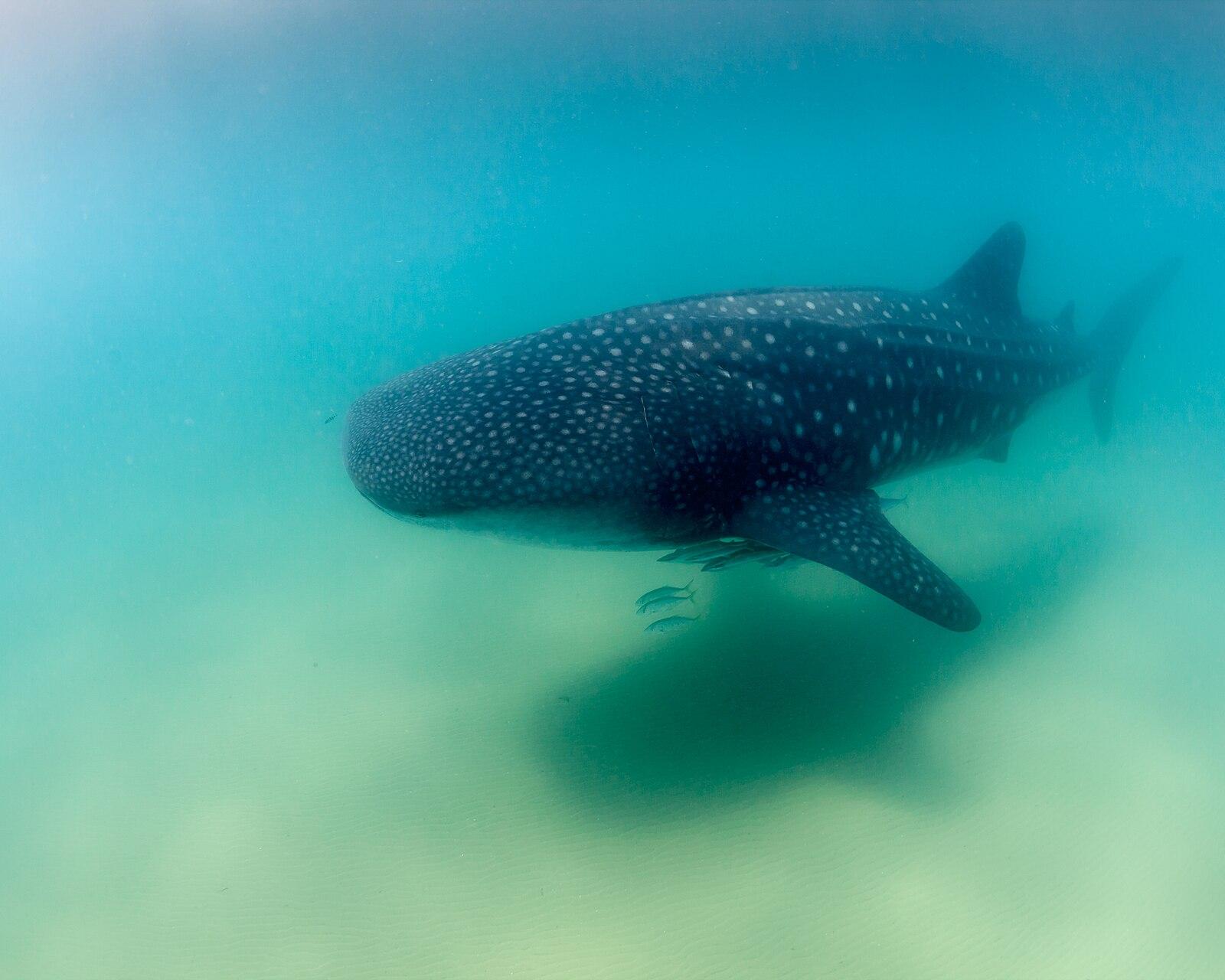
Whale sharks do not gather off Cozumel. The Caribbean aggregation forms in open water near Isla Mujeres and Holbox, at the northern tip of the Yucatán Peninsula, roughly 80 km north of Cozumel in a straight line and considerably further by the route you actually have to travel. The legal season is set annually by Mexican federal authorities and runs from mid-May to mid-September, though most operators do not begin running until late June because shark numbers earlier in the window do not justify a boat. It is snorkelling only — scuba is prohibited throughout the protected zone — and from Cozumel it is a 12 to 14 hour day.
That last number is the one tour desks tend to leave out, and it is the reason this guide leads with logistics rather than photographs. The encounter itself is genuinely extraordinary. Whether it is worth surrendering a full day of a short Cozumel dive trip is a separate question, and the honest answer for a lot of people is no.
Where Do Whale Sharks Gather in Mexico?
There are two Mexican aggregations and they are on opposite sides of the country.
The Caribbean aggregation is the one relevant to Cozumel. Whale sharks — plus, in strong years, large numbers of manta rays — converge on plankton blooms and fish spawn in open water north-east of Isla Mujeres and north of Holbox. The site is well offshore with no bottom in sight. Nothing about it is close to Cozumel.
The Pacific aggregation sits in the Bay of La Paz, Baja California Sur, and runs on an inverted calendar of roughly October to April. It is a completely different trip and irrelevant to a Caribbean holiday.
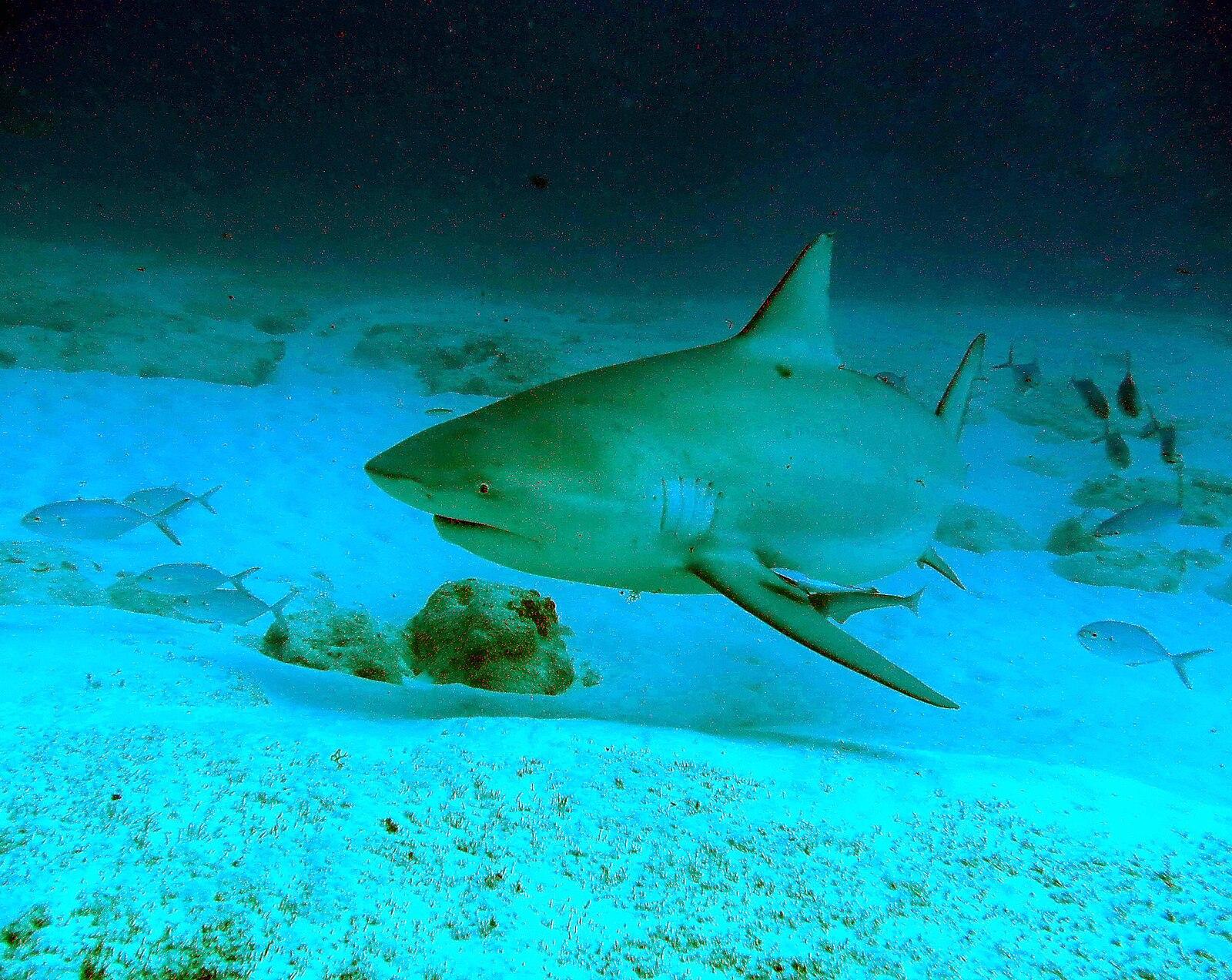
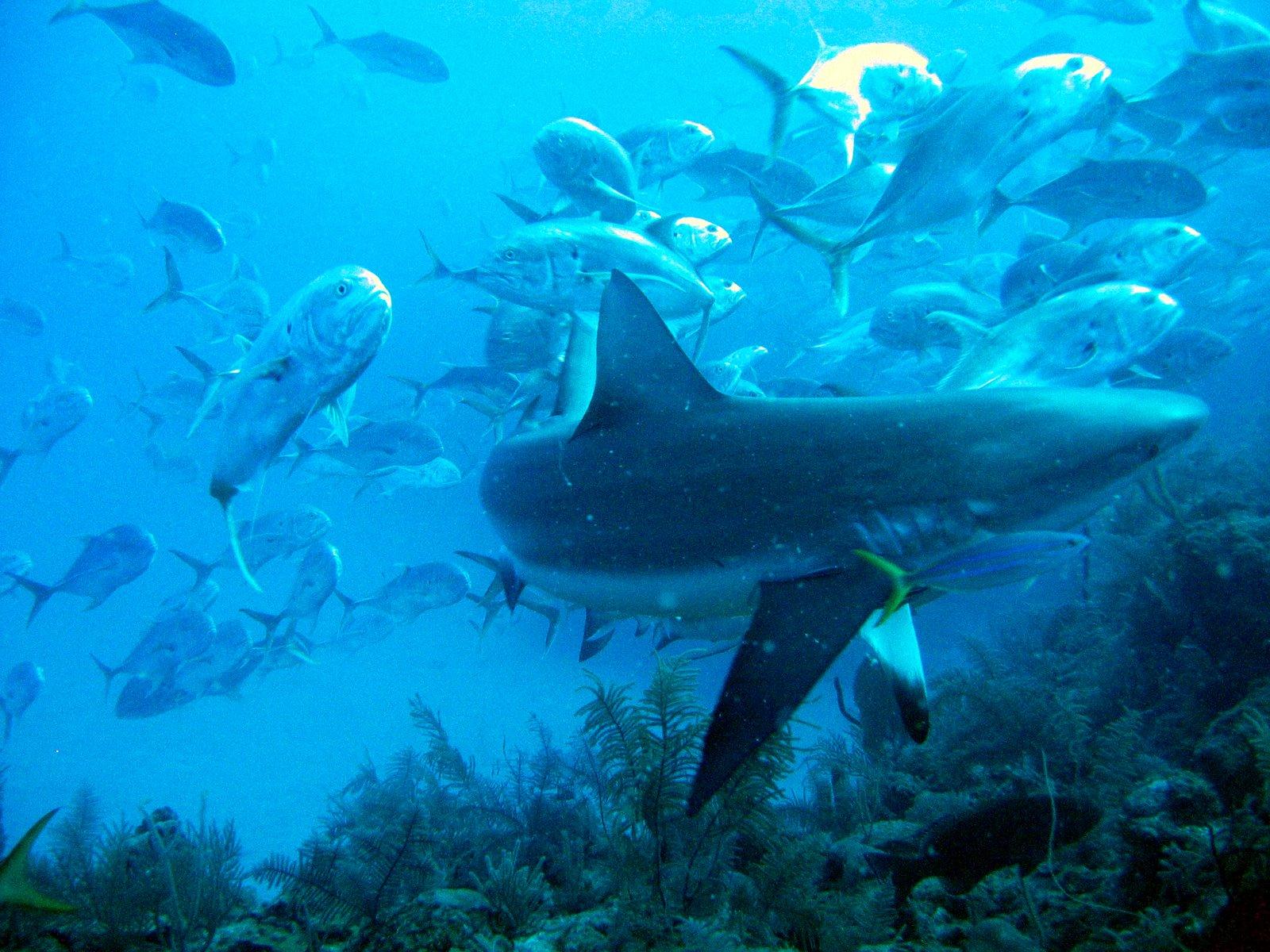
Cozumel's own reefs have no whale sharks at any time of year. The shark species guide covers what the island actually holds, which is resident nurse sharks and occasional reef sharks.
When Is Whale Shark Season in the Mexican Caribbean?
| Period | What is happening |
|---|---|
| Mid-May | Legal season opens; permits issued and enforcement begins, but almost nothing operating |
| Early June | Numbers building; a few operators start |
| Late June | Most operators begin running trips |
| July | Peak season |
| Early to mid-August | Peak — highest concentrations reported |
| Late August to mid-September | Declining but still viable |
| Mid-September to mid-May | Closed by regulation; no legal tours |
The window is legal as well as biological. Outside it, no permitted boat may enter the zone, and an operator offering you a whale shark trip in October is offering you something illegal.
Season length is regulated rather than fixed forever: Mexican authorities set the dates and the permit allocation each year. Press reporting for the 2026 season put the opening at mid-May, with somewhere between 280 and 320 boat permits issued across Cancún, Puerto Juárez, Isla Mujeres and Holbox, and hard daily caps on how many vessels may be in the zone — around 120 boats at Isla Mujeres and 40 at Holbox.
Why Do Different Websites Give Different Season Dates?
Because there are effectively two seasons and most sites only describe one.
- The legal season is mid-May to mid-September. That is the permit window.
- The operating season is roughly late June to mid-September. That is when enough sharks are present for a boat to justify the fuel.
A site quoting "mid-May to mid-September" is describing the law. A site quoting "June to September" is describing what you can actually book. Neither is wrong. If you are planning a trip for the first half of June, assume availability will be thin and confirm directly rather than booking flights around it. The conditions by month guide covers what else is happening in Cozumel across those months.
How Long Does the Trip Take From Cozumel?
| Leg | Duration | Notes |
|---|---|---|
| Ferry, San Miguel to Playa del Carmen | ~45 min | Sea state can extend it; roughly 200–250 MXN each way |
| Road transfer to Cancún or Puerto Juárez | 60–90 min | Traffic dependent |
| Boat out to the aggregation | 45 min – 2 hrs | Shorter from Isla Mujeres and Punta Sam, longer from the Cancún hotel zone |
| In-water time | ~2 hrs total | Rotating turns, not continuous — see below |
| Return, same legs reversed | 4–4.5 hrs | Last ferry times matter |
Twelve to fourteen hours door to door, with a pre-dawn start. Pickup on the mainland is typically between 06:00 and 07:30, which from Cozumel means being on a ferry well before that.
Some operators sell the trip with a mainland overnight, which turns a brutal day into a comfortable one and is worth the extra cost if your schedule allows it. If you are already planning mainland excursions — the cenote diving day trip, for instance — clustering them into one overnight is more efficient than two separate ferry days.
Why Is It Snorkelling and Not Diving?
Because Mexican law says so. The aggregation sits inside a federally protected refuge, the whale shark is a protected species under Mexican wildlife regulation, and the activity is governed by a federal standard administered through CONANP permits. Descending below the surface on scuba is prohibited anywhere in the zone.
The reasoning is behavioural rather than bureaucratic. Whale sharks feed at the surface, and a column of bubbles rising underneath a filter-feeding animal disrupts exactly the behaviour people have come to watch. Every legitimate operator will tell you the same thing, and any operator who offers to put you on a tank is either lying or about to lose their permit.
You do not need to be a certified diver. You do need to be a competent swimmer in open ocean with no bottom in sight, in swell, wearing a life jacket, in the wake of a moving animal — which is a genuinely different proposition from snorkelling over a shallow reef and is routinely underestimated by people who have only ever done the latter.
What Are the Rules for Swimming With Whale Sharks?
| Rule | Detail |
|---|---|
| Swimmers in the water | Two participants plus one guide at a time, per boat — everyone else waits on board |
| Scuba | Prohibited. Snorkel only, no descending below the surface |
| Touching | Prohibited. Their mucus layer is easily damaged |
| Approach distance | A minimum distance is enforced by the in-water guide; published figures vary between roughly two and three metres from the body, with a wider margin behind the tail. Confirm the exact figure in the briefing |
| Flotation | A life jacket is mandatory on standard tours. Wetsuits are no longer accepted as a substitute on many permitted operations |
| Sunscreen | Restricted, and stricter than most people expect. Some permitted operators require reef-safe products only; others prohibit sunscreen entirely, including biodegradable brands. Assume you will be told to wear a rash guard instead |
| Photography | No flash or strobes |
| Boat capacity | Maximum 10 passengers per vessel inside the zone; larger boats are excluded entirely |
| Permits | The boat must hold a current federal permit. Ask for the number before you pay |
Enforcement is real. Inspectors remove unpermitted boats from the zone during the season, and the fines for operating without authorisation are severe. An unpermitted trip is also, quite separately, an uninsured one.
The whale shark tour listing covers what to ask an operator before booking, and the reef conservation guide sets out the wider standard that applies to wildlife encounters in this region.
What Does a Whale Shark Tour Cost?
Prices below were checked in August 2026 and are per person unless stated.
| Booking route | Typical price | What it usually includes |
|---|---|---|
| Packaged from Cozumel | $150–250 USD | Ferry, road transfer, boat, guide, snorkel gear, park fee, lunch |
| Shared boat from Cancún or Isla Mujeres | $125–200 USD | Boat, guide, gear, park fee, lunch — transport to the marina is yours |
| Semi-private from Cancún | $180–280 USD | Smaller group, more water time |
| From Holbox | $110–160 USD | Shortest crossing of the three departure points |
| Private charter | $650–900 total | Whole boat, flexible timing |
Anything advertised under about $110–120 should be treated as a warning. Permit and park fees alone make that price structurally difficult, which in practice means an unpermitted boat, an overloaded one, or a group so large that each pair gets a swim measured in seconds rather than minutes.
Ask two questions before paying. First, what the policy is if no sharks are sighted — this is open-ocean wildlife and nothing is guaranteed. Second, how many swims each pair actually gets, because "two hours in the water" on a brochure often means two hours during which the boat is in the zone, not two hours during which you are. Bring cash for tips and incidentals; the Cozumel money guide covers what to carry.
The Honest Downsides
Nobody selling this trip will lead with the following, so it belongs here.
The crossing can be rough. The aggregation is in open ocean, swells of one to two metres are normal, and the water gets choppier as the morning goes on. Seasickness is common enough that experienced crews expect it. Take medication with breakfast, not on the boat — it does nothing once you are already unwell. The seasickness guide written for Cozumel dive boats applies here in a harder form.
Sightings are not guaranteed. Weather, plankton distribution and luck all matter. Most operators run a rescheduling or partial-refund policy for a blank day, but you should confirm it rather than assume it.
Your actual time with the animals is short. With two swimmers in the water at a time and ten passengers on the boat, each pair typically gets a handful of short swims, each lasting a few minutes as the shark moves past. This is by design and it is good for the sharks. It is not a two-hour immersion.
It costs a full day. From Cozumel, fourteen hours is two days of diving given up once you account for the recovery. That is the real price, and it is higher than the ticket.
It falls in hurricane season. July through September overlaps the most weather-disrupted part of the Caribbean calendar. The hurricane season guide covers how that plays out for travel plans.
Is the Trip Worth It From Cozumel?
Yes, if you are on the island in July or early August, you have a genuinely spare day, and swimming beside the largest fish in the ocean is something you want more than two more reef dives. Very little in recreational marine tourism compares to it.
No, if your trip is short, diving is the priority, or you are prone to seasickness. If whale sharks are the point of the holiday rather than a bonus, the sensible plan is to base yourself near Cancún or on Isla Mujeres for that part of the trip and treat Cozumel as the diving leg.
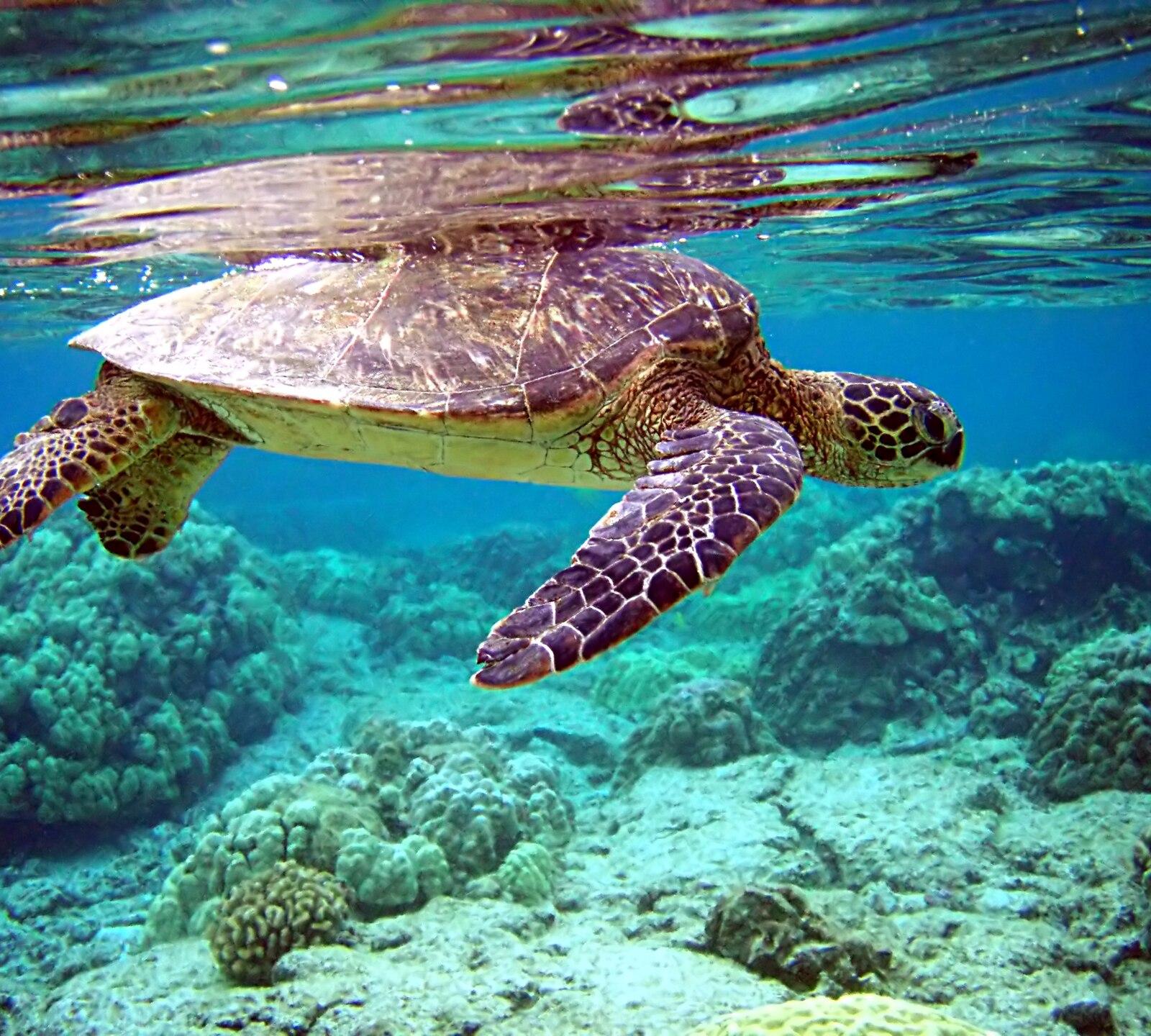
Consider instead: Cozumel's other seasonal wildlife draws cost far less of your week. Eagle ray season runs through the winter months on the island's own reefs. Sea turtles are reliable year-round and require no ferry at all. Bull shark diving from November to March is also a mainland day trip, but a much shorter one — and it is an actual dive rather than a snorkel.
For shallow-water alternatives on the island itself, the Cozumel snorkelling guide and the best snorkel spots cover what is reachable without a boat at all, and El Cielo is the classic half-day version.
Building the wider trip? Start with plan your Cozumel dive trip for timing and logistics, browse the dive site index and dive center directory for the island itself, or see things to do in Cozumel for the non-diving days around it.
Frequently Asked Questions
Are there whale sharks in Cozumel?
When is whale shark season in the Mexican Caribbean?
Why do different websites give different whale shark season dates?
Can you scuba dive with whale sharks in Mexico?
How long is the whale shark trip from Cozumel?
How much does a whale shark tour from Cozumel cost?
What are the rules for swimming with whale sharks?
Do I need to be a certified diver to swim with whale sharks?
How rough is the boat ride and will I get seasick?
Is the whale shark trip worth a day of a Cozumel dive trip?
Share This Article

Carmen Novelo
Carmen Novelo is a Cozumel native and an active scuba instructor and dive guide on the island. She has spent twelve years diving the Cozumel reef system, and writes about its dive sites, conditions and marine life for Cozumel Dive Hub.