Cozumel Bull Shark Diving: The Real Local Experience
Find out how to dive with bull sharks from Cozumel: true locations, best season, safety, and authentic local options. Real guide by a local diver.
Carmen Novelo · August 27, 2026
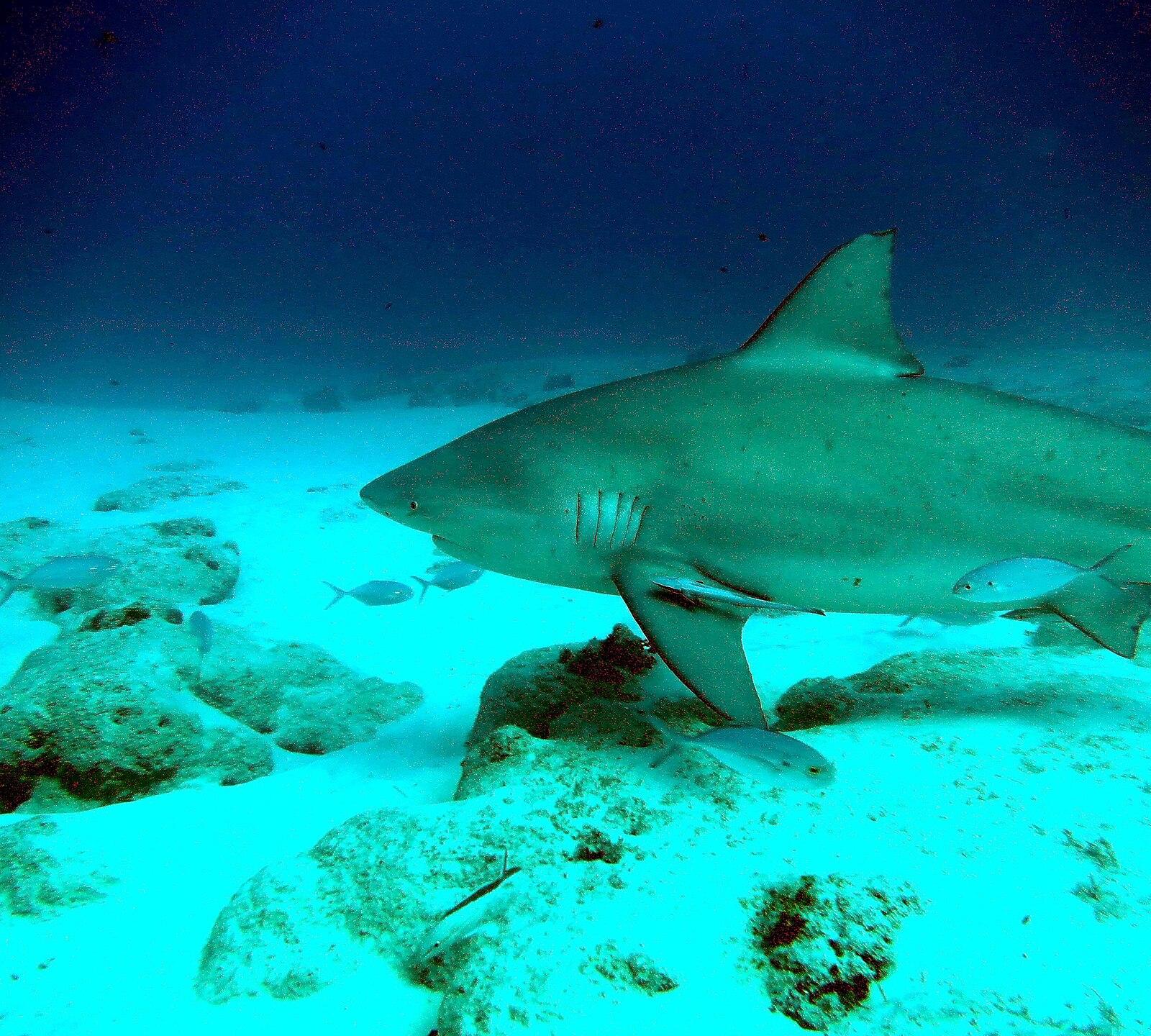
If you’re considering bull shark diving from Cozumel, here’s the truth: the real bull shark action happens across the channel in Playa del Carmen, especially in winter, and only specific Cozumel dive shops arrange those trips. While Cozumel is a top shark-diver base, direct bull shark encounters here are special surprises, not daily routine.
Bull shark aggregations are a celebrated event on the Riviera Maya, but sightings in Cozumel are rare, usually occurring by chance outside the usual migration season. The majority of Cozumel-based operators coordinate fast ferry transfers and partner with Playa del Carmen boats to get you close to the sharks during peak season. This guide shares what you can expect and how to make the most of your adventure, based on years of diving with local and visiting guests.
Key Takeaways
- Bull shark diving for Cozumel guests actually happens in Playa del Carmen, with organized excursions from the island.
- In Cozumel, bull sharks are rare. Most shark encounters here involve nurse sharks, with bull sharks appearing only as lucky exceptions.
- Peak bull shark season spans November to March, when large females congregate near Playa del Carmen’s coast.
- Choose reputable shops for crossings and guides (see comparison table below).
- Bull shark trips are best for experienced divers who follow safety and ethical wildlife encounter guidelines.
Bull Shark Diving: Where, When and How
Bull Sharks in the Cozumel-Playacar Corridor
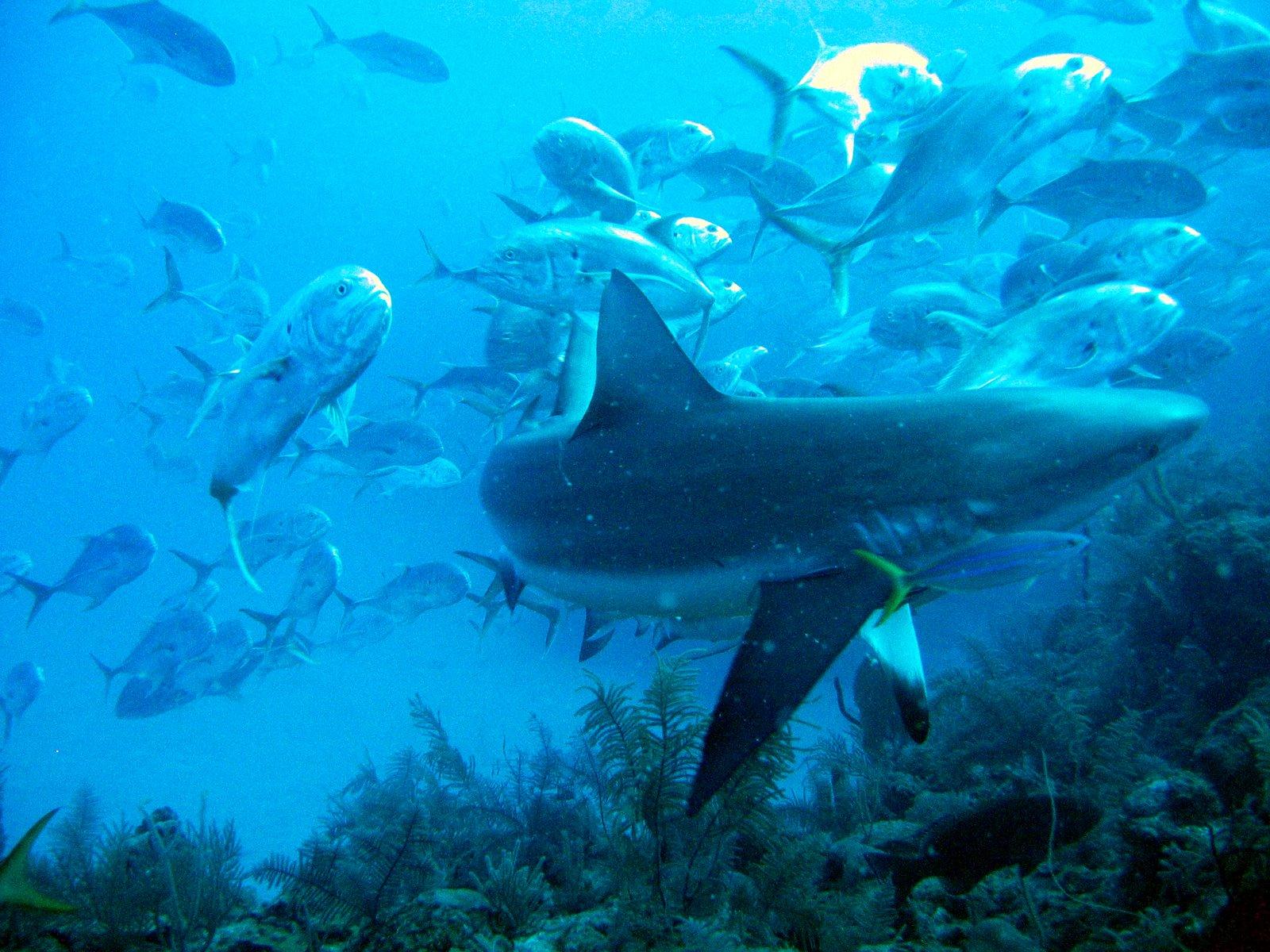
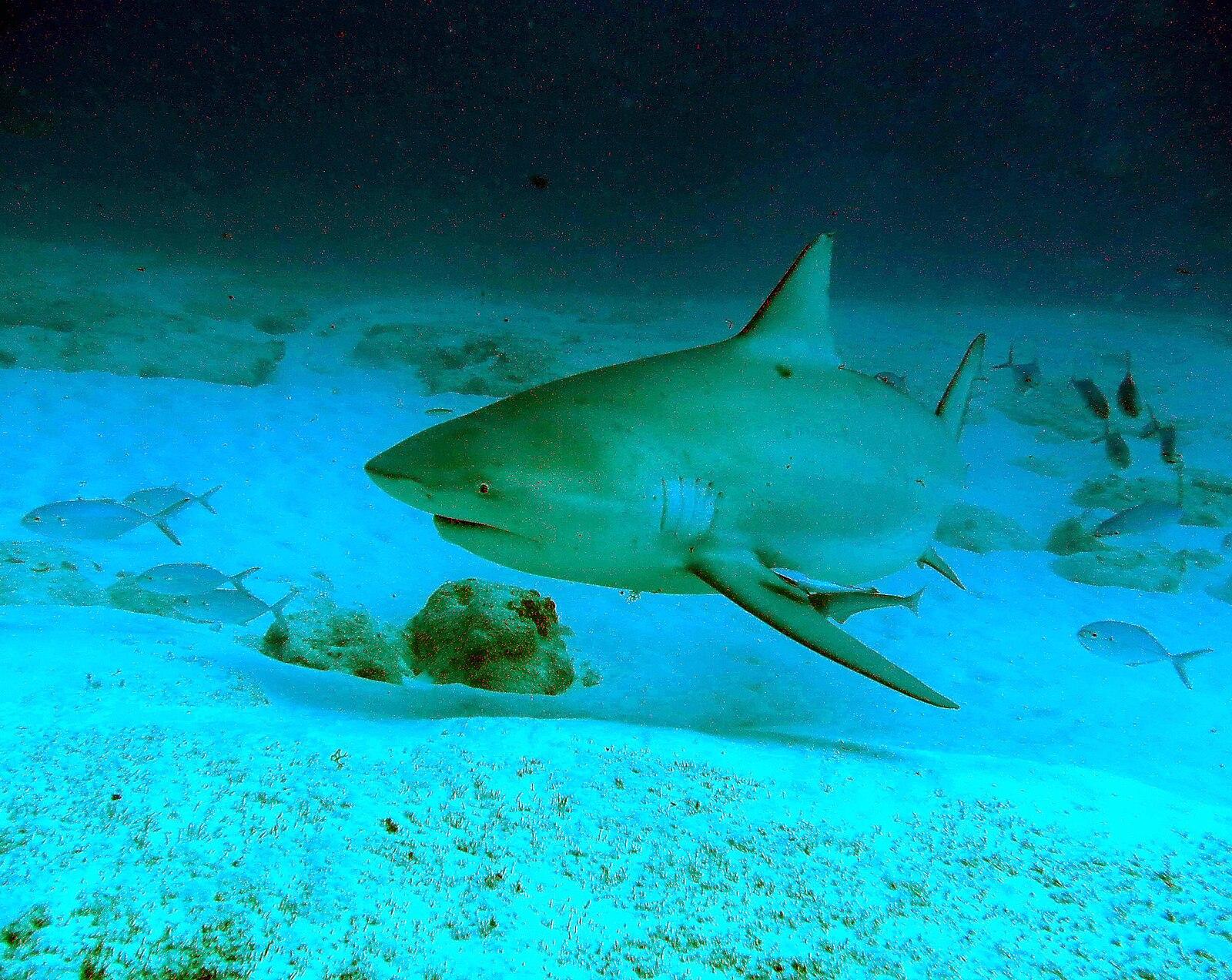
Bull sharks (Carcharhinus leucas) are globally adaptable, but only reliably gather in large numbers each winter off Playa del Carmen—just a 45-minute ferry from Cozumel (Barefoot Cozumel, Aldora Divers). In Cozumel itself, nurse sharks are much more common, with bull sharks seen opportunistically during the seasonal shift.
For anyone aiming to maximize their odds of a bull shark encounter, the regular seasonal aggregation near Playa del Carmen represents the best window. These animals are more likely to be encountered in numbers at this time of year, making the region a key destination for those seeking big-animal underwater experiences. It is not unusual for divers to arrive in Cozumel, fall in love with the vibrant reefs and curious nurse sharks, and then add a Playa bull shark dive to their itinerary as the ultimate highlight.
Given that the ferry transfer between Cozumel and Playa del Carmen is straightforward, Cozumel’s dive shops can easily coordinate your entire adventure – ferry tickets, Playa meet-ups, equipment, and all. Doing this through an experienced shop adds an element of safety and reliability that’s hard to match by booking piecemeal on your own.
If your goal is to see bull sharks, your best odds come from booking a Playa del Carmen dive, arranged via a Cozumel dive center, with all logistics handled locally and safely. Shops have established relationships with Playa guides, ensuring you are in capable hands from start to finish.
Why Playa del Carmen? What’s the Season?
From November to March, dozens of female bull sharks patrol a sandy patch off Playa del Carmen’s beach, a rare window for close encounters. Unlike Cozumel’s famous drift sites, these dives are often in modest current and at 20–25m. The event—female sharks moving in for mating and food—is tightly associated with cooler winter sea temperatures (typically 25–27°C).
Most divers come to Playa del Carmen for this spectacle, hoping for the unforgettable experience of descending through clear blue water to find large, powerful sharks circling calmly below. At these depths and temperatures, you’ll want solid exposure protection (a 3–5mm wetsuit is standard) and good buoyancy control to remain relaxed and still. The sensation of being in the water with the sharks is one of awe and respect; local guides stress the importance of collective calm and following every instruction, both for your safety and for the animals’ comfort. During peak season, sightings are regular – a big contrast to the rest of the year, when bull sharks simply move on in search of other habitats.
Bull Shark Dive Experience: Logistics and Tips
How It Works
Dive days start with a Cozumel-Playa del Carmen ferry, then a short walk or bus to the pier, and a boat transfer to the shark aggregation zone. Before diving, expect thorough briefings and a strong emphasis on safety and respectful shark interaction. Groups are small; guides supervise descent and positioning. These aren’t beginner dives: most shops require at least advanced open water certification.
Thinking about how the day flows: you’ll usually meet early on the Cozumel side, with plenty of time set aside for gear checks and paperwork. Shops often organize your ferry schedule in advance, sometimes sending a staff member along to ensure your transfer is smooth. After a scenic ride across the channel, gather with your guide—usually holding up a sign or logo for easy spotting—then head to the Playa pier. At this point, all bull shark dive gear is either provided or brought along with you. Proper exposure protection is important; the winter waters can feel much cooler than typical Cozumel dives, so packing your own reliably warm wetsuit is a great option if you run cold.
Briefings before the dive cover expected behavior: divers must remain low to the bottom, avoid sudden movements, and never pursue the sharks. Many operators provide specific hand signals for shark proximity, time to move, and group organization. You’ll learn about the importance of staying in a group, both for safety and so the sharks can clearly identify you as a non-prey presence. For first-timers, it might help ease nerves to remember: these are not feeding frenzies, but structured, calm wildlife observations.
Group sizes are almost always kept small – another important safety factor. The guides, many of whom have years of experience with these particular animals, escort the group during descent and remain close as you settle onto the sandy bottom. Divers fan out in a loose line and simply wait, minimizing disturbance. This lets the sharks approach at their own pace and on their own terms. Occasionally, encounters may go on for an exhilarating 30 minutes or more, but always under strict supervision and safety margins. Since these sites are on the deeper side, being comfortable with controlled ascents and good air management greatly enhances your overall experience.
Typical equipment includes a 3–5mm wetsuit for winter temperatures, and you should tune up your buoyancy beforehand. As a local guide, I always tell guests to move calmly: sharks are curious, not aggressive. Relaxed divers see the most natural behavior.
Don’t forget small details like a dry bag for valuables, sunglasses for the ferry rides, and your dive computer. Some shops may loan computers, but if you own one, it’s better to bring your own for familiarity and safety margins. If you’re traveling with a camera, be sure to check with your operator about best practices for using it responsibly in the presence of big animals.
Safety and Conservation: Know Before You Dive
Is It Safe?
Reputable operators in Playa del Carmen and Cozumel follow proven shark diving protocols: no chasing, stay low to the bottom, passive observation, and clear procedures for group behavior (DAN.org). Incidents are extremely rare when divers follow these policies. Dive teams prioritize both diver and animal well-being.
Before signing up for any bull shark adventure, it is always a good idea to verify that your preferred dive center’s safety and emergency protocols are up to current standards. This typically means pre-dive briefings, emergency signal reviews, a nearby medical kit, and clear guidance on what to do should a diver experience stress, anxiety, or become separated from the group. Don’t hesitate to ask your operator about their approach to diver readiness; most are happy to share the steps they’ve implemented to make these encounters both safe and memorable.
Divers are also strongly encouraged to bring their own diving insurance. Memberships with organizations such as Divers Alert Network (DAN) give peace of mind, covering unexpected medical scenarios, emergency evacuations, and dive-related incidents. Although the risk is extremely low with reputable guides, having insurance is considered best-practice for big animal dives anywhere in the world. If you’re booking with a Cozumel shop, ask if they require or recommend specific providers or additional coverage for the crossing and Playa dives.
Are These Dives Ethical?
Some Playa del Carmen bull shark dives may use controlled, qualified feeding; many also run natural observation tours. All responsible shops educate divers about local conservation and prohibit touching or harassing the animals. Ethical operators contribute to shark monitoring and marine park protections, so ask about these policies when you book.
It’s important to understand the differences between the types of bull shark dives offered. Controlled feeding dives are often managed by local shark specialists with conservation goals, and all observation processes are governed by marine park guidelines. On the other hand, many dive centers highlight natural (non-feeding) shark observation, relying on the animals’ predictable seasonal presence. Which is right for you is a matter of personal comfort and conservation values, so take time during your trip planning to discuss available options with your shop.
Responsible diving practices benefit both the bull sharks and future divers. Try to select ethical operators and always respect any codes of conduct outlined by your guide. Sometimes, proceeds from your dive may even go towards local ecological research and education. These steps reinforce the importance of thoughtful, low-impact wildlife tourism, allowing the sharks to maintain healthy behaviors and populations in the face of increasing diver interest.
If you are passionate about marine conservation, consider joining a specialty course or a local conservation project; this is a great way to deepen your connection to Cozumel’s unique marine ecosystem while supporting ongoing protection efforts for sharks and other reef animals.
Which Dive Shops? Cozumel Options Compared
Not every Cozumel outfit arranges bull shark excursions. Here’s a look at some of the dive centers in our directory and their best fit for visiting divers:
| Shop | Excursion Type | Best for | Who this isn’t for |
|---|---|---|---|
| Agua Clara Diving Cozumel | Bull shark dive + ferry coordination | Divers seeking smooth logistics and staff with Playa partners | Brand-new divers, those who dislike early starts/ferry rides |
| Blue Project Cozumel | Eco/photography focus, Playa bull sharks | Non-certified guests, those preferring only easy local reefs | |
| Cowabunga Diving | Cozumel reefs/nurse shark dives | Families, classic drift enthusiasts | Avid shark fans demanding Playa bull shark guarantee |
| Cozumel Diving MExplor | Cozumel reefs with nurse shark odds | Macro & relaxed reef divers | Divers fixated on bull shark action |
When you book through a Cozumel-based dive shop, you benefit from their vetted Playa partnerships and scheduled group departures. Operators can arrange priority bookings, coordinate your equipment transfer, and often get you access to deals or group rates not always listed on public sites. Having someone local handle the ferry and Playa logistics helps you avoid unnecessary stress, especially if your Spanish is limited or if it’s your first time traveling between the islands. If you have any doubts about what’s included (park fees, transfer timing, equipment), just ask! Experienced shops want your trip to flow as smoothly as possible.
Other Big Animal Alternatives
Nurse Shark Encounters
Cozumel’s most reliable shark dives are with nurse sharks seen at established reefs during day or night dives (Barefoot Cozumel). Bull or hammerhead sharks may appear, but these are considered rare bonuses, not expected highlights. Guides can advise on sites with the best odds based on recent sightings.
Nurse sharks, with their slow, gentle mannerisms and tendency to rest motionless on the sand, are especially popular with families and newer divers. While not as dramatic as a bull shark encounter, watching these unusual fish up close is a wonderful way to build your confidence around larger marine life. On night dives, spotting a nurse shark gliding through a beam of torchlight is a lasting memory for many guests – and a favorite subject for underwater photographers. Guides keep extensive notes about recent nurse shark spottings and can often steer you toward reefs with the best odds, always keeping diver safety and animal well-being as the top priority.
Whale Shark Snorkeling (June–Sept)
If your interest is in large gentle fish, don’t overlook the summer whale shark season north of Cozumel. Snorkel tours—not scuba—run from Isla Holbox and Isla Mujeres in the summertime (Barefoot Cozumel).
Whale shark trips, unlike bull shark dives, don’t require prior dive experience, making them accessible for anyone comfortable with snorkeling and swimming in open water. Operators provide guidance on respectful animal encounters, safe approach distances, and how to protect the region’s fragile ecosystem. These trips are ideal for multi-generational families or groups with non-divers wanting a big-animal thrill. Just remember that all interactions are snorkeling only; these gentle giants frequent the area’s plankton-rich shallows, so SCUBA is prohibited by regulation for their well-being.
Pre-Trip Tips for Bull Shark Divers
- Pack a 3–5mm wetsuit for winter dives; water temperatures drop during bull shark season.
- Double-check ferry times, group sizes, and credentials when booking with local guides.
- Carry your dive certification card, dive computer, and a dry bag for essentials.
- Brush up on controlled buoyancy and big-animal protocols before arrival.
- Always communicate any special needs with your chosen dive operator in advance.
Guide tip: Staying warm improves your air consumption and focus. Calm presence means more time with the sharks—let them come to you.
On top of these basics, it’s smart to have an up-to-date medical form and to advise your shop of any relevant conditions or medication in advance. Depending on your itinerary, you may want to plan rest days both before and after your bull shark dives to help with acclimatization, jetlag, or just to allow for unexpected weather. Bringing a backup mask, extra batteries for your dive computer or camera, and your favorite anti-fog solution can help avoid last-minute problems. If you’ve never dived in winter Caribbean waters, test your personal wetsuit in advance, or ask your operator how to rent high-quality suits on arrival.
If you haven’t dived in several months, consider taking a refresher course or doing a local reef dive as a primer before your big animal adventure. This helps shake off any rust and gets you in tune with your gear and current protocols. Many shops offer private guides or smaller group excursions on request, ideal for those seeking extra attention or with slight nerves around sharks.
It’s always a good idea to review big animal etiquette: stay low, minimize splashing, and avoid shining lights or strobes directly in the sharks’ eyes. If you’re interested in photography, discuss best practices with your guide to ensure you don’t crowd the shark or disrupt their normal behavior. This will help you get the best possible photos without impacting the animals or the experience of others in your group.
Our Recommendation
- Experienced adventure divers: Book a guided Playa del Carmen bull shark trip with Cozumel-based shops like Agua Clara Diving Cozumel or Blue Project Cozumel.
- Families/newer divers: Explore Cozumel’s top nurse shark reefs with shops such as Cowabunga Diving or Cozumel Diving MExplor.
- Eco/photography-minded: Ask about natural, non-feeding dives and reef-safe guidelines for minimal impact.
- Those new to sharks: Start with local nurse shark dives or take a specialty conservation course for added confidence.
If cozumel bull shark diving is your goal, base your choice on season, comfort, and a genuine care for the region’s sharks and reefs.
Related on Cozumel Dive Hub
Dive sites:
Courses:
More reading:
Frequently Asked Questions
Where are bull shark dives offered near Cozumel?
When should I dive for bull sharks?
Is diving with bull sharks risky?
Do I need to be advanced certified?
How does a bull shark dive from Cozumel work?
Do the dives use feeding?
What sharks do I see in Cozumel?
What about whale sharks?
Share This Article

Carmen Novelo
Carmen Novelo is a Cozumel native and an active scuba instructor and dive guide on the island. She has spent twelve years diving the Cozumel reef system, and writes about its dive sites, conditions and marine life for Cozumel Dive Hub.