SSI Courses in Cozumel
SSI training paths offered by Cozumel dive centers, with prerequisites and pricing where published.
SSI is taught widely in Cozumel, and on this island it is not a fringe alternative — several well-established shops teach SSI exclusively, and some teach both agencies side by side.
This page covers the SSI path as it is actually run here: the courses available, how the training materials work, and what to check before you commit.
How SSI Works In Practice
The structural difference visitors notice first is the materials. SSI's learning content is digital and tied to your account, which means no physical manual to carry and no separate fee for the book. Your certifications live in the app afterwards, which is convenient when a shop asks to see your card and it is on your phone.
The second difference is flexibility in how a shop sequences training. SSI gives instructors more latitude in the order skills are taught, which in practice means a good instructor can adapt to how a particular student is doing. That cuts both ways: it rewards a good shop and gives a weak one more room to be sloppy.
Both agencies' certifications are recognised worldwide and by every operator on this island. For a direct comparison, see PADI vs SSI in Cozumel.
Getting Started
Try Scuba is the introductory experience — a supervised dive with an instructor, not a certification. The equivalent of a taster session, and the right first step if you are unsure whether diving is for you at all.
Open Water Diver is the core entry certification: the qualification to dive to 18 metres with a buddy. Expect three to four days, less if you complete the digital theory before you arrive. Doing that homework in advance is the single biggest thing you can do to protect your holiday time.
Scuba Diver is the shortened version, depth-limited and always accompanied, which upgrades later.
Building On It
Advanced Adventurer is SSI's next step, built from five adventure dives rather than an examination. Cozumel suits it, because the sites most divers come here for sit deeper than the entry-level limit.
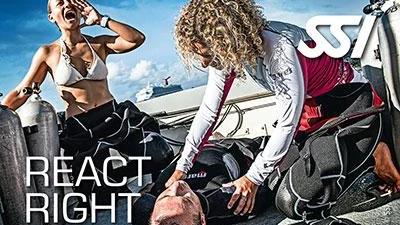
Diver Stress and Rescue is the course that most changes how people dive. It is demanding and unglamorous and worth it.
Enriched Air Nitrox deserves a specific mention here. Cozumel days are commonly two or three dives with short surface intervals, and that is precisely the pattern nitrox is designed for.
SSI also uses recognition ratings — Specialty Diver, Advanced Open Water Diver, Master Diver — awarded once you have accumulated the right combination of specialties and logged dives, rather than as courses in their own right. That trips people up: you are not signing up for "Master Diver", you are earning it.
Professional Training
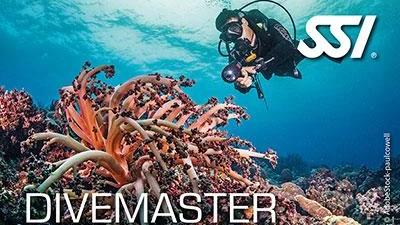
Divemaster and the instructor path both run in Cozumel through SSI. As with any agency, the shop matters more than the logo. Ask how many candidates they take at once, who mentors you day to day, and what a normal week actually looks like.
What To Ask Before You Commit
The questions worth asking a shop are the same either way: how many students per instructor, whether your instructor stays with you or hands you off, how many days the course is spread over, whether the marine park fee is included, and what happens if weather costs you a day.

Frequently Asked Questions
Is SSI as good as PADI?
Both are internationally recognised and accepted by every operator in Cozumel. The meaningful differences are in materials and course sequencing, not in the value of the certification. The shop you choose will affect your training far more than the agency will.
Can I start with SSI and continue with PADI later?
Yes. Certifications cross over between the major agencies, and a shop teaching one will generally accept a prior certification from the other. Take proof of your existing certification with you.
How long does SSI Open Water take in Cozumel?
Three to four days typically. Completing the digital theory before you travel usually brings the in-water portion down to around two and a half to three days.
Do I need to buy anything before the course?
The learning materials are digital and included, and gear is normally part of the course fee. Many divers bring their own mask regardless of agency, because fit matters and a leaking rental mask ruins a dive.
Where do the training dives happen?
Skills in a pool or a sheltered shallow site, then open-water dives on the reef — usually the calmer northern and central sites rather than the deeper southern walls. Site choice depends on the day's conditions.