
Cozumel Water Temperatures by Month (2026 Guide)
See 2026 monthly water temperatures for Cozumel. Find the best time for diving, snorkeling, and which wetsuit to pack for each season.
Carmen Novelo · July 8, 2026 · 18 min read
If you’re wondering what Cozumel’s water temperature is like throughout the year, here’s the answer upfront: in 2026, Cozumel’s sea temperatures range from 78°F (25°C) in the coolest months to 84°F (29°C) at summer’s peak. This means year-round swimming, snorkeling, and diving are not just possible—they’re comfortable. While the variation may seem slight, these changes shape everything from gear choice to wildlife sightings and the overall underwater experience.
As a long-time island guide, I’ve seen how these month-to-month shifts play out. Whether you’re planning your first Caribbean dive, deciding if you need a wetsuit, or aiming to spot eagle rays, being aware of Cozumel’s seasonal water temperatures helps you time your trip for your personal comfort and your perfect underwater moments.
Key Takeaways
- Cozumel water temperature varies from 78°F/25°C in winter to 84°F/29°C in peak summer—and is always warm enough to enjoy.
- Winter offers the clearest visibility and excellent eagle ray sightings; summer features lush marine life and coral spawning.
- Most divers wear a 3mm wetsuit in winter, switching to shorties or rash guards as the water warms from April onward.
- Late spring and summer (April–August) give the warmest water and active reefs—ideal for all experience levels.
- Rainy season (May–October) is warm but unpredictable due to showers; always check with your dive operator for real-time port status.
Understanding Cozumel’s Water Temperature Month by Month
Though Cozumel’s climate is consistently tropical, knowing the slight shifts in water temperature can make a real difference for divers and snorkelers. Here’s what to expect from month to month—and how it shapes your dive plan:
- January–February: The water is at its coolest (78°F/25°C). Visibility peaks, and currents are comfortable, making it prime time for drift diving and eagle ray sightings. A 3mm wetsuit is the staple for most.
- March–April: Slight warming to 79–80°F (26–27°C). Still great visibility, perfect for transitioning to shorties as you acclimate. Marine activity starts to pick up before the summer surge.
- May–August: The warmest period, often hitting 83–84°F (28–29°C). Many wear only rash guards or swimsuits. It’s prime for coral spawning (notably May), with thriving fish life and pleasant night dives.
- September–October: Water holds steady at 82–83°F (28°C)—very comfortable, though rain may interrupt diving. These quieter months are peaceful but come with some risk of port closures due to weather.
- November–December: Cooling slightly to 79–80°F (26–27°C). Eagle rays return, and visibility is often at its best. A light wetsuit or shorty usually suffices for most divers.
More detailed site-by-site seasonality and what to expect can be found at this local monthly guide.
How Water Temperature Shapes Your Diving Experience
Cozumel’s water temperature isn’t just a figure to check before packing—it’s a key driver for what you’ll experience underwater and how you’ll feel on the surface. Divers and snorkelers learn quickly how a two or three-degree swing can affect both comfort and what marine wildlife you’re likely to spot.
Exposure Protection
Wetsuit needs vary, but here’s a rule of thumb locals follow:
- 3mm full suit: January–March, especially for multi-dive days or if you chill easily.
- Shorty or 2mm suit: Ideal from April to June.
- Rash guard or none: July–October, unless you plan long or deep dives.
The best way to stay comfortable is to pack light layers and match your suit to your own body, not just the averages. Don’t underestimate post-dive wind chill—bring a boat towel or poncho for the ride back. Remember that you may do multiple dives per day, which can chill you progressively. Pay attention to how you personally react, as cold tolerance can differ significantly among divers, even on the same boat.
Rentals are widely available, and most reputable dive shops will advise you on the day’s conditions so you don’t get caught in the wrong gear. However, if you have sensitive skin or get cold easily, bringing your own wetsuit or extra layer can make the difference between a fun dive and a shivery one.
Marine Life Highlights by Season
Water temperature strongly influences what you’ll see underwater. Cooler months (November–March) mean eagle rays flock to favorite spots, while the May–June warm-up triggers coral spawning—a bucket-list sight and a magnet for reef fish. Turtles, nurse sharks, and colorful tropicals are ever-present but especially active through the summer heat.
Visibility is at its clearest when the water is coolest, especially in the early part of the year. This period tends to attract underwater photographers and those keen on seeing large pelagic species. As the water warms and the seasons shift towards late spring and summer, expect playful juvenile fish, busy cleaning stations, and swarming schools as the reef renews itself after spawning events. The summer months are also when you’re most likely to see turtles in larger numbers grazing on sea grass beds or lazily swimming past coral heads.
It’s worth noting that while water temperature certainly nudges some fascinating creatures into the spotlight, Cozumel’s reefs bustle with activity year-round. Even if you visit during an ‘off’ month, you’re likely to spot everything from tiny blennies peeking out of holes, to schools of grunts and snapper weaving through corals. There’s always something captivating to see.
Best Months for Diving & Snorkeling in 2026
Top Picks for Every Diver
- Best all-around: April–June offers calm seas, warm temps, and lots of reef action.
- For photographers: June–August—lush reef life, turtles, and reliable warmth for long dives.
- Eagle ray enthusiasts: December–March, especially at well-known winter sites.
- Beginner diver comfort: March–June—gentle currents, fewer storms, warm water.
- Advanced & night/blackwater divers: May–September, when water is warmest and night life is active.
Planning a trip for a specific highlight—like eagle rays in winter or spawning in late spring—helps you line up your itinerary with the magic below the surface. If you’re coming with a group, aim for the transition months around spring or fall. Visibility is excellent, water is neither too cold nor warm, and the reefs offer a balance of crowds and solitude.
Site Highlights by Season
- Cantarel: Winter eagle ray hotspot.
- Chankanaab & Colombia Shallows: Best in warm months for snorkeling and macro photography.
- C-53 Wreck: Accessible year-round; adapt your exposure suit to match the temperature.
If you’re hoping to tailor your trip to a particular site or experience, connect with a dive operator before your trip.Many shops will group divers by interest and skill level, so mentioning your bucket-list goals up front is always smart.
Comparing Seasons, Sites & Gear for Cozumel in 2026
| Season or Site | Water Temp | Best For | Who this isn't for |
|---|---|---|---|
| Winter (Dec–Feb) | 78–79°F (25–26°C) | Eagle ray sightings, clearest visibility | Those who get cold easily or dislike wetsuits |
| Spring (Mar–May) | 80–82°F (27–28°C) | Balanced diving, reef activity | Visitors wanting total solitude; it’s a busier season |
| Summer (June–Aug) | 83–84°F (28–29°C) | Photography, snorkeling, long dives | If you dislike humid air or prefer brisker water |
| Rainy Season (Sept–Oct) | 82–83°F (28°C) | Uncrowded dives, advanced experience | Anyone needing guaranteed port access |
| Colombia Shallows | 78–84°F (25–29°C) | Shallow snorkeling, summer warmth | Divers seeking wrecks or depth |
| C-53 Wreck | Matches season | Wreck fans, all skill levels | Absolute beginners, or those wary of enclosed spaces |
Recommended Exposure Protection By Month
- January–March: 3mm full suit for comfort.
- April–June: Shorty, 2mm, or skin for most dives.
- July–October: Rash guard or swimsuit is often sufficient.
- November–December: Return to a 3mm suit as the water cools.
My advice: always pack for your personal comfort. Actual conditions can swing a bit based on cold fronts, recent storms, or especially long dive days. After a couple dives, you’ll know exactly what works for your body.
Some divers, especially those planning long single dives, can get away with lighter protection even in shoulder months, while others who dive multiple times a day are thankful for an extra thermal layer. It can also help to bring a thin hood or vest as backup, which takes up little luggage space but makes a big difference if needed.
Trip Planning: What to Expect & How to Prepare
Booking your Cozumel diving or snorkeling adventure usually starts online, with most operators offering advance reservations and last-minute spots (dependent on weather and boat capacity). When planning for water temperatures, always check with your shop about recent conditions—the ocean can swing a degree or two after cold fronts or big rainstorms, especially in winter. Ideally, bring a wetsuit or shorty from home if you’re particular about fit. Rentals in all sizes and thicknesses (including children’s) are available at nearly all dive centers in our directory.
When arranging your trip, try to allow for an extra day or two beyond your planned dives. With the Caribbean’s sometimes variable weather, this buffer helps ensure you won’t miss out on a top site if the port closes for a day, especially during the rainy season. Most dive shops quickly reschedule missed dives, offering rain checks or refunds depending on the circumstances. It’s also helpful to book accommodations with drying space for wetsuits, especially if you’re diving several consecutive days, as the humidity can slow drying times.
Remember to check your travel and dive insurance documents before arrival. Agencies such as DAN can provide information on coverage for medical emergencies, lost dive days, or even missed flights due to port closures. For any guided underwater activity, proof of certification—along with a current logbook or record of recent dives—is usually expected.
If you’re new to Cozumel, group dives typically run daily in the morning (when the water is clearest and calmest), with second or third dives arranged for the afternoon or night. It’s common to sign up the day before your trip. Always let your shop know if you run cold or warm, as they’ll help make sure you’re grouped with similar divers for comfort and pace.
Rainy Season, Currents & Port Closures
Rainy Season (May–October)
September and October bring most rain, though showers are brief. Water remains warm (82–83°F/28°C), but stronger winds can cause the harbormaster to close the port temporarily, especially with high swells. Most dive shops simply offer a rain check or reschedule—you’ll rarely miss more than a day if you have flexible plans.
Locals know that rain on Cozumel, even in peak season, is often short-lived and the sun typically returns within hours. If rain is in the forecast, trips rarely get called off unless there are lightning storms, strong winds, or large swells. When the port is closed, shore excursions, mainland trips, or cultural activities are great alternatives. It’s wise to keep some flexibility in your itinerary, especially during fall visits.
Currents & Drift Safety
Currents are a signature of Cozumel—generally gentle but most energetic from December to April. Drift diving here is exciting, easy, and safe so long as you stay close to your guide and know basic current etiquette. Summer’s calmer drifts are a plus for newcomers and underwater photographers.
For many divers, drifting along Cozumel’s reefs is a highlight—allowing you to cover large areas with little effort. Listen carefully to the dive briefing; guides will explain current direction, what to do if you get separated, and how to use a surface marker buoy (SMB) if you end your dive apart from the group. Stay behind or next to your guide as instructed, and keep an eye on your proximity to both the reef and your buddy. Practice relaxed, horizontal trim to avoid accidental contact with coral during stronger flows.
If this is your first drift dive, don’t hesitate to ask for extra tips. Most shops and guides are happy to review the basics and help you build confidence in Cozumel’s signature conditions.
Conservation Reminders & Pre-Trip Checklist
- Always use reef-safe sunscreen; avoid touching coral or marine life.
- Inspect your exposure suit for fit before leaving home—layers and comfort matter.
- Keep single-use plastics off the boat or beach to protect these thriving reefs.
- Don’t chase sea life—patience makes for better photos and sightings.
Checklist: Pack at least two layers of exposure protection, verify your operator’s storm policy during the rainy season, bring or rent a dive computer, and save emergency contacts in your phone.
Ocean conservation is an important part of diving in Cozumel. Choosing reef-safe sunscreen, never stepping on or touching coral, and reducing plastic waste help keep these habitats healthy for future generations. Consider bringing a reusable water bottle and dry bag for the boat. Familiarize yourself with your gear’s buoyancy before heading out—good trim prevents unintentional contact with fragile reef sections.
If you’re feeling inspired to give back, ask your dive shop about seasonal reef clean-up days or informal participation in conservation efforts. Even small actions add up, and local dive operators are closely connected to marine park management and conservation groups.
Our Recommendation
For the best Cozumel water temperature in 2026, here’s my guide:
- Beginner divers/families: March–June for warm water and tame drift.
- Photographers and wildlife lovers: May–August for spawning and active reefs.
- Eagle ray seekers/advanced divers: December–March for cool water and classic winter wildlife.
- Wreck and adventure seekers: C-53 wreck is ready year-round—just match your exposure to the season.
Cozumel’s reputation as a warm-water all-year dive destination is well earned. With a bit of planning for your gear and marine interests, you’ll find every month is magical below the surface.
From my own experience working with the shops we cover, some of the best dive memories come not just from perfect conditions, but from embracing what the season has to offer—stormy surface weather often means glassy, calm water the next day, while rainy afternoons clear out crowds for stunning sunset dives. If your schedule allows, stay flexible and let the island show you its seasonal rhythm.
If you ever have a concern about gear, temperature, or what to expect, lean on your dive operator’s insights. Most shops are glad to answer questions in advance—sometimes even setting aside backup gear or reserving a thicker wetsuit if you let them know your needs ahead of time. Everyone wants you to enjoy your underwater time to the fullest!
Related on Cozumel Dive Hub
Dive sites:
- Barracuda Reef Cozumel: Advanced Drift Dive Site
- C-53 Shipwreck Dive Site
- Cantarel Cozumel – Seasonal Eagle Ray Diving
- Casa Blanca Cozumel: Complete Dive Site Guide
Dive shops:
Courses:
- PADI Advanced Open Water Diver Course in Cozumel
- PADI Digital Underwater Photographer Course in Cozumel
More reading:
- Best Time to Dive Cozumel: Conditions Month by Month
- Colombia Reef Cozumel: A Complete Guide to the Island's Underwater Cathedral
- Discover Scuba Diving Cozumel: Your First Underwater Adventure in 2026
- Can You Learn to Dive in Cozumel if You Wear Glasses? A Clear Guide to Underwater Vision
- Cozumel Dive Briefing: What to Expect Before You Hit the Water
Trusted resources: PADI, SSI, and DAN (Divers Alert Network).
Plan Your Cozumel Dive Trip Ask Us A Question
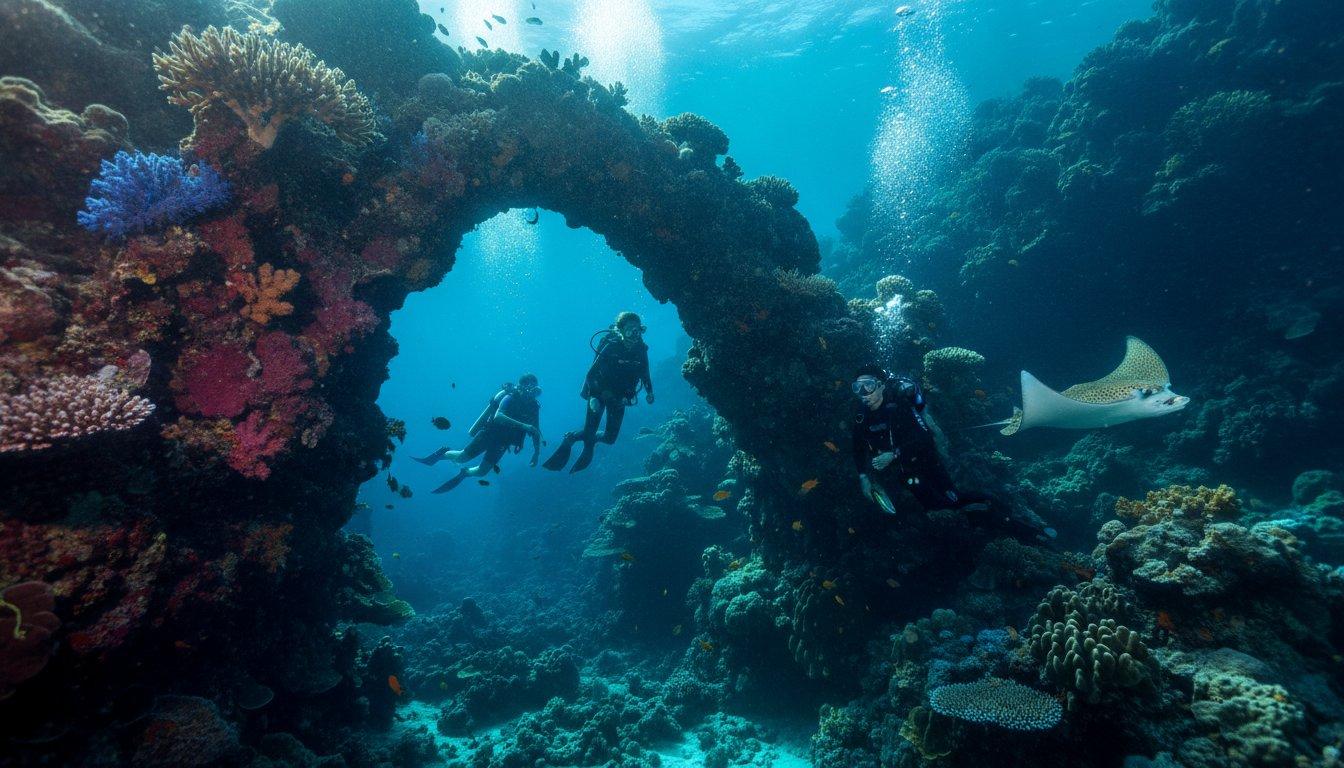
Photo: the manta ray had a family — Public domain — via Wikimedia (https://en.wikipedia.org/wiki/Spotted_eagle_ray)
Frequently Asked Questions
What is Cozumel’s water temperature in winter vs. summer?
Do I always need a wetsuit in Cozumel?
When does the water feel warmest for snorkeling?
Does water temperature affect visibility?
When do eagle rays appear?
How does rain affect diving and water temperature?
Will I need a wetsuit for night or blackwater dives?
Where can I learn more and check real-time temps?
Is the C-53 shipwreck diveable year-round?
Share This Article

Carmen Novelo
Carmen Novelo is a Cozumel native and an active scuba instructor and dive guide on the island. She has spent twelve years diving the Cozumel reef system, and writes about its dive sites, conditions and marine life for Cozumel Dive Hub.