Top Cozumel Adventures for Your No Dive Days
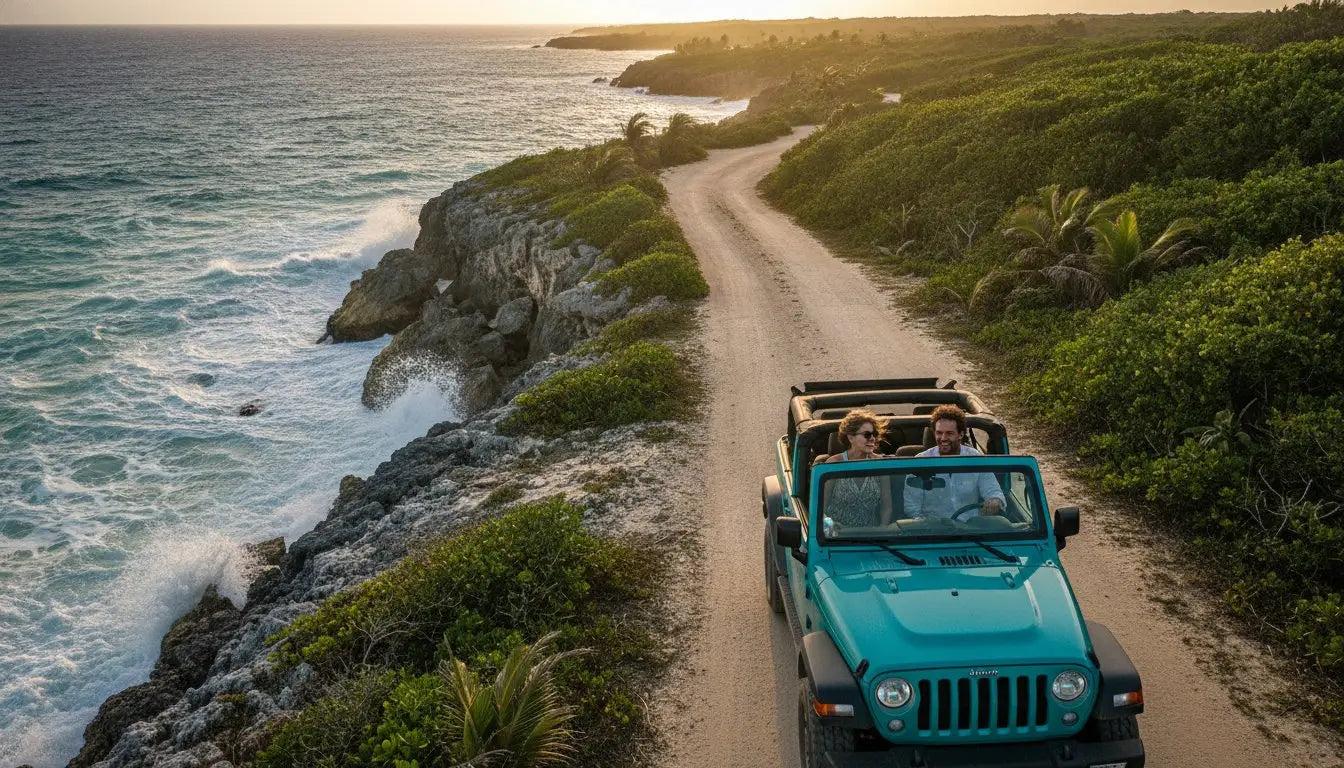
Cozumel's land side splits into three: the sheltered west coast and San Miguel, the wild undeveloped east coast, and an interior holding San Gervasio and the Punta Sur lagoons. A rental car covers all three in one day.
Carmen Novelo · June 8, 2026 · 17 min read
Cozumel works as a destination without a tank. The land side divides into three parts: a sheltered west coast of beach clubs, calm shallows and the town of San Miguel; a wild, undeveloped east coast of surf, empty sand and almost no services; and an interior holding the San Gervasio Maya site, the lagoons at Punta Sur and the villages between them. A rental car or a couple of taxis covers all three in a single day.
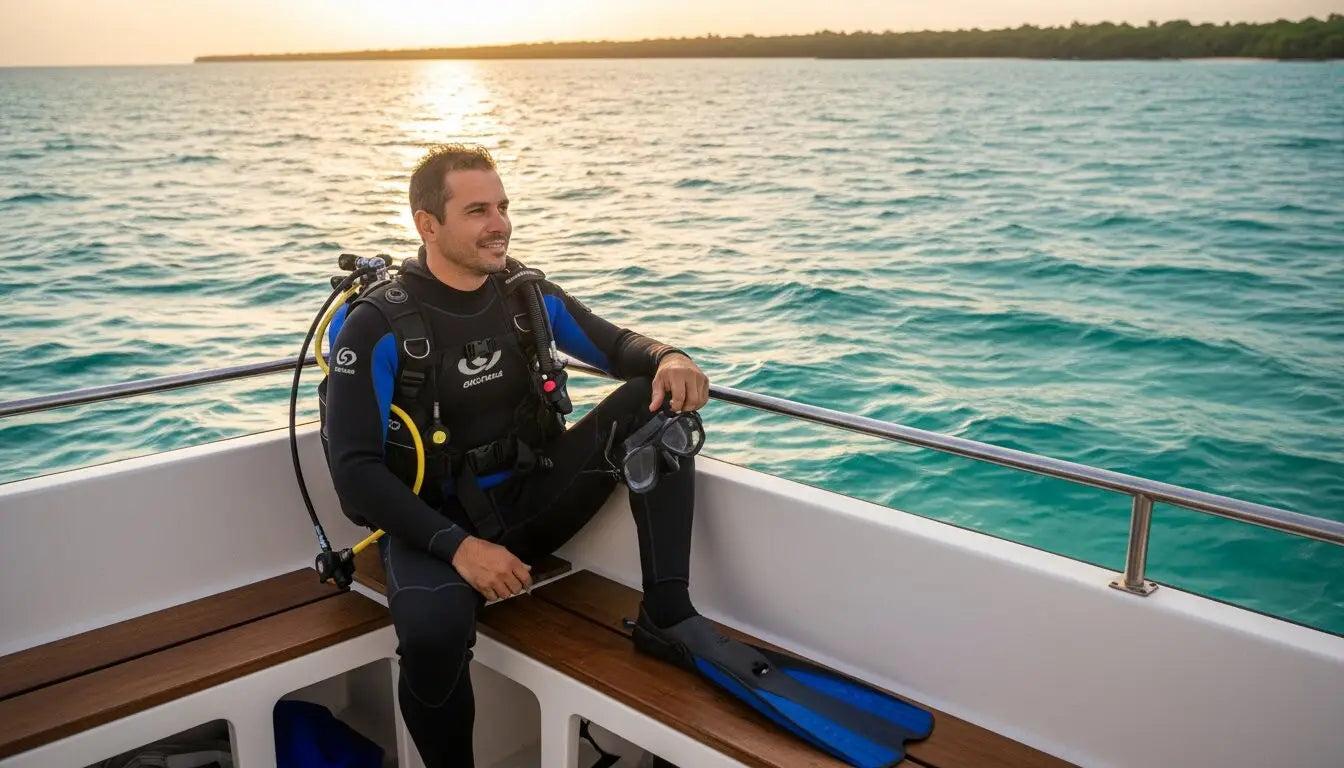
Two different readers end up on this page. If you are the non-diving half of a dive trip, everything below is open to you every day of the week. If you are a diver on a surface interval, or on the dry day before a flight, the same list applies with one constraint attached: stay at sea level and stay off hard exertion. That constraint is explained below, because it is the reason experienced divers deliberately plan a dry last day rather than losing it to boredom.
Is Cozumel Worth Visiting If You Don't Dive?
Yes, with one honest caveat. Cozumel is not a ruins destination on the scale of the mainland, and it is not a nightlife island. What it has is a calm leeward coast where the water is clear enough to snorkel straight off the sand, an undeveloped windward coast that looks like the Caribbean before hotels, a working Mexican town that is not only a cruise port, and short distances between all of them. If your idea of a good day is a beach, a drive, a ruin and a very good taco, the island delivers all four before dark.
Where it disappoints is if you expect a resort circuit of theme parks and big attractions. Two or three days of land activity is comfortable; a full week without getting in the water starts to repeat itself unless you like doing nothing very much, which is a legitimate plan here.
Why Divers Keep The Last Day Dry
Diving loads your tissues with dissolved nitrogen. At the surface that nitrogen comes back out gradually — off-gassing — and until it has, the ambient pressure around you has to stay where it is. A commercial aircraft cabin is pressurised to the equivalent of a substantial altitude, not to sea level, so boarding a flight too soon drops the pressure on a body that is still carrying a nitrogen load. That is a recognised route to decompression sickness, and it happens on the plane, hours after a dive that felt completely normal.
The commonly taught minimums are a minimum of 12 hours before flying after a single no-decompression dive and 18 hours or more after multiple dives or several days of repetitive diving. Plenty of divers simply allow a full 24 hours, which on a week-long trip means one deliberate dry day at the end. Confirm the current guidance against your training agency and your computer's own rule — our flying after diving guide goes through it in detail.
The good news for Cozumel specifically: the island is flat. Nothing you can drive to here gains meaningful altitude, so the entire itinerary below is compatible with a pre-flight day.
What Is Safe On A Surface Interval, And What Is Not?
| Activity | On a surface interval or pre-flight day | Why |
|---|---|---|
| Snorkelling from shore or boat | Fine | Breath-hold at the surface adds no compressed gas at depth |
| Swimming, kayaking, paddleboarding, beach club | Fine | Sea level, moderate effort |
| Ferry to Playa del Carmen | Fine | A sea-level crossing, no altitude involved |
| Driving the island, San Gervasio, Punta Sur | Fine | Cozumel is flat — the high point is trivial |
| Zip lines, jet skis, long rides in full heat | Caution | Hard exertion and dehydration are recognised contributing factors for DCS |
| Mainland cenote diving | No | It is another dive, and it restarts the clock entirely |
| Tall mainland ruins and inland altitude trips | No | Gains real altitude while you are still off-gassing |
| Flying | Only after the full pre-flight interval | The whole reason the day is dry |
The West Side: Calm Water, Beach Clubs And El Cielo
The island shelters its own western shore from the prevailing easterly wind, which is why every dive boat, beach club and snorkel spot sits on that side. The water is usually flat, and in most places you can walk in off a dock or a patch of sand and be over living reef within a few minutes.
Beach clubs run the full range, from a plastic chair and a beer to full-service places with pools, restaurants and a day rate. Some charge admission, some waive it against a food and drink minimum, and the difference matters more than the headline price — ask which model applies before you sit down. The beach clubs directory lists what is on the island and where.
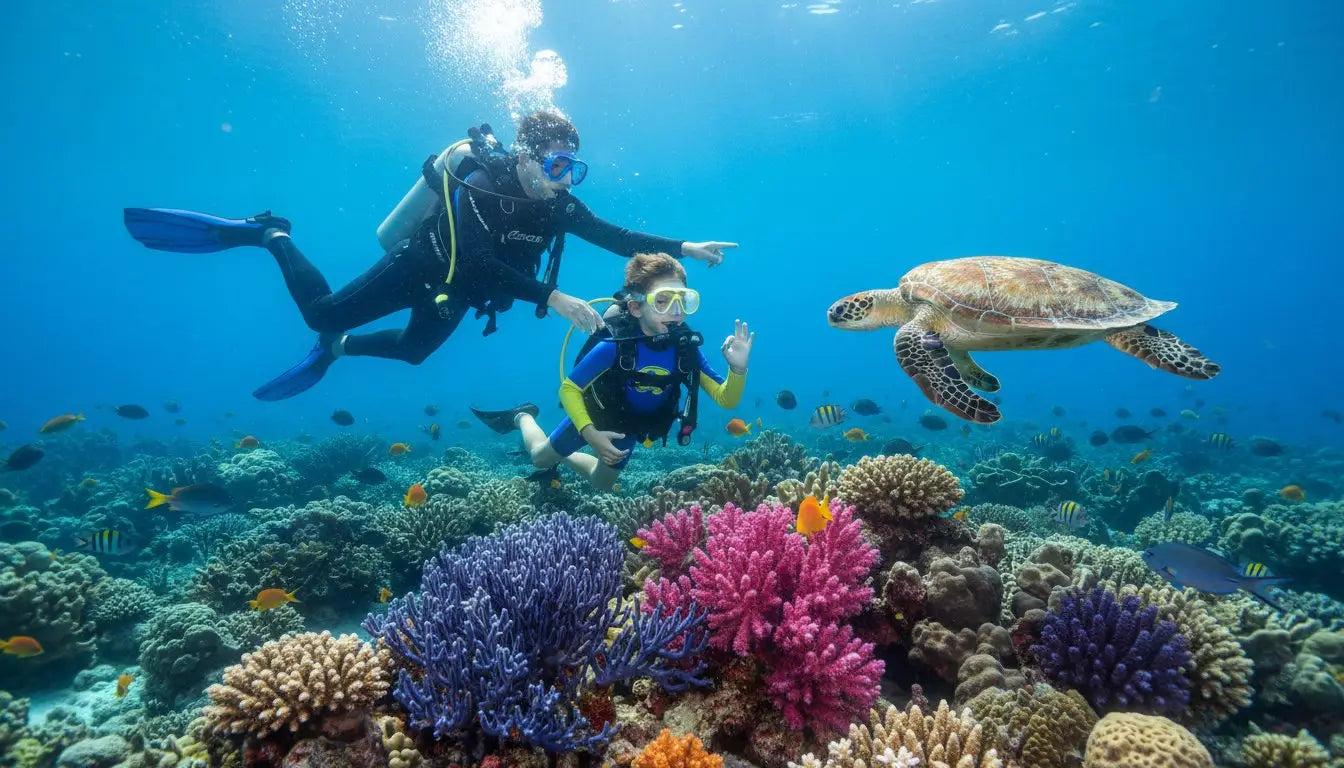
Shore snorkelling is the single best non-diving activity here, and it is free or close to it in several spots along the southwest coast. Our guide to the best places to snorkel in Cozumel covers where the entries actually are, and the full snorkelling guide covers gear and conditions.
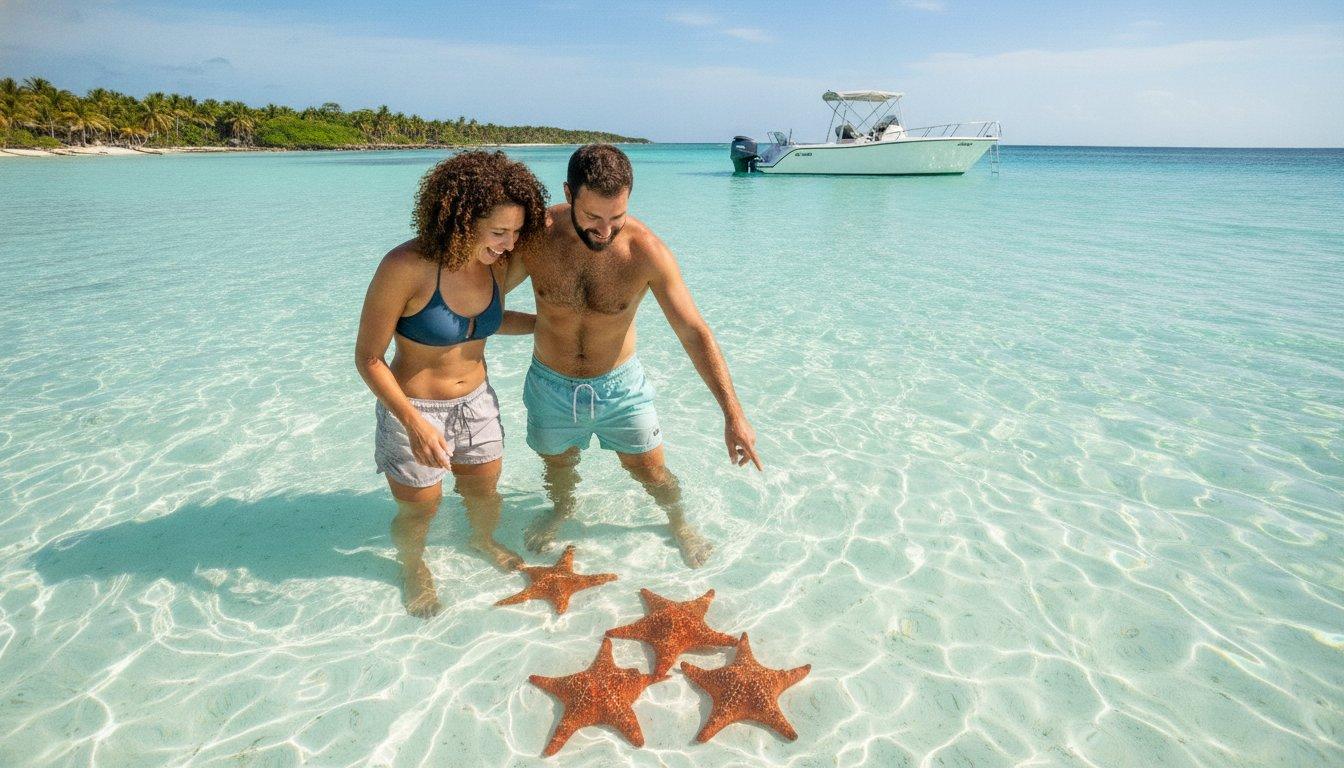
El Cielo is the shallow sandbar off the southwest tip, reachable only by boat, where the water is waist-deep and clear and the sand is covered in starfish. It is genuinely lovely and it is genuinely protected: starfish must stay in the water, and lifting one out for a photo kills it. See the El Cielo guide for how the boat trips work.
The East Coast: The Wild Side
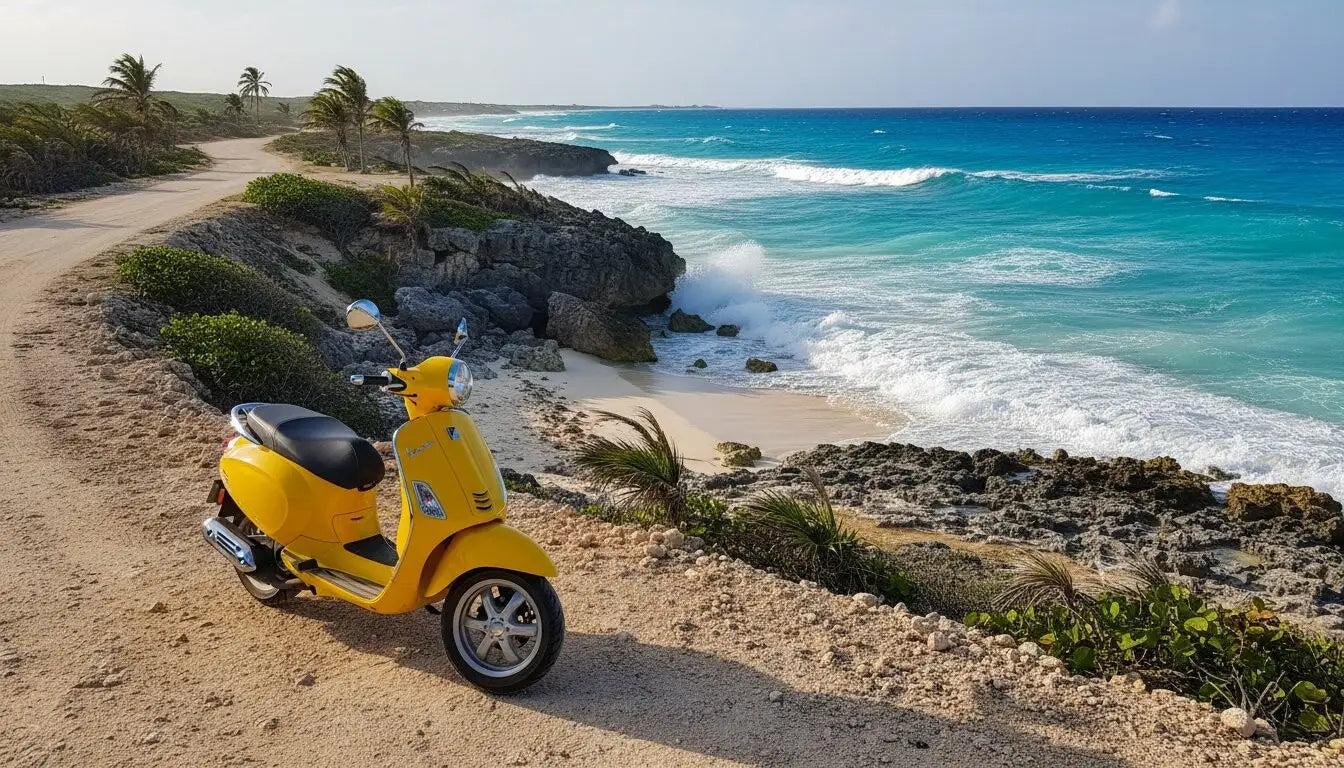
The windward coast faces the open Caribbean and has essentially no development — no hotels, no resorts, a handful of beach bars running on generators and solar, and long stretches of empty sand between them. Driving the coast road is the best half-day on the island for anyone who likes emptiness.
Three practical warnings, none of which are on the postcard:
Most of it is not swimmable. Shore break and rip currents on the exposed beaches are serious, and there are no lifeguards. The exceptions are the sheltered natural pools — Chen Rio and a small number of similar coves — where the water is protected by rock and calm enough to float in. If a beach bar tells you not to swim in front of it, believe them.
There are no services. No fuel, no cash machines, no reliable phone signal for a long stretch, and no streetlights after dark. Fill up before you leave town, carry pesos in cash, download the map offline and plan to be back on the west side by sunset.
Turtles nest here. The eastern beaches are nesting ground through the summer season. Marked nests are fenced for a reason, and lights and vehicles on the sand at night do real damage.
San Gervasio And El Cedral: The Island's Maya Sites
San Gervasio, in the interior, was a sanctuary of Ixchel and one of the pilgrimage destinations of the pre-conquest Maya world. Expect low stone structures set among jungle paths rather than tall pyramids, allow about two hours, take insect repellent and bring cash for the entrance — the fee is set by the site and changes, so check on arrival rather than trusting a number online.
El Cedral, inland from the southwest coast, is the oldest settlement on the island: a very small ruin beside a village that still holds the island's biggest traditional festival each spring.
Set expectations honestly. Cozumel's sites are modest next to Tulum or Chichén Itzá on the mainland. You can reach those by ferry and a long day of driving, but it consumes an entire day of your trip — and if you are a diver counting down to a flight, the tall mainland structures are exactly what the altitude rule excludes.
San Miguel: Eating, Markets And Sunday Evenings
The waterfront near the cruise piers is priced for cruise traffic. Walk four to six blocks inland and the island changes: family loncherías, cochinita pibil, tacos al pastor, ceviche, and prices set for people who live here. The municipal market is the cheapest lunch in town and one of the better ones, and the taquerías locals actually use are in these same blocks.
Lionfish on a menu is worth ordering. It is an invasive predator on this reef system, it is speared to control it, and eating it is one of the few genuinely useful things a visitor can do with a fork.
Sunday evening in the main square is the island's own ritual rather than a tourist event — families, food carts, and often a municipal band. It costs nothing and it is the most local hour of the week.
Cruise schedules also shape the town. On a three or four-ship day, downtown and the nearer beach clubs are busy until mid-afternoon and quiet after; if you want the town to yourself, go late. The eat and drink directory covers where to go.
The Parks: Punta Sur, Chankanaab And The Lighthouse
Punta Sur Eco Beach Park occupies the southern tip: a lagoon system with crocodiles and wading birds, the Celarain lighthouse with a climb and a view over the whole southern reef line, a small nautical museum and a quiet beach at the end of the track. Take cash, water and repellent, and give it most of a day.
Chankanaab is the manicured option on the west coast — botanical garden, easy shore snorkelling over a protected shallow reef, chairs and food on site. It suits mixed groups and families where not everyone wants the same thing from the day.
Both, plus the tour operators and excursions, are in the activities and tours directory.
Getting Around Without A Dive Boat
Taxis are everywhere and do not use meters — fares are set by zone. Agree the fare before the door closes and carry pesos; cash is normal.
A rental car is the only comfortable way to do the east coast loop, and the loop is short enough to drive in a morning with stops. Fuel is sold in and around town, not on the wild side.
Scooters are cheap and popular and account for a large share of visitor injuries here. Sand on tarmac, sudden rain and drivers who have never ridden before are the usual combination. If you do not ride at home, do not learn on holiday.
The getting around directory has the operators, and where to stay matters more than people expect — a hotel in town and a hotel on the southern coast produce completely different days.
Two Ways To Spend One Day
| Non-diver's day | Diver's dry day | |
|---|---|---|
| Morning | Drive the east coast: coffee in town, then the coast road with stops | Shore snorkel on the west coast while the boats are out — sea level, no tank |
| Midday | Lunch at a windward beach bar, swim only in a protected cove | San Gervasio in the shade, or lunch inland in San Miguel |
| Afternoon | San Gervasio on the way back, then a beach club on the west side | Punta Sur: lagoon, lighthouse, empty beach — all flat, all dry |
| Evening | Tacos inland, then the main square | Same, plus packing gear that is properly rinsed and dry |
Where To Look Things Up
The Explore Cozumel directory is the island side of this site: beach clubs, eat and drink, activities and tours, getting around and where to stay.
If the non-diver in the group is starting to wonder about the water, snorkelling versus diving sets out what each one actually involves. If you are the diver, the certified diver's blueprint shows how to build a week that leaves the last day dry on purpose, and plan your dive trip covers the logistics around it.
Book It Yourself, Independently
Everything above can be arranged directly with island operators rather than through a ship or hotel desk.
- Deep-sea fishing charters — half-day and full-day boats out of the marinas.
- Boat and sailing trips — reef stops, sandbars and sunset runs.
- ATV and jungle tours — the inland half of the island.
Getting there is the easy part: private transfers and island pickups cover arrivals, hotel runs and the trip back to the airport.
Frequently Asked Questions
Is Cozumel worth visiting if you don't scuba dive?
How long should you wait to fly after diving in Cozumel?
Can you snorkel on a no-dive day before flying?
Can you visit the mainland on a surface interval day?
Is it safe to swim on the east coast of Cozumel?
Are the Maya ruins on Cozumel worth visiting?
What is the best way to get around Cozumel without a car?
Is renting a scooter in Cozumel a good idea?
Can a non-diver come along on the dive boat?
What is there to do in Cozumel in the evening?
Share This Article
Carmen Novelo
Carmen Novelo is a Cozumel native and an active scuba instructor and dive guide on the island. She has spent twelve years diving the Cozumel reef system, and writes about its dive sites, conditions and marine life for Cozumel Dive Hub.