
Punta Sur Cozumel: The Eco Park Above The Island's Most Famous Dive Site
Punta Sur Eco Park sits directly above Devil's Throat and Colombia. A practical guide to the lighthouse, the lagoon, the reef and how to fit the park around a diving trip.
Luisa Carmona · September 30, 2026 · 9 min read
Most divers know Punta Sur as a name on a dive briefing. It is the southern tip of the island, the stretch of reef that holds Devil's Throat and the Punta Sur reef, and the site most Cozumel divers are told to work up to rather than start with.
What far fewer divers realise is that the land directly above those reefs is a protected park you can walk into. Parque Punta Sur — also called the Faro Celarain Eco Park — occupies the whole southern point. The lighthouse you can see from the boat on the way down is inside it. So is a lagoon full of crocodiles, a Maya temple, a nesting beach for sea turtles, and some of the quietest shore snorkelling on the island.
This is a guide to the park itself, written for people who are on Cozumel to dive. It covers what is actually inside it, when to go, how it fits around a dive schedule, and where it is worth your time versus where it is not.
What Punta Sur Actually Is
Punta Sur is an ecological reserve at the southern end of Cozumel, at roughly 20°17′N 86°59′W. It is a genuine protected area rather than a resort with a nature theme — the reefs off its shore form part of the Arrecifes de Cozumel National Park, and the beaches inside it are protected to allow sea turtles to nest.
Sources disagree on its size. The park operator describes it as covering over 1,000 hectares; Wikipedia gives 247 acres, roughly 100 hectares. We have not been able to reconcile those figures, so treat any area number you read — including both of those — as unverified.
What is not in dispute is what is inside it: low forest, a lagoon system, several beaches, a lighthouse, a small museum, a Maya structure, and a fringing reef.
The Celarain Lighthouse And The Navigation Museum
The Faro Celarain sits on the promontory at the very tip of the island. You can climb it, and on a clear day the view covers the southern reefs, the lagoon behind you and the open channel where the current runs.
At its base is a small navigation museum. It is modest — expect thirty to forty minutes rather than an afternoon — but it is the one place on the island that puts Cozumel's maritime history in front of you rather than leaving it as background colour.
For divers, the lighthouse is worth the climb for one specific reason: it is the clearest way to understand the geography you have been diving. From up there the drop-off, the reef line and the direction of the current stop being abstractions on a briefing slate.
El Caracol, And The Myth Attached To It
Inside the park is a small Maya structure known as El Caracol, or the Tumba del Caracol, built during the post-classic period.
You will hear two stories about it locally: that it was an early warning system that whistled when hurricane winds passed through its shells, and that it functioned as a lighthouse or navigation beacon. Both are repeated constantly and both are wrong. It was a temple. That is all it was.
We mention this because you will almost certainly be told one of the two versions, and because getting it right is the sort of thing a guide should do.
Laguna Colombia And The Crocodiles
Behind the beaches sits the Colombia lagoon, a brackish system that is the reason the park exists as a reserve rather than a beach club.
There is an observation tower over it. Crocodiles are the draw, and they are genuinely there — this is not a stocked attraction. Birdlife is the quieter reward: the lagoon is one of the better birdwatching spots on Cozumel, and the tower gives you the elevation to actually use binoculars properly.
The operator runs a catamaran trip on the lagoon, "El Tatich", which is included with entry. If you have an hour and no fixed plans, it is a reasonable way to see the system from the water.
A word on the crocodiles. They are wild animals in their own habitat. Stay on the tower and the marked trails, do not approach the water's edge to get a better photograph, and follow whatever the park staff tell you. This is not somewhere to improvise.
The Beaches And The Snorkelling
The park has several beaches — Playa Bahía Azul, Anémona de Mar and Playa del Cielo among them — and a fringing reef close enough to swim to from shore.
This matters if you are a diver with a non-diving partner, or if you are on a mandatory surface interval and do not want to spend it in town. The snorkelling here is calm, shallow and genuinely good, with sea fan gardens on the inner reef. Snorkel gear can be rented inside the park if you have not brought your own.
It is also one of the few places on Cozumel where you can get in the water from a beach rather than a boat without it being a compromise.
Do not confuse the shore snorkelling with the diving. The reef you snorkel from the beach and the walls the boats drop you on are different pieces of water entirely. Devil's Throat is an advanced dive with a real depth and current profile, reached by boat, and nothing about a morning at the park prepares you for it.
How It Fits Around A Dive Trip
The park is open Monday to Saturday, 9:00am to 4:00pm. That is the single most useful fact on this page, because it rules out the plan most divers default to.
A standard Cozumel two-tank morning has you back at the pier somewhere between midday and 2pm. That leaves a genuine window — the park is roughly a 30 to 45 minute drive from downtown depending on where you start and what you are driving, so an afternoon visit is comfortable if you leave promptly.
What does not work:
- A no-fly day squeezed in on a Sunday. The park is closed.
- Arriving after 3pm. You will be rushed, and the lighthouse and lagoon both deserve more than the tail of a day.
- Treating it as a rest day if you plan to dive at 8am the next morning. It is a long day in strong sun, and dehydration is dehydration whether you got it on a boat or on a trail.
The most sensible slot is a dedicated non-diving day, or the last day of a trip when you are off-gassing before a flight. See the full trip planning guide for fitting it into a week.
Getting There
The park sits at the southern end of the coastal road, past the main hotel strip and the southern dive piers.
- Scooter or rental car — the most flexible option, and the one that lets you stop at the east-coast beaches on the way back
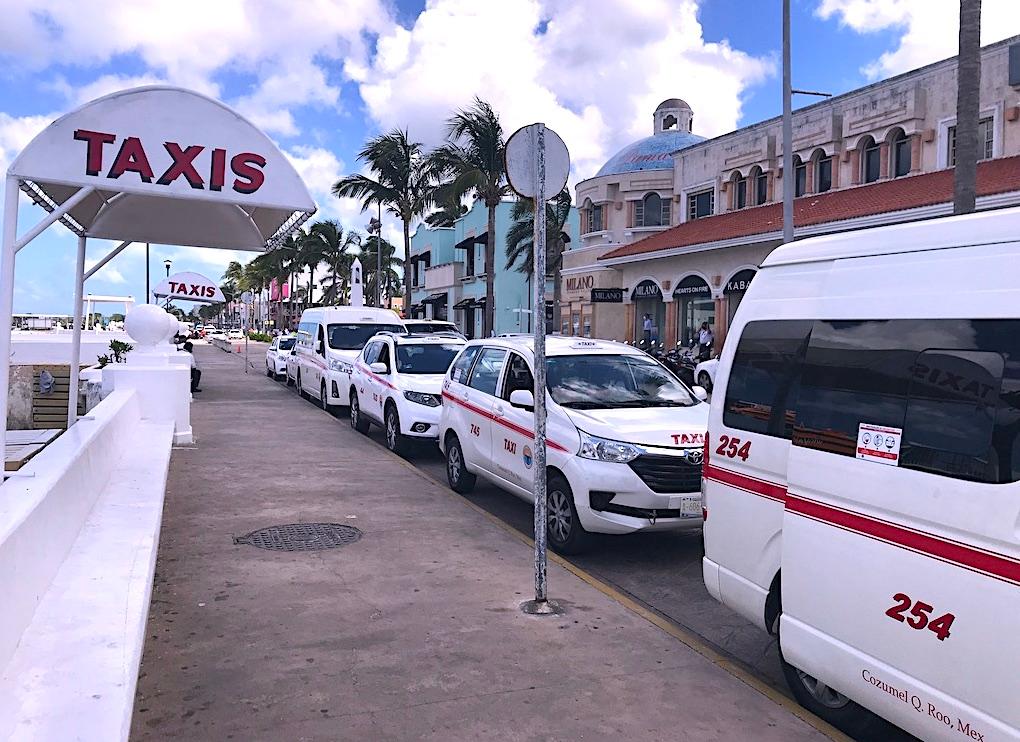
- Taxi — straightforward, but agree the fare before you get in and arrange the return, as taxis do not wait around at the park entrance. Our taxi zones guide explains how the zone system works
- Organised excursion — the simplest option if you are on a cruise call and short on time
Admission is charged per person, with a reduced rate for children and free entry for the youngest. Rates change, so check the official park site for the current figures rather than any number quoted in a blog post, including this one.
Included in entry are the lighthouse and museum, the Maya structure, the observation tower, the nature trail, the beaches, the catamaran ride, hammocks and beach chairs, parking, showers and changing rooms. Massages, kayak and paddleboard rental, snorkel gear and the food and drink outlets are all charged separately.
What To Bring
- Reef-safe sunscreen. Non-negotiable in a protected area, and the rule is enforced
- Water, more than you think. There is shade in the forest sections and almost none on the point
- Proper footwear for the trails. Flip-flops are fine on the beach and poor everywhere else
- Binoculars if you care at all about birds
- Cash, for the extras and in case card systems are down
Is It Worth It For A Diver?
Honestly: it depends what kind of trip you are having.
If you are on a five-day dive-every-morning schedule and you have been to Cozumel before, the park is optional. You will see more of the island's character in a day spent on the east coast.
If it is your first trip, or you are travelling with someone who does not dive, or you want one day that is not organised around tanks and boat times, it is the best single non-diving day on the island. The combination of a genuine protected ecosystem, a climbable lighthouse, decent shore snorkelling and a Maya site inside one gate does not exist anywhere else on Cozumel.
And there is something worth having in standing on the point, looking down at the water, and recognising the reef you dived that morning from above.
Related Diving
The reefs off the southern point are among the most demanding on the island and among the best.
- Devil's Throat — the swim-through system off the point, advanced only
- Punta Sur Reef — the wider reef the park overlooks
- Colombia Deep — the wall immediately north
- Maracaibo Reef — the furthest south of the regularly dived sites
- Cozumel dive sites guide — every reef on the island, explained
If you want the southern sites on your dive plan, tell your operator early. They are current-dependent and weather-dependent, and they are not run every day.
Frequently Asked Questions
What is Punta Sur in Cozumel?
What are the opening hours of Punta Sur Eco Park?
Can you snorkel at Punta Sur?
Is Punta Sur the same as the Punta Sur dive site?
Are there crocodiles at Punta Sur?
What is El Caracol at Punta Sur?
How much does Punta Sur Eco Park cost?
How do you get to Punta Sur from downtown Cozumel?
Is Punta Sur worth visiting if you are in Cozumel to dive?
What is included in the Punta Sur entrance fee?
Share This Article
Luisa Carmona is a PADI Master Scuba Diver Trainer living and working in Cozumel