
San Gervasio Cozumel: The Island's Largest Maya Site, And The Story Most Guides Get Wrong
San Gervasio is the biggest Maya settlement on Cozumel and the island's best non-diving half day. What is actually there, what the Ix Chel story rests on, and how to fit it around a dive schedule.
Luisa Carmona · September 30, 2026 · 8 min read
Cozumel is an island people fly to for the reef. Almost everyone who does it more than once ends up, at some point, on the Carretera Transversal heading inland, because there is only so much of a week you can spend underwater.
San Gervasio is what is at the end of that road. It is the largest Maya settlement on Cozumel, it is open seven days a week, and it is about twenty minutes from the dive piers.
It is also the subject of one of the most confidently repeated stories in Cozumel tourism, and that story is shakier than you will be told.
What Is Actually There
San Gervasio is not a single pyramid. Visitors expecting Chichén Itzá are always slightly deflated, and it is worth adjusting that expectation before you pay in.
What you get instead is a settlement: several distinct architectural groups spread through low jungle, connected by sacbeob — the raised, paved stone roads the Maya built between places that mattered. Among the groups are Manitas, Chichán Nah, El Álamo, Nohoch Nah, Murciélagos, Ka'na Nah and El Ramonal. Two causeways, Sacbé 1 and Sacbé 2, are clearly visible and walkable.
The structures are modest in height. The interest is in the layout — you are walking through a town, not standing at the foot of a monument.
How Old It Is
The site was founded around 300 CE as a small community. It expanded substantially after 1000 CE, and by about 1200 it had become the largest settlement on Cozumel. It held that position until the Spanish arrived in the early 16th century.
It was abandoned between 1520 and 1600. Spanish contact in 1518 brought disease, and the island's population collapsed.
Archaeological investigation began in earnest in the early 1970s, led by Harvard University and the University of Arizona. Excavation of El Ramonal began in 1997 under an INAH project.
The Ix Chel Question
Here is the version you will hear from a guide, read on a tour operator's page, and see on a sign:
San Gervasio was a shrine to Ix Chel, goddess of fertility and childbirth. Every Maya woman was expected to make the pilgrimage here at least once in her life.
Half of that is solidly documented. Half of it is not.
What is documented: Cozumel was a major pilgrimage destination in the Maya world. A Spanish bishop recorded that the Maya held the island in the same veneration that Christians held pilgrimages to Jerusalem and Rome. That is a striking comparison from a hostile source, and it tells you how significant the island was.
What is not documented: the specific link to Ix Chel. Archaeologists David Freidel and Jeremy Sabloff proposed that the structure known as Ka'na Nah may have been dedicated to her. That is a hypothesis. No archaeological evidence has been found linking any building at San Gervasio specifically to Ix Chel.
So the pilgrimage is real. The goddess it was directed to is an open question, repeated as settled fact because it makes a better tour.
We flag it for the same reason we flag the myth attached to El Caracol at Punta Sur: if you are going to travel to a place, it is worth knowing which parts of the story are evidence and which are marketing.
Fitting It Around Diving
The single most useful scheduling fact: San Gervasio is open every day, 9:00am to 3:45pm. Seven days.
That matters more than it sounds, because the other main inland attraction — Punta Sur Eco Park — is closed on Sundays, and Sunday is exactly when divers on a Saturday-to-Saturday trip tend to have a spare day.
Practical slots:
- Afternoon after a morning two-tank. Back at the pier by 1pm, at the site by 2pm, done before close. Tight but comfortable.
- Morning of a no-fly day. The strongest option. Cool, quiet, and you are off-gassing anyway.
- A surface interval day mid-week, if you are on a long trip and want a break from boats.
Most visitors spend ninety minutes to two hours. It is a site walk, not a full day.
Getting There And What To Bring
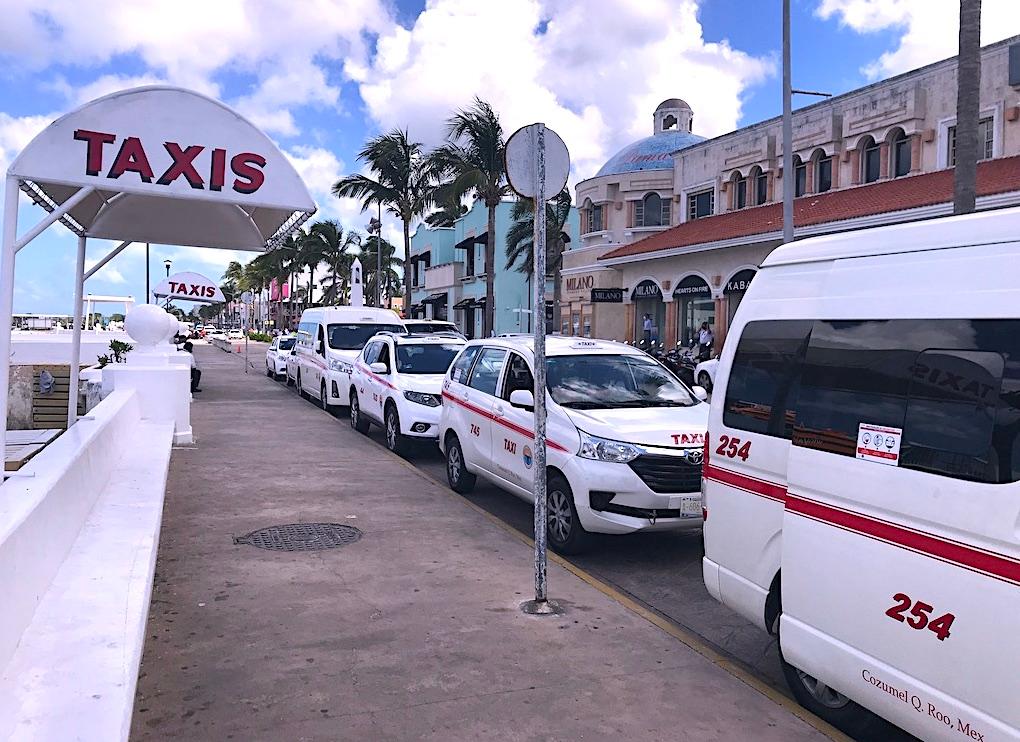
It sits at Carretera Transversal Km 7, roughly 15 to 20 minutes inland from San Miguel. Scooter, rental car or taxi all work, and most jeep and ATV island tours include it as a stop. Admission is charged at the gate.
What actually matters to bring:
- Insect repellent. This is the one. The site is in low jungle and the mosquitoes are serious, especially early and late
- Water and a hat. Shade is patchy between groups
- Proper shoes. Uneven stone paths and causeways
- Reef-safe sunscreen, as everywhere on the island
Is It Worth It?
If you want a monument, no. Go to the mainland and see Tulum or Chichén Itzá.
If you want to spend two hours walking through the largest Maya settlement on an island that was one of the most important pilgrimage destinations in the Maya world, and you can hold two ideas at once — that the pilgrimage was real and the goddess story is unproven — then it is the best non-diving half day Cozumel has.
And unlike almost everything else worth doing here, it is open on a Sunday.
Related
- Punta Sur Eco Park — the island's other major protected site, closed Sundays
- Cozumel taxi zones explained — how fares work if you are not driving
- Plan your Cozumel dive trip — fitting non-diving days into a week
- Cozumel dive sites guide — the reason you came
Frequently Asked Questions
What is San Gervasio?
Was San Gervasio a shrine to Ix Chel?
What are San Gervasio''s opening hours?
How long does a visit take?
How far is San Gervasio from San Miguel?
Is San Gervasio like Chichen Itza or Tulum?
What should I bring to San Gervasio?
When was San Gervasio excavated?
When was San Gervasio abandoned?
Does San Gervasio fit around a dive schedule?
Share This Article
Luisa Carmona is a PADI Master Scuba Diver Trainer living and working in Cozumel