Best Scuba Diving Destinations 2026: A Cozumel Guide
Explore the world's best scuba diving destinations. Compare Cozumel, Galápagos, Raja Ampat, Red Sea, and Maldives to find your perfect dive site.
Carmen Novelo · October 12, 2026
The best scuba diving destinations for 2026 depend entirely on what kind of underwater experience you're chasing: Cozumel leads for accessible wall diving and drift dives with steady conditions, the Galápagos delivers for advanced divers craving big pelagics, Raja Ampat stands unmatched for biodiversity, the Red Sea offers year-round warm water and history-rich wrecks, and the Maldives provides luxury diving with mantas and whale sharks. Each destination has a clear strength, and the right choice comes down to your certification level, budget, and whether you prioritize marine life, ease of access, or challenging conditions.
I've guided divers from more than thirty countries here in Cozumel, and the question I hear most often is: how does this place stack up against the rest? After diving the Caribbean, Pacific, and Indo-Pacific over the years, I can tell you that no single destination wins every category. Cozumel's drift diving along vertical walls is world-class, but if you want to see hammerheads schooling by the hundred, you need to go elsewhere. This guide walks through the top contenders, what each does best, and who should book a ticket.
Key Takeaways
- Cozumel is the top choice for beginners and intermediate divers seeking easy drift diving, clear visibility, and consistent conditions year-round.
- The Galápagos Islands and Cocos Island are best for advanced divers comfortable with strong currents, cooler water, and long liveaboard trips focused on big-animal encounters.
- Raja Ampat and the Coral Triangle offer rich marine biodiversity, ideal for macro photographers and reef enthusiasts willing to travel far.
- The Red Sea combines accessible shore diving, warm water, historic wrecks, and affordability, making it a strong option for European divers and those on a budget.
- The Maldives and Palau deliver bucket-list experiences—mantas, sharks, and pristine atolls—but require higher budgets and advance planning for liveaboard itineraries.
What Makes a Scuba Diving Destination Great
A great diving destination balances marine life, underwater topography, water conditions, accessibility, and cost. The best sites offer something you can't see at home: whether that's a wall dropping into the abyss, a cleaning station where mantas queue up, or a wreck with a story. Visibility matters—you can have a rich reef, but if you can only see three meters, the experience suffers. Current can be a feature or a bug: drift diving in Cozumel is effortless and fun, but ripping currents in the Galápagos demand experience and fitness.
Accessibility also shapes the experience. Cozumel is a short flight from much of North America, with many operators and daily boat departures. Raja Ampat requires multiple flights, boat transfers, and often a liveaboard commitment. That remoteness protects the reefs, but it also raises the cost and limits flexibility. Water temperature and season matter too: the Red Sea stays warm all year, while Galápagos diving means a wetsuit or even a drysuit depending on the month. Finally, the learning curve counts. Some destinations welcome beginners; others are strictly for divers with deep experience and advanced certifications.
Marine Life vs. Topography
Some destinations are all about the animals. The Galápagos, Cocos Island, and Guadalupe exist on dive bucket lists because of hammerhead schools, whale sharks, and great whites. The reefs themselves are often sparse or rocky, but the pelagic action is unmatched. Other places—like the Maldives or Cozumel—offer dramatic underwater landscapes: channels, walls, swim-throughs, and coral gardens that are beautiful even on a quiet day. The best destinations deliver both, but most lean one way or the other. Know what you want to see before you book.
Conditions and Skill Requirements
Water temperature, visibility, current, and depth vary widely across top destinations. Cozumel's reefs generally see water temperatures in the mid-to-upper 20s Celsius, with visibility often reported in the 25–40 meter range under good conditions, though conditions can vary by season, weather, and site. The Galápagos can range from 16–24°C, with visibility swinging from 10 to 30 meters and strong currents. That's not a criticism—it's just a different kind of diving. Raja Ampat has warm water and incredible color, but some sites feature strong currents through narrow passages. Check the conditions and the recommended experience level before you commit. Organizations like PADI and SSI publish experience recommendations for many of these sites, and they're worth reading.
Cozumel, Mexico: Drift Diving and Walls
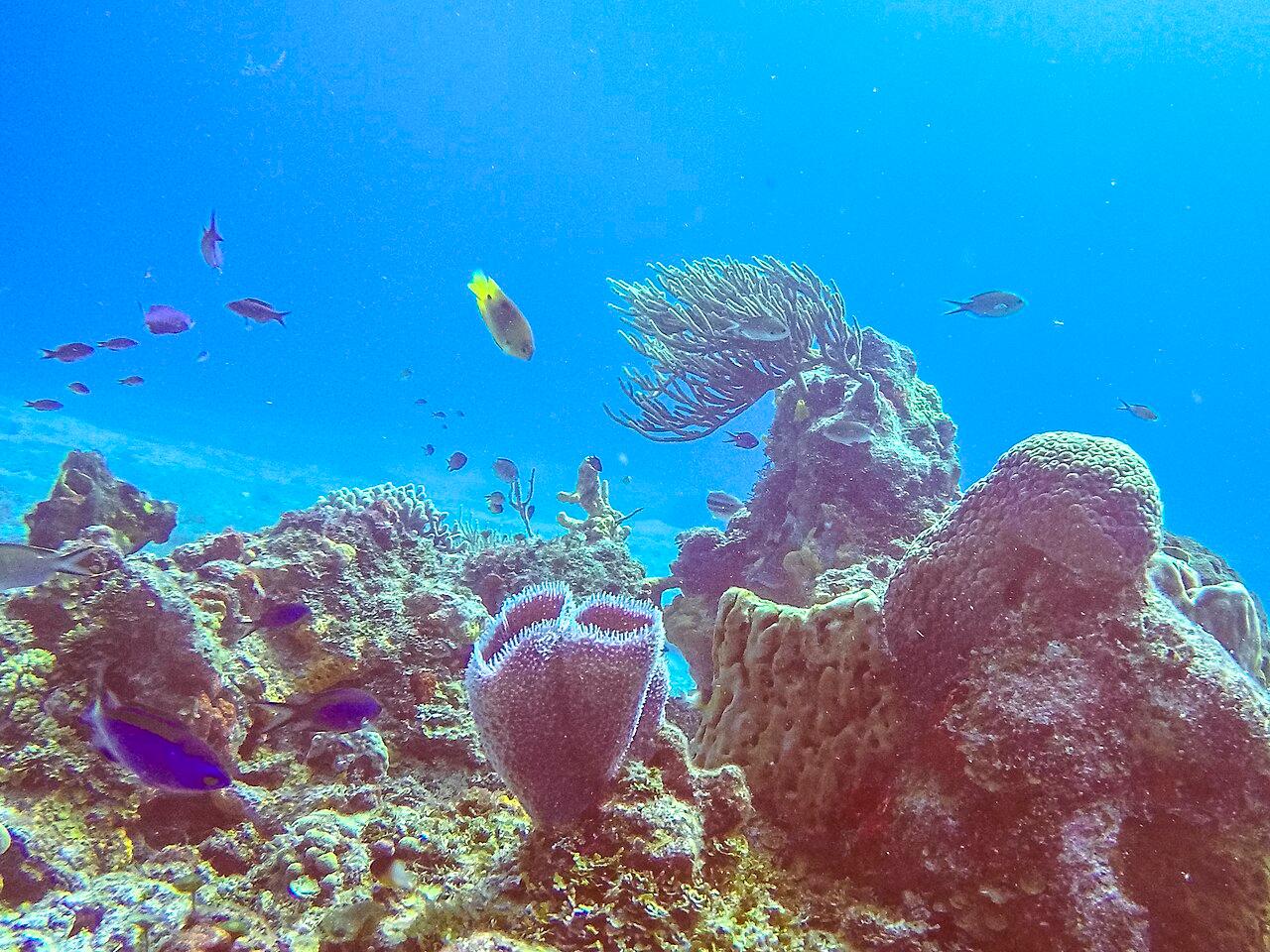
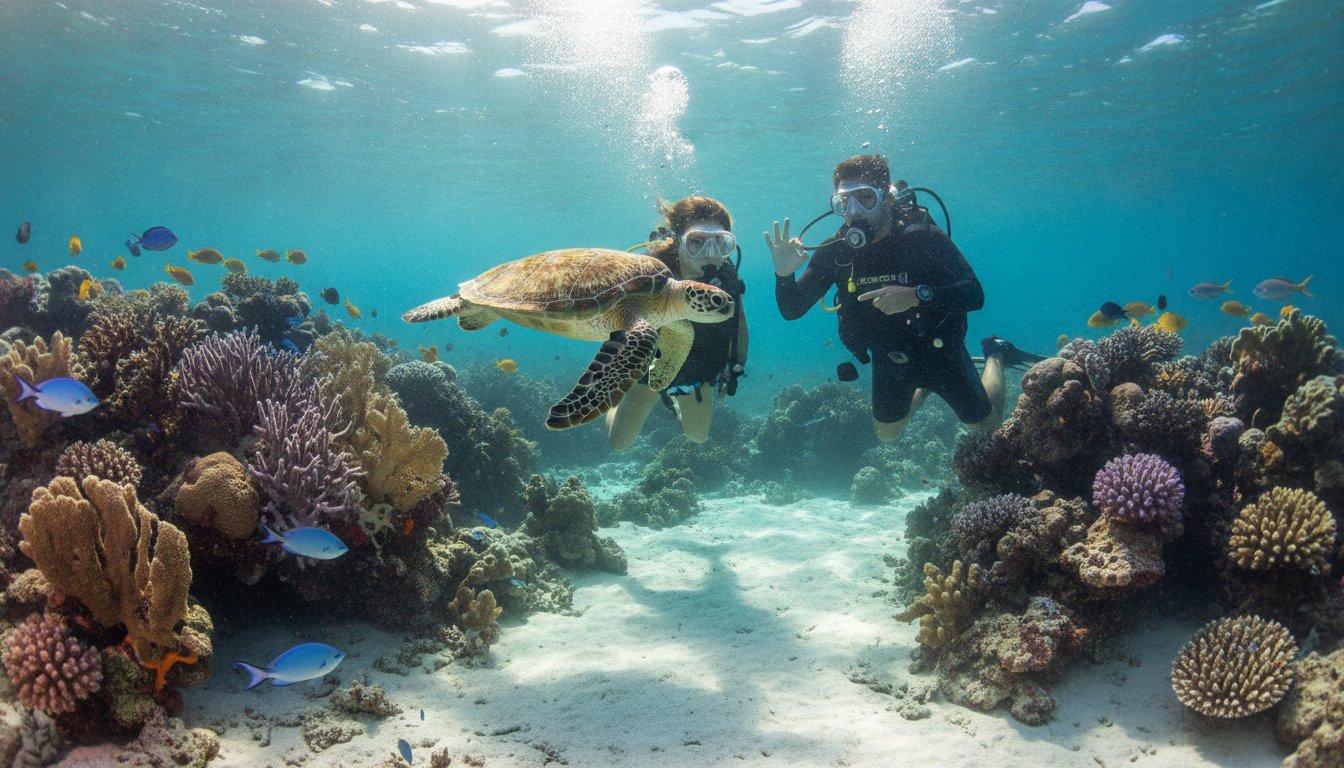
Cozumel sits in the western Caribbean, famous for drift diving along its reef system that runs north to south, with walls, swim-throughs, coral towers, and abundant fish life. The diving is accessible to newer divers but offers enough variety—deep walls, swim-throughs, and occasional eagle rays or turtles—to keep experienced divers coming back.
The island has a well-developed dive industry, with operators offering two-tank morning trips, afternoon dives, and night dives. The marine park protects the reefs, and mooring buoys keep boats from dropping anchor on coral. You'll see healthy coral coverage, especially on sites like Colombia Shallows, along with schooling jacks, groupers, angelfish, and the occasional nurse shark or southern stingray. In my years guiding here, I always tell first-time divers to trust the current—it's your friend, not something to fight.
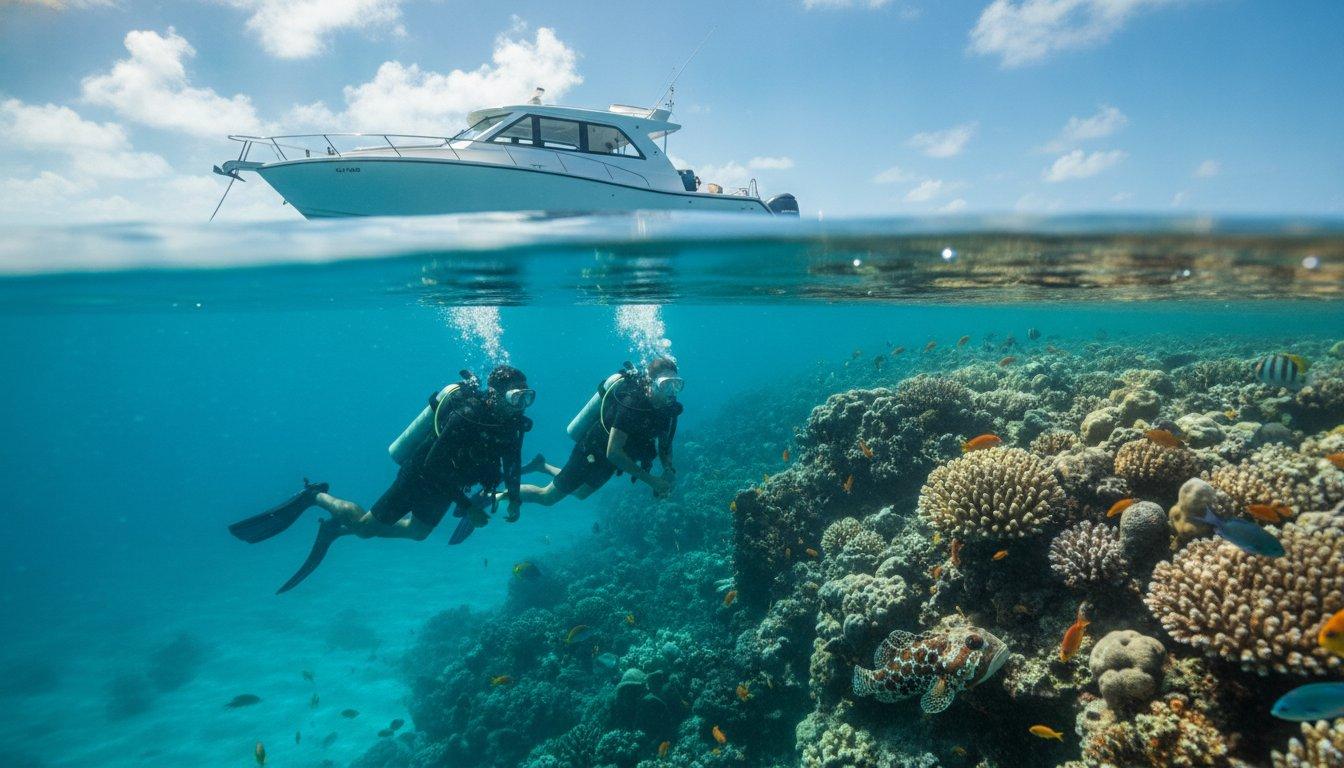
When you step aboard a Cozumel dive boat, expect a relaxed but professional atmosphere. Morning departures usually happen early, giving you time to set up your gear, review the site briefing, and meet your guide and fellow divers. Entry is usually a back roll off the boat, followed by a controlled descent to the mooring line. Your guide will position the group to catch the current, and from there the reef flows beneath you. This passive drifting means less physical exertion than fighting a current or climbing down a deep wall elsewhere, making Cozumel especially nice for divers who want to conserve energy and focus on the underwater scenery.
Booking a Cozumel trip is straightforward. Most operators work on a walk-in or advance-reservation basis, with flexible options for single dives, package deals, or full-day trips. If you're staying in town, your hotel concierge or dive operator can arrange pickup and dropoff. If you're on a cruise, many operators offer shortened morning or afternoon trips timed to your ship schedule, though these move faster and cover less ground than a full-day adventure.
When to Dive Cozumel
Cozumel diving works year-round, but conditions shift with the seasons. December through April brings the calmest seas, coolest air temperatures, and the most visitors. May through October is warmer, wetter, and quieter, with afternoon rain showers and the possibility of a tropical storm. Visibility and marine life stay consistent across both periods. If you want to avoid crowds and don't mind a bit of rain, summer and fall offer great value and emptier boats. Hurricane season technically runs June through November, though direct impacts on Cozumel are rare. Most operators maintain strict weather protocols and will cancel or reschedule if conditions become unsafe.
The Galápagos Islands, Ecuador: Big Pelagics and Strong Currents
The Galápagos archipelago lies about 1,000 kilometers off Ecuador's coast, isolated in the eastern Pacific. The diving here is not about coral—most reefs are volcanic rock with sparse coverage—but about the animals. Schools of scalloped hammerheads, whale sharks, Galápagos sharks, manta rays, sea lions, and marine iguanas make this one of the planet's top big-animal destinations. The best diving happens around the northern islands of Darwin and Wolf, which are only accessible by liveaboard.
Conditions can be challenging. Water temperature ranges from approximately 16°C during cooler upwelling months to around 24°C in warmer seasons. Currents are often strong, and visibility ranges from about 10 to 30 meters depending on the site and time of year. Requirements vary by operator and itinerary, but current public guidance commonly specifies Advanced Open Water or equivalent, along with approximately 30–50 or 50+ logged dives, recent dive experience, and sometimes a minimum number of recent dives within the past year. This is not a destination for new divers or anyone uncomfortable in rough water. But if you've logged significant dives, have good buoyancy, and want to see hammerheads by the hundred, few places compare. Liveaboard trips typically run seven to ten days and book months in advance.
A Galápagos liveaboard is fundamentally different from typical day-boat diving. You'll board in Ecuador's port city and spend your entire trip on the vessel, waking early for multiple dives each day. Breakfast comes before dawn, then you suit up and descend into the blue with your guide and a small group. You might encounter strong currents right away—this is where your experience and fitness matter—but the payoff is raw and immediate. You rise from your dive and eat lunch on deck, watching frigatebirds and sea lions. Afternoon brings another dive, then dinner and briefing. Evenings are quiet; early sleep is standard. The rhythm is immersive and exhausting and, for many advanced divers, unforgettable. Seasickness is a real concern; bring medication if you're prone to it.
Booking a Galápagos liveaboard requires commitment: you're locking in dates many months ahead, paying a substantial sum upfront, and dedicating a full week or more of vacation time. Operators offer various itineraries and boat styles, from budget options with basic cabins to luxury vessels with suites and gourmet meals. Entry to Ecuador and the Galápagos also requires a valid passport and may require a visa depending on your nationality. Start your research and booking at least six months before your target trip, especially if you have flexibility on dates.
Comparing Galápagos to Cozumel
Galápagos and Cozumel represent opposite ends of the diving spectrum. Cozumel is accessible, easy, and suitable for all levels; Galápagos is remote, demanding, and advanced-only. Cozumel offers colorful reefs and steady conditions; Galápagos delivers raw pelagic action in challenging water. Cost and logistics also differ: a week of Cozumel diving can cost a fraction of a Galápagos liveaboard. Both are world-class, but they serve different divers with different goals.
Raja Ampat, Indonesia: Biodiversity Capital of the World
Raja Ampat, in Indonesia's West Papua province, is the epicenter of the Coral Triangle, the most biodiverse marine region on Earth. The area is known for exceptional marine diversity, with manta rays, wobbegong sharks, pygmy seahorses, and endless macro subjects. The underwater scenery features steep walls, coral gardens, sea fans, and current-swept passages. Water temperature remains warm year-round, making it comfortable for extended diving in the region.
Getting to Raja Ampat requires multiple flights—typically Jakarta or Bali to Sorong, then a ferry or speedboat to the dive resorts or liveaboard pickup points. Most visitors stay on a liveaboard or at a remote resort for a week or more. The diving suits all levels, with shallow reef dives for beginners and challenging drift dives through channels for advanced divers. The colors are electric, the fish life is dense, and the coral health is among the best you'll see anywhere. If you're a photographer, underwater videographer, or just love rich reef ecosystems, Raja Ampat belongs on your list.
What to expect on a Raja Ampat dive: you descend into warm water onto hard coral structures teeming with small fish. Parrotfish, triggerfish, unicornfish, and wrasses swarm around you. Macro life—nudibranchs, shrimp, tiny gobies—hides in every crevice. Your guide points out a seahorse clinging to seagrass, then a wobbegong hiding on the sand. You drift along walls where sea fans wave, and schooling jacks pass overhead. Time passes in a blur. Many divers find Raja Ampat reef diving meditative because there's so much to see but no pressure to chase big animals—the abundance of small life keeps your attention completely engaged.
Travel to Raja Ampat is a journey. Plan for a full day of flights and transfers on arrival and another on departure. Once there, you're committed to your liveaboard or resort for a set period, usually a week. This isn't spontaneous diving; it requires advance planning and a vacation calendar that accommodates international travel. However, the effort is rewarded by reef health and biodiversity you simply won't encounter closer to home. Bring a sturdy camera or video setup if you're serious about recording your dives.
The Coral Triangle: Raja Ampat, Philippines, and Beyond
The Coral Triangle also includes parts of the Philippines, Malaysia, and the Solomon Islands. Destinations like Tubbataha Reefs in the Philippines and Sipadan in Malaysia offer similar biodiversity and easier access than Raja Ampat. Tubbataha is a liveaboard-only site known for sharks, turtles, and walls. Sipadan is accessible by day trip or longer stay, with a limited daily permit system and famous for schools of barracuda and bumphead parrotfish. All share the Coral Triangle's richness, but Raja Ampat remains a gold standard for reef diving.
The Red Sea, Egypt and Jordan: Wrecks, Walls, and Year-Round Warmth
The Red Sea offers some of the world's most accessible and diverse diving, with famous sites scattered along Egypt's coast and around Jordan's Aqaba. The sea is known for clear water, dramatic drop-offs, and historic wrecks. The SS Thistlegorm, a British World War II cargo ship, is one of the most dived wrecks on the planet, offering jeeps, motorcycles, and munitions to explore at wreck-specific depths.
Sharm el-Sheikh, Dahab, Hurghada, and Marsa Alam serve as dive hubs, with day boats, shore diving, and liveaboards available. The northern wrecks and Ras Mohammed National Park offer strong currents, sharks, and pelagic fish, while southern sites like Elphinstone Reef and the Brothers Islands are famous for oceanic whitetip and hammerhead sightings. The Red Sea is a great choice for European divers—flights from many European cities take four to six hours—and for those on a budget, as costs are lower than many Indo-Pacific or Caribbean destinations. The variety means you can do easy shore dives in Dahab one day and challenging liveaboard drift dives the next.
The Red Sea's appeal also lies in its flexibility. Unlike Raja Ampat or Galápagos, where you commit to a liveaboard, you can book a hotel in Dahab or Sharm el-Sheikh and structure your diving day by day. Shore dives are common and often free once you pay for a guide or join a small group. Rental gear is readily available and inexpensive. If you need to leave early or stay longer, you can adjust without penalty. This flexibility makes the Red Sea ideal for divers testing their comfort level or families mixing diving with other activities. At the same time, liveaboard options in the Red Sea rival those anywhere, with high-end boats offering gourmet food, spacious cabins, and expert crews.
Wreck diving in the Red Sea requires additional training and certification. If you want to enter the Thistlegorm's cargo hold or explore interior compartments, you'll need a wreck-diving certification. Without it, you can still dive the wreck as an external reef dive, seeing the exterior structure and the fish life it attracts, which is plenty for most divers. Check with your operator about what level of wreck access you have and what training or certs they require.
The Maldives: Atolls, Mantas, and Whale Sharks
The Maldives, an island nation in the Indian Ocean, is synonymous with luxury resorts and world-class diving. The diving centers on coral atolls, channels, and cleaning stations where manta rays and whale sharks gather. Hanifaru Bay is known for plankton blooms that draw large manta aggregations, typically from May to November, though scuba diving is prohibited during feeding aggregations—encounters are primarily snorkeling-based. Whale sharks appear year-round in the region. Reef diving features healthy hard and soft corals, schooling fish, reef sharks, and turtles.
Most diving happens from liveaboards or resort-based dive centers. Liveaboards allow access to the best and most remote atolls, while resort diving offers convenience and comfort. The Maldives is one of the pricier destinations on this list, with liveaboard and resort costs typically higher than Cozumel, the Red Sea, or even parts of Indonesia. But if mantas and whale sharks are on your bucket list, the Maldives delivers them reliably.
A typical day at a Maldives resort starts with a leisurely breakfast, then a short boat ride to a nearby house reef or channel. Dives are relaxed and unhurried; guides focus on finding marine life and helping you get good photos. The water is calm and clear, and you're back for lunch by noon. Afternoon dives or snorkeling trips are optional. Evenings are social—you eat dinner with other guests, relax by the pool, and plan tomorrow's outing. This is very different from a Galápagos liveaboard's intense schedule. If you value comfort, good food, and a gentle pace alongside world-class marine encounters, the Maldives resort experience is hard to beat.
Best Season for Maldives Diving
The Maldives has two main seasons: the northeast monsoon (December to April) brings calmer seas and good visibility on the eastern atolls, while the southwest monsoon (May to November) offers plankton-rich water, manta aggregations, and whale shark sightings, especially in the western and southern atolls. Both seasons offer excellent diving; the choice depends on whether you prioritize big animals or calm conditions.
Other World-Class Dive Destinations Worth Considering
Several other destinations deserve mention, each with a unique strength. Palau, in Micronesia, is famous for Blue Corner's shark action, World War II wrecks and relics, and unique sites like German Channel for mantas. Cocos Island, off Costa Rica, rivals the Galápagos for hammerheads and whale sharks but is even more remote and liveaboard-only. The Bahamas offers easy access from the U.S., with shark dives, blue holes, and wall diving; it's a solid choice for long-weekend trips. Australia's Great Barrier Reef remains an icon, though coral bleaching events have affected some areas. Fiji combines colorful soft corals, shark dives, and manta encounters, with a friendly local dive industry.
Mozambique and South Africa provide Indian Ocean diving with whale sharks, manta rays, and sardine runs. The Philippines offers budget-friendly diving with incredible variety: from the macro critters of Anilao to the thresher sharks of Malapascua and the walls of Apo Island. Each destination has its moment and its audience. The key is matching the destination to your experience level, interests, and budget.
Choosing the Right Destination: A Comparison
| Destination | Best for | Who this isn't for |
|---|---|---|
| Cozumel, Mexico | Beginners and intermediate divers seeking easy drift diving, warm water, and consistent conditions with short travel times from North America. | Divers focused solely on big pelagics or those wanting remote, expedition-style diving far from tourist infrastructure. |
| Galápagos Islands, Ecuador | Advanced divers with significant logged dives who want hammerhead schools, whale sharks, and pelagic action, and who are comfortable with strong currents and cooler water. | New divers, those on a tight budget, or anyone seeking easy conditions, warm water, or colorful reef diving. |
| Raja Ampat, Indonesia | Underwater photographers, macro enthusiasts, and divers who prioritize coral health and biodiversity over big animals. | Divers with limited time or budget, or those who prefer quick access and aren't interested in long-haul travel. |
| Red Sea, Egypt/Jordan | Wreck divers, European travelers, and budget-conscious divers seeking year-round warm water and varied sites from shore and boat. | Divers focused on Indo-Pacific biodiversity or those seeking luxury resort experiences without historical or wreck elements. |
| Maldives | Divers chasing manta rays and whale sharks in a luxury setting, with liveaboard or resort-based options and warm, clear water. | Budget travelers, those seeking challenging conditions, or divers more interested in walls and wrecks than pelagic encounters. |
| Palau, Micronesia | Experienced divers interested in shark action at Blue Corner, World War II history, and unique sites like German Channel for mantas. | Beginners, budget divers, or those seeking easy access and short travel times from North America or Europe. |
Travel Logistics and Costs
Cost and accessibility vary dramatically across these destinations. Travel time matters too. Cozumel is a single flight from many U.S. cities, or a connection through Cancún. Raja Ampat requires two or three flights and at least a full day of travel each way. Galápagos means flying to Ecuador, then a domestic flight to the islands, then boarding the liveaboard. If you have limited vacation time, closer destinations make more sense. If you're planning a once-in-a-decade trip and can afford the time and cost, the remote spots deliver experiences you won't find closer to home.
Liveaboard trips to remote destinations typically require substantial advance booking and vary significantly by boat, season, and itinerary. The Red Sea provides a range of options from budget shore diving to upscale liveaboards. Always check directly with dive operators for current pricing, seasonal packages, and what's included in each trip cost.
Visa and Entry Requirements
Entry requirements for these destinations vary by nationality and change regularly. Before you book, check the official immigration website or current government travel advisories for Mexico, Indonesia, Egypt, Ecuador, Maldives, and Palau. Most destinations welcome tourists with standard passports, but requirements such as visa type, proof of onward travel, and passport validity can vary. Planning ahead ensures a smooth arrival and departure.
Certifications and Medical Fitness
Before you book any trip, verify that your diving certification is current and appropriate for your destination. A basic Open Water certification works for most recreational diving, but many advanced sites require Advanced Open Water or specialist certifications like deep, wreck, or nitrox. Check your logbook and certification card to confirm your credentials meet the operator's requirements.
You'll also need to be medically fit to dive. Conditions like asthma, heart problems, pregnancy, and recent surgery can make diving unsafe. Most operators require you to complete a medical questionnaire before diving, and some may ask for a physician's clearance if you answer yes to any health questions. If you're unsure about your fitness to dive, consult a dive medicine specialist before you travel. Dive insurance is strongly recommended for all international trips, especially to remote destinations where emergency medical evacuation can be extremely expensive.
Our Recommendation
If you're new to diving or want a relaxed, accessible trip with excellent conditions and short travel time, Cozumel is the clear choice. The drift diving is world-class, the infrastructure is well-established, and you can be underwater within hours of landing. For advanced divers seeking bucket-list pelagic encounters and willing to commit time, effort, and budget, the Galápagos and Cocos Island deliver unmatched big-animal action. If coral health and biodiversity matter most, Raja Ampat and the broader Coral Triangle offer the richest reef ecosystems on the planet. Budget-conscious divers and wreck enthusiasts should look to the Red Sea, where variety, accessibility, and affordability converge. And if you want luxury, reliable manta and whale shark encounters, and a resort-style experience, the Maldives fits the bill.
Choose based on your certification, experience level, interests, and what you're willing to spend on time and money. Every destination on this list is world-class in its own way—the only wrong choice is picking a spot that doesn't match your skills or goals. Whatever you choose, dive safe, respect the reef, and enjoy the journey.
Related on Cozumel Dive Hub
Dive sites:
More reading:
- Best Scuba Diving in Mexico: How Cozumel Compares
- Discover Scuba Diving Cozumel: Your First Underwater Adventure in 2026
- Travel Insurance for Cozumel Scuba Diving: The Essential 2026 Guide
Trusted scuba resources include PADI and SSI for certification standards, destination guidance, and safety protocols recognized worldwide.
Share This Article
Carmen Novelo