
Snorkeling Cozumel Beaches: Best Shore Spots for 2026
Discover the ultimate snorkeling Cozumel beaches for shore entry in 2026. Explore clear reefs, comfy beach clubs, and wild swim-out options for all skill
Luisa Carmona · September 28, 2026
If you're looking for the best snorkeling Cozumel beaches you can swim out from—no boat tour needed—you're in the perfect place. Cozumel’s west coast offers several safe, accessible spots where the wonders of the Mesoamerican Reef are just steps from shore. Whether you prefer comfy beach clubs or wild, natural stretches, there’s a great shoreline snorkel for everyone.
After years guiding snorkelers here, I know that a handful of beaches stand out for easy entry, reliable conditions, and the chance to see healthy coral, tropical fish, and even sea turtles with just a mask and fins. Here’s everything you need to plan your snorkeling outing, match the best sites to your style, and make the most of Cozumel’s world-class shoreline reefs.
Key Takeaways
- The calm west coast is where you’ll find Cozumel’s best beaches for shore snorkeling.
- Villa Blanca, Dzul-Ha (Money Bar), and Chankanaab Beach Park are standout options for accessible, independent snorkeling.
- Sky Reef and Punta Sur Eco Beach Park offer everything from relaxed beach club comfort to wild, natural exploration.
- Beach clubs like Money Bar and Sky Reef provide snorkel gear rentals and facilities to make your day easy and enjoyable.
- For comfort, amenities, or adventure, there’s a perfect Cozumel snorkeling beach for every snorkeler in 2026.
What Makes Cozumel’s Beaches Great for Snorkeling?
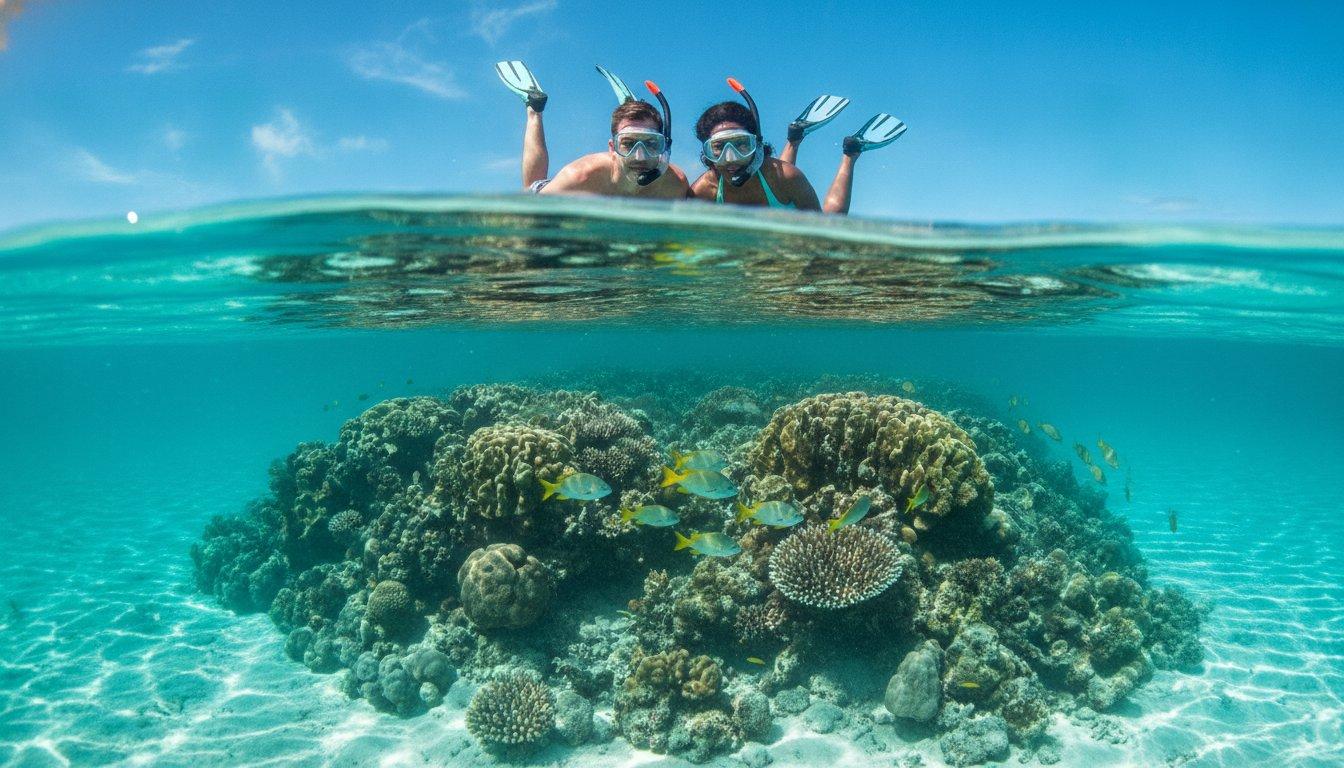
Cozumel sits just off the coast of the Yucatán Peninsula, within reach of the second longest barrier reef system in the world. The island’s west coast, in particular, holds a special magic for snorkelers of all levels. Here, the reef comes within easy swimming distance of the shore, allowing you to experience healthy coral growth, lively schools of tropical fish, and the full cast of Caribbean marine wildlife without any need for a boat ride or lengthy instructions. Whether this is your very first time with a snorkel or you’re returning year after year, Cozumel’s beaches offer simplicity, accessibility, and variety that’s tough to find anywhere else in the region.
Calm Water and Proximity to the Reef
The island’s west coast is sheltered from prevailing winds, which keeps water calm and visibility high nearly all year (Sources: 4, 8). The generally tranquil waters mean you won’t be battling surf or strong currents as you enter. This makes snorkeling enjoyable for beginners and reassuring for parents with kids in tow. Since the best snorkeling reefs are so close to shore here, you don’t need to be an expert swimmer to enjoy vibrant underwater life—just a short paddle brings you above coral heads brimming with fish. Water temperatures typically stay between 78°F to 82°F (25°C to 28°C) even during winter months, making underwater exploration comfortable at any time of year (sources: 4, 8). While you might spot more wet suits in winter, most visitors will be fine in just a rash guard, and experienced snorkelers enjoy longer sessions thanks to these gentle conditions.
Another benefit of this sheltered side is clarity—there is often exceptional visibility, sometimes up to 100 feet on calm days. For underwater photographers and those looking for dramatic views of fish and coral, this clear water is one of Cozumel’s biggest assets.
Marine Life to Expect
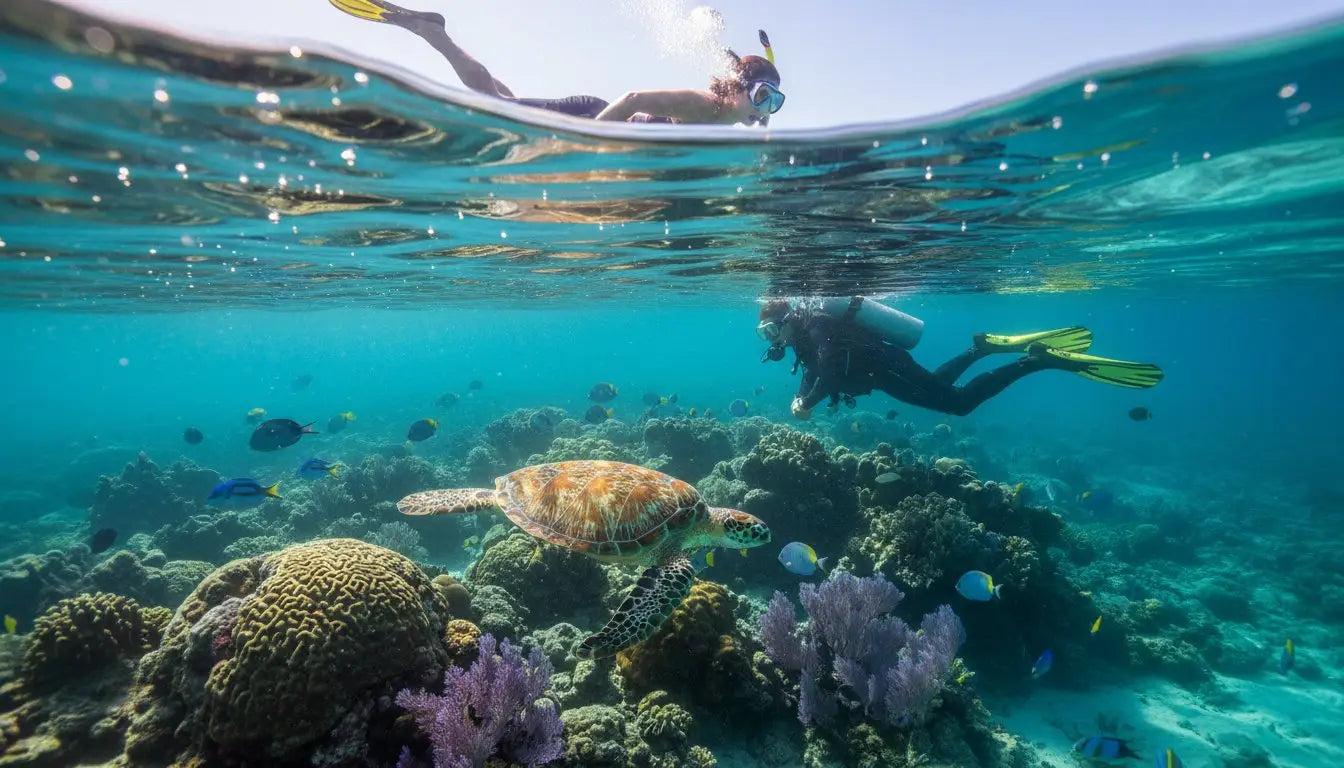
The fringing reefs along Cozumel's west coast are part of the Mesoamerican Barrier Reef and brim with vivid coral heads and tropical fish—think angelfish, parrotfish, butterflyfish, sergeant majors, sometimes rays, lobsters, or turtles (sources: 4, 8). Artificial reef structures at some sites host additional sea life, offering more fascinating nooks to explore. If you’re new to Caribbean snorkeling, expect to see brain coral mounds, elkhorn structures, and the flutter of many small, colorful fish right away. The occasional appearance of a cruising turtle or a slowly-moving spotted eagle ray is a thrill for snorkelers of all ages.
Because these shoreline reefs receive lots of visitors, local conservation groups and marine parks have installed artificial reef features at some locations. Not only do these structures provide habitat for species like pufferfish and spiny lobsters, but they also ensure that foot traffic is spread out, giving the natural coral more room to recover and thrive. If you venture out early in the morning, you might have entire stretches of clear water to yourself and catch sight of extra-shy sea creatures before others arrive.
Accessibility and Safety
Most top snorkeling beaches are only a short taxi ride from the ferry terminal or cruise ports (sources: 2, 8). This convenience makes it easy to add a half-day snorkel into any itinerary, whether you’re on a short stopover or a week-long stay. Once on-site, you’ll find a range of facilities—from simple beach cafés just steps from the sand to full-service parks with shaded chairs and showers. Some beaches have paved parking, others a quick walk through sand or crushed coral.
It’s always wise to check current advice about wind, visibility, and currents, either via local dive shops or posted boards at the main clubs. Good shops and park staff maintain watch on weather patterns and will advise if certain areas are temporarily closed for safety. When snorkeling anywhere, travel with a buddy if possible and consider a brightly colored rash guard or floating marker—these simple steps can make a big difference in visibility for boats and for each other. As a guide tip: the braver you feel, the more tempting it is to swim further along the reef, but always keep an eye on weather changes and currents. If you’re a confident swimmer, stay aware of boat lanes and respect boundaries marked by buoys or signs.
For pack-and-go explorers, some beaches are as easy as walking in off the sand, while others may require a beach club entry or a small purchase as a courtesy for use of their facilities. There’s something here for every style, from the casual last-minute snorkeler to the organized family group looking for amenities and gear rentals right at hand.
Top Cozumel Beaches for Shore Entry Snorkeling
Dzul-Ha (Money Bar Beach Club)
Dzul-Ha is one of the most accessible shore snorkel locations, with the Money Bar Beach Club offering a well-maintained entrance and direct ladder access to the shallow reef zone (sources: 2, 4, 8). Whether you want to make a base of soft loungers with a drink ready, or just slip in for an hour before lunch, this is a flexible, popular option. Families with children often appreciate the visible entry area, and the club’s friendly staff. The combination of sandy and rocky entry means it’s possible to start shallow and gradually venture out to deep spots, enjoying the change in visibility and fish density as you move. If you want an easy day combining food, comfort, and good snorkeling, Dzul-Ha won’t disappoint.
The atmosphere is lively yet organized—snorkelers and beachgoers mix easily. There are clean bathrooms, change areas, and you can even store valuables at the front desk while in the water. Even busy afternoons are generally relaxed, since there’s a steady flow of people heading to and from the water. For beginner snorkelers, this spot is helpful thanks to the clear markers and easy exit points. Rentals are available right at the club, making it simple if you arrive with just a swimsuit and towel.
Guide’s tip: Head in early morning or late afternoon for quieter water and great fish watching near the ladder zone. The reef is close, but always be aware of a mild current, which is normal for Cozumel; stay upstream for your return leg.
Villa Blanca Reef
Close to the cruise terminals, Villa Blanca has a mix of natural coral patches and artificial reef balls/sculptures (sources: 4, 8). Entry can be rocky, but you’re rewarded with quick access to reef life and schools of fish. This beach tends to draw confident, independent swimmers who are comfortable with a less “manufactured” feel. Because of the proximity to hotels and easy-access cafés, Villa Blanca is a staple for visiting snorkelers who want a taste of the reef but prefer a quieter, more authentic shoreline compared to the larger clubs.
Reef shoes or sandals will make entry and exit more comfortable, as the shallow areas can be pebbly or uneven. Once in, there are immediate rewards—the artificial reef installations have become small marine neighborhoods, with lively resident parrotfish and clusters of damselfish brushing over the coral. Swim a little further out and you’ll find a transition to deeper reef, where larger fish and even moray eels may glide by.
While Villa Blanca isn’t the spot for toddlers or non-swimmers, it’s really well-loved by experienced snorkelers who want more of a natural, uncrowded feel. The current on this stretch is generally gentle but noticeable, so stay aware of your drift path. Sunsets here are spectacular, and you can often finish an afternoon snorkel with a snack or drink as the sky glows over the water.
Chankanaab Beach Adventure Park
With a sandy entry, lifeguards, rentals, lockers, and shallow protected areas, Chankanaab is friendly for families and first-timers (sources: 2, 8). There is an entrance fee, but amenities are unmatched—restrooms, shaded lounges, food, and guided snorkeling. The reefs begin a short swim from shore and the park is very well-marked for swimmer safety. There are designated zones for snorkelers and swimmers, so everyone can enjoy their day comfortably and safely. Chankanaab is especially popular thanks to lifeguards on duty, making it a reassuring choice if you have kids keen to get their masks on but need a little extra supervision.
Because the park is designed for families and large groups as well as solo travelers, you’ll find extras like lockers for valuables, food stands, and shaded spots for breaks between snorkel sessions. Rental stands can fit all sizes from kids to adults, and the refreshment options mean you don’t have to leave the area if you work up an appetite. Chankanaab is also a great place to book a beginner’s snorkeling lesson with a local expert—perfect for anyone who is new or just wants to refresh their skills. The ample space, clean facilities, and dedicated swimming areas make for a fun, stress-free day that everyone can enjoy.
Guide’s tip: Make use of the lockers and take breaks in the shade to keep energy high—especially with younger snorkelers. If possible, plan for weekdays or early mornings to enjoy slightly fewer crowds.
Sky Reef
A casual, no-nonsense beach club that offers direct reef access, gear rental, and a hearty local menu (sources: 2, 8). The snorkeling entry is mostly rocky, but you’ll find healthy coral and active fish life just offshore—good for anyone who wants comfort along with their reef time. The crowd is friendly and staff are used to welcoming both first-timers and return visitors, often sharing tips on where the latest marine action is taking place. For a relaxing day, order a local dish after your snorkel and watch the water from the shaded patio—it’s one of the simplest pleasures here.
The atmosphere at Sky Reef is easygoing and social. You can expect helpful service and clean equipment rentals. There’s space to leave your bag or relax in the sun without feeling crowded out, and the club’s setup means you’re never too far from the entry or a refreshing drink. The snorkeling here is especially nice for anyone who likes the idea of balancing exploration with comfort and a good meal. The rocky shore offers structure for marine life and adds an adventurous touch for those looking to spot different species hiding among crevices and ledges.
Punta Sur Eco Beach Park
For adventure seekers, Punta Sur offers a more remote, natural coastline with a mix of sand and rocky entry, and vibrant patch reefs a short swim out (source: 2). Facilities are basic, but it’s quieter and less developed—best for confident swimmers and nature lovers wanting to escape the crowds. The wind and waves can feel more pronounced here, which gives this beach a wilder, more adventurous edge. If you like your snorkeling with a dose of solitude or have a high comfort level in natural water entry, Punta Sur is an excellent pick. Since there are fewer marked areas and less staff around, it’s crucial to always enter with a buddy and keep a close watch on conditions.
Nature lovers will appreciate the relative quiet, the reserve-like feel, and the thrill of seeing fish in waters that are less visited each day. There’s little commercial activity in the vicinity, so come prepared with your own snacks, water, and all your snorkel gear, unless you know a guide meeting you there. Punta Sur delivers a taste of what snorkeling in Cozumel might have felt like before the crowds—untouched, unspoiled, and rich with marine life in every direction.
Guide’s tip: Keep valuables to a minimum, use a dry bag, and check with locals about the safest entry points for the day you visit. The extra effort is deeply rewarding if you love the wild side of the sea.
Comparison Table: Cozumel’s Best Shore Snorkeling Beaches
| Beach | Best for | Facilities | Entry Type | Who this isn't for |
|---|---|---|---|---|
| Dzul-Ha (Money Bar) | All-around; families; first-timers | Restaurant, showers, gear rental | Ladder (club) or rocky/sandy walk-in | True wilderness seekers; those needing a gradual slope |
| Villa Blanca | Confident, independent swimmers | Café, simple facilities, some rentals | Rocky (reef shoes useful), direct reef | Little kids; guests seeking only sand entry |
| Chankanaab Park | Families, comfort, groups | Full park (lifeguards, lockers, restaurants) | Sandy, stairs, ladders to depth | Budget travelers; avoiding entrance fee |
| Sky Reef | Easy access, lunch plus reef | Restaurant, rentals | Rocky shore, ladders | Wilderness/nature purists |
| Punta Sur Eco Beach | Adventurous, strong swimmers | Basic services | Sandy/rock entry, unmarked | Young families, needing supervision or amenities |
Choosing a Dive or Snorkel Shop for Shore-Based Snorkeling
For added confidence—especially with kids or beginners—local shops like Scuba Life Cozumel, Sand Dollar Sports, or Salty Endeavors can provide rentals, buoyancy vests, and experienced guides (sources: 3, 4, 5, 8). These shops work with most west coast sites and keep up with current safety and weather conditions. If you want to learn more about marine life or pick up tips, ask about a beginner snorkeling class when you arrive.
Booking through a shop is a convenient way for travelers to make sure they’ll have all the essentials covered: mask, snorkel, fins, and often wetsuits or protective vests if needed. Most reputable shops take the time to explain unique features at each beach—such as currents, best entry points, and the simplest way to spot resident species. If you or someone in your group isn’t a strong swimmer but wants to try snorkeling, guides can provide hands-on instruction, help with gear adjustments, and accompany you in the water for added comfort. This personalized touch has helped many hesitant beginners become enthusiastic snorkelers by day’s end.
If you are looking for a practical way to compare rental and lesson options or want advice on which beaches suit your needs, Cozumel Dive Hub collects reviews, advice, and latest news from every shop it lists—so it’s a handy place to start planning. As with any busy island destination, it’s wise to confirm details ahead, especially in busy travel periods or if you need gear in specific sizes. And remember, we know everyone on the island and can get you the best available deal locally, including packages and special offers the shops don’t publicize.
Trip Planning: How a Shore Snorkel Day Typically Goes
A successful day snorkeling at one of Cozumel’s west coast beaches begins with a little preparation, though the atmosphere is casual and the process is smooth. Most visitors take a quick taxi ride from the ferry, hotels, or cruise ship terminal straight to their chosen beach. Taxis are reliable and familiar with every major snorkel site—simply say the name of the beach or club and the driver will know exactly where to drop you. For cruise travelers or anyone on a schedule, it’s helpful to let your driver know your pickup time or arrange to call for the return ride. Some beach clubs have a taxi stand or can book your return taxi when you’re ready to leave.
Once you arrive, you’ll check in at the beach club, park entrance, or simply walk on the open beaches like Villa Blanca. Most clubs and parks handle equipment rentals at a front desk or dedicated rental station; you’ll fill out a quick form, get sized for gear, and often get a brief rundown on the rules for the site. If you’re taking a beginner lesson or booking a guide, they’ll meet you at the gear counter and walk through basic snorkeling safety, how to clear your mask, and what marine life you’re likely to encounter that day.
After gearing up, it’s as simple as heading down to the marked entry point—at some clubs, this might be a sturdy ladder directly into the water, while others offer a short sandy walk-in or stairs right by the shoreline. Lifeguards or club staff may point out the best spot to start, especially if there’s a section with more coral or a newly installed artificial reef. The current is typically gentle on calm days, and visibility is often excellent, particularly in the morning before midday winds pick up. You’ll have plenty of freedom to explore at your own pace, return to shore for a snack, and head back out as often as you like.
Snorkeling at these beaches is flexible—there’s no set time limit, and you can alternate between swimming, relaxing under a palapa, and enjoying local food and drinks. Most visitors spend between two to four hours at the beach, though it’s easy to stretch a day into sunset. Facilities like showers and changing rooms mean you can freshen up and continue to your next activity, whether that’s shopping in town, grabbing an early dinner, or simply watching the sunset from your beach chair.
Snorkeling Safety, Certification, and Insurance Tips
Snorkeling in Cozumel is accessible to almost everyone, but safety comes first. Always swim with a buddy, even if you’re a confident swimmer—having another person nearby is not only more fun, it’s a basic precaution. For children or those new to snorkeling, a buoyancy vest adds security and comfort, letting you focus on observing the reef rather than paddling. Bright, visible swimwear or rash guards are helpful for staying visible to lifeguards and boats, and whistle-equipped lanyards or floating markers are available at most shops.
No formal certification is required for snorkeling, but basic swimming proficiency is important. Some snorkel shops and beach parks offer short safety briefings or beginner lessons for anyone who wants to be sure of best practices. If you’re planning multiple days of snorkeling or want to increase your comfort, consider taking a basic snorkel course—these teach you how to handle a mask, clear water from your snorkel, stay relaxed, and maximize your day on the reef.
Medical and travel insurance that covers snorkeling is always recommended for peace of mind, especially for families or anyone with a pre-existing health condition. The Divers Alert Network (DAN) is a respected provider offering travel policies for divers and snorkelers. While the majority of snorkelers never need medical attention, it’s reassuring to know you’re covered for unexpected travel interruptions or health needs during your trip.
Conservation and Snorkeling Etiquette
- Do: Use reef-safe sunscreen, float above coral, and watch sea life without touching (sources: 7, 8).
- Don't: Avoid standing on or grasping coral, chasing or touching animals, or feeding fish—which disrupts natural behavior.
- Always respect posted boundaries and conservation zone rules. For more guidance, see Sand Dollar Sports’ sustainability page or the Divers Alert Network.
Preserving Cozumel’s reefs is the responsibility of every visitor. Coral is slow-growing and fragile; even a single kick or careless touch can damage years of healthy growth. Always stay afloat above the reef—fins should move gently, and hands tucked in to avoid accidental contact. Be mindful of other snorkelers, giving space so everyone can appreciate the marine life without crowding. Never collect shells, coral, or touch animals, and avoid using standard sunscreens as many chemical ingredients harm corals.
Many shops and guides will check that your sunscreen is certified reef-safe before allowing entry to protected zones. If in doubt, keep covered with a long-sleeve rash guard and wide-brimmed hat when out of the water—a method both locals and long-term visitors swear by. Underwater, move slowly and enjoy the show; the more patient and still you are, the more sea creatures you’re likely to see. Small actions like these help ensure Cozumel’s shore snorkeling remains vibrant for generations to come.
How to Prepare: Snorkeling Checklist
- Bring a well-fitting mask, snorkel, and fins or rent onsite.
- Wear a rash guard for sun protection to avoid overexposure, especially during midday sessions.
- Water shoes are useful for rocky entries and help protect feet from accidental scrapes.
- Choose only reef-safe sunscreen and apply it well before entering the water.
- Check wind and current before setting out, and always review the posted rules or ask a guide about day-to-day risks and conditions.
It’s a good practice to pack a small dry bag for valuables, a reusable water bottle, and a light snack if you’re heading to the less-developed beaches. If traveling with children, bring extra towels, a hat, and perhaps a water toy for beach breaks between snorkel sessions. Sunglasses and a change of clothes will keep everyone comfortable for the trip back. For those planning multiple stops or trying different beaches, a simple mesh bag keeps wet gear separate from dry items in your backpack or day bag.
What About Seasonality and Weather?
The wonderful thing about snorkeling in Cozumel is that conditions are fantastic throughout most of the year. Thanks to the position of the island and protection from prevailing winds, the west coast remains calm and inviting almost every month. December to April sees drier weather and typically calmest seas, with slightly cooler air and water for those sensitive to temperature.
During summer months, occasional rain showers can bring brief changes to water clarity, but these are usually short-lived and quickly followed by blue skies again. Hurricane season officially runs from June through November in the Caribbean, but direct impacts are rare and the island community is well-prepared. If you’re visiting near the end of summer or early fall, keep an eye on forecasts and check with your hotel or beach club for any last-minute updates on water conditions. In most cases, day-to-day snorkeling remains uninterrupted and superb throughout the year.
Our Recommendation
- Families or beginners: Dzul-Ha (Money Bar) or Chankanaab Park
- Confident swimmers: Villa Blanca
- Adventurers or nature-lovers: Punta Sur Eco Beach
- Want club comfort: Sky Reef or Money Bar
Whatever your snorkeling style, you’ll find your match among Cozumel’s west coast beaches in 2026. When we help friends and visitors find the best local deal, they often get access to specials the shops don’t advertise online—just ask around or let us connect you. Our experience guiding visitors at every beach means we can point you to the day and location that fits your group best. If you’re looking for more comparisons or want up-to-date info, visit Cozumel Dive Hub for news and reviews from the shops and guides we trust.
Related on Cozumel Dive Hub
Dive sites:
- Barracuda Reef Cozumel: Advanced Drift Dive Site
- C-53 Shipwreck Dive Site
- Cantarel Cozumel – Seasonal Eagle Ray Diving
- Casa Blanca Cozumel: Complete Dive Site Guide
Dive shops:
Courses:
More reading:
- Sky Reef Cozumel: The Reef and the Beach Club
- Paradise Reef Cozumel Snorkeling Guide: Tips, Marine Life & Logistics
- Snorkeling vs. Diving Cozumel: Which Underwater Adventure is Right for You? (2026 Guide)
- Are There Cenotes in Cozumel? Complete 2026 Dive Guide
- Cozumel Sargassum Guide 2026: When & Where to Expect Seaweed