Are There Cenotes in Cozumel? Complete 2026 Dive Guide
Are there cenotes in Cozumel? Discover on-island cenote diving: what exists, the differences from mainland cenotes, safety, and top tips for 2026.
Luisa Carmona · September 26, 2026
Yes, there are cenotes in Cozumel, but their character is quite distinct from the vast, iconic cenotes of the mainland Yucatán Peninsula. Cozumel’s cenotes are small, subtle, and largely off the tourist radar, offering a rare opportunity for divers who want to look beyond the usual reefs and walls. These island cenotes reveal a lesser-seen facet of Cozumel—a blend of geological history, crystalline water, and quiet jungle ambiance, all awaiting those equipped with a sense of adventure and a qualified guide.
If your goal is true cenote diving without needing to ferry to the mainland, Cozumel does provide—though think intimate and tranquil, not massive cathedral-like spaces. Geologically speaking, the island’s cenotes are products of the same processes that shaped the Yucatán’s underwater river systems, but their small scale keeps them special and manageable. Many visiting divers find Cozumel’s cenotes offer the right balance of novelty and local flavor without the bustle of the mainland’s most famous sites.
Key Takeaways
- Cozumel has its own cenotes—smaller and less commercial than those on the Yucatán mainland.
- The island cenote experience prioritizes natural beauty, clear water, intimate spaces, and geological features.
- Diving Cozumel cenotes is best for certified divers comfortable in overhead or confined spaces.
- Dive centers on Cozumel provide guided, small-group cenote tours with safety-focused protocols.
- Cozumel’s cenotes are ideal for unique exploration—convenient, quiet, and close to town, but not for those seeking sprawling cave systems.
Cenotes in Cozumel: What to Expect
The Island’s Hidden Pools
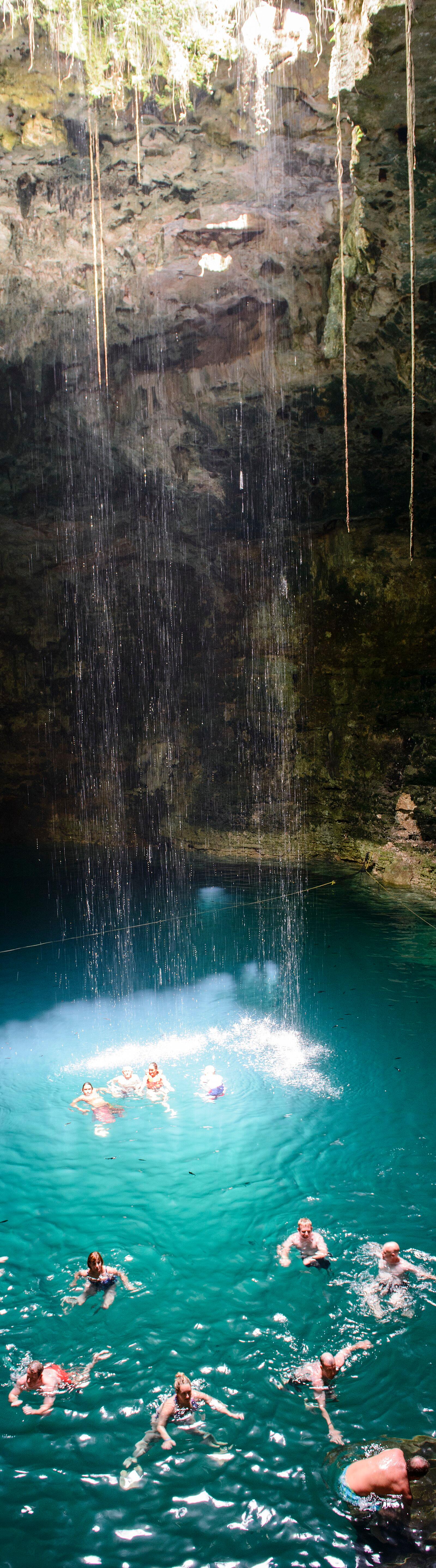
Most cenotes in Cozumel are compact, limestone sinkholes—remnants of ancient geological activity and the last ice age. You’ll find crystal-clarity water, shallow to moderate depths, and peaceful, jungle-surrounded pools or nondescript entrances to submerged caverns. While less dramatic than Tulum’s famous chambers, Cozumel’s cenotes offer a unique atmosphere: shafts of sunlight flicker across old stone, revealing stalactites and root systems, with the occasional freshwater fish darting near the surface. For geology fans or divers who relish a quiet underwater realm, these sites deliver something new.
As you approach a cenote in Cozumel, you’ll typically be greeted by lush jungle surroundings. Sometimes you’ll find little more than a narrow path winding through the greenery, emerging at a clear pool rimmed by limestone. The entrances may feel almost secret—some covered in tree roots, others sunlit and open. The intimacy of these sites makes every step of the experience personal, and the sense of discovery is immediate from the moment the forest opens into shimmering water. Underwater, expect sunbeams slicing into the depths and the silence of a place only accessible to those who make the journey.
Most dives here are not especially deep, making them accessible to recreational divers—though the subtlety of the environment means you'll need to move mindfully to preserve visibility and avoid disturbing silt. Unlike the high-traffic tourist parks on the mainland, you’re likely to find yourself with only your small group and guide for company. Some cenotes have weathered entrances or hidden cavelets leading into crystal-clear passages, where you might spot ancient root systems or glimpse fossils embedded in the stone. The quiet and lack of crowds provide a perfect escape for those who crave a more meditative underwater experience.
How the Experience Compares to Mainland Cenotes
Yucatán mainland cenotes are celebrated for their scale and variety—some stretch for miles, with soaring rock ceilings and multiple entry points. Cozumel’s, by contrast, offer a more personal adventure: distinctly smaller chambers, straightforward routes, and fewer crowds. What you give up in grandeur you gain in exclusivity, accessibility (no ferry required), and the chance to see the island’s subterranean side in a manageable, often completely private setting. This makes Cozumel cenotes an appealing add-on to any island diving itinerary, especially for those who value solitude or are short on time.
For many divers who have explored the big-name mainland cenotes, the Cozumel version feels refreshingly under-the-radar. There's no long drive from Cancun or Playa del Carmen, no lines of day trippers, and no cluster of tour buses. The landscape above water tends to remain wild and undeveloped, complementing the sense of exploration. In most cases, you and your guide will be the only people present, making the moments in the water feel more like a custom adventure than a packaged tour. The underwater routes in Cozumel cenotes are typically direct—more about savoring limestone textures, spot-lit stalactites, and the interplay of fresh and saltwater than about threading endless tunnels or navigating vast chambers. For divers who appreciate an immersive, slow-paced dive with lots of personal attention, Cozumel's cenotes are an excellent choice.
Access, Safety, and Top Cenote Sites on Cozumel
How to Dive Cozumel Cenotes
Cozumel’s cenote sites are typically accessed via local dive shops offering specialized, small-group guided dives. Unlike the developed mainland parks, island cenotes are less commercialized and must be entered with an experienced guide who knows the route, best entry points, and the safety considerations of overhead environments. Expect briefings and close attention from your guide—everything is run with the safety and conservation of these fragile sites in mind. As a guide myself, I always encourage divers to clearly communicate their comfort with limited visibility and tight spaces before planning a cenote dive.
If you’re new to cenote diving, you should expect a more individualized dive day, starting with a thorough orientation at the dive shop or right at the cenote entrance. Guides will review safety signals, discuss possible visibility changes, and provide tips for managing buoyancy and trim in a confined space. It’s common to do a buddy check focused on extra gear—dive lights are highly recommended for exploring these overhead environments, and your guide will likely double-check your regulator and alternative air source. Once you’re geared up, entry is usually a gentle walk or scramble down to the pool’s edge, where you’ll be briefed again about the dive path and any special considerations for the site.
Another mainstay of island cenote protocol is conservation—expect your guide to emphasize leaving no trace and being gentle with delicate formations, roots, and the local wildlife. While the bulk of the activity is underwater, remember that the access paths and forest surroundings are also fragile. Keeping noise to a minimum and respecting posted signs or requests from guides ensures a positive impact for future divers.
Typical Cenote Dive Experience
Divers can look forward to swim-throughs with unique mineral formations, small submerged caves, light beams penetrating the water, and a peaceful, untouched ambiance. The settings range from shallow jungle pools to sections where salt and fresh water meet, often with optimal visibility. Formal site names are less established here; ask your shop for their favorite local options.
Every cenote has its own nuances. Some are notable for beams of sunlight striking the sandy floor, creating dramatic dancing patterns and a cathedral-like feel, despite their small scale. Others have haloclines where salt and fresh water meet—passing through these can create mesmerizing, shimmery effects and even a momentary blurring of vision. You may encounter small tunnels or lead-ins surrounded by intricate stalactites—each formation the result of millennia of slow mineral drip. Some cenote dives involve weaving through areas where tree roots extend down from the forest canopy above, providing food and shelter for small fish and other aquatic creatures. As these sites are rarely crowded, you often get the full run of the cenote to yourself and your group, making for an unrushed and extraordinary underwater session.
If you’re inclined toward photography or just enjoy observing the subtleties of limestone geology, it’s worth asking your guide about bringing a dive light or even a camera. The interplay between sunlight, clear water, and ancient rock is unbeatable on a good day, and every cenote has different features to appreciate. For many divers, the smaller scale of Cozumel’s cenotes puts them at ease—there’s less risk of feeling lost and more opportunity to stop, observe, and savor each moment. Take it slow, heed your guide’s directions, and don’t be afraid to pause mid-dive and enjoy the feeling of floating in an untouched pocket of island history.
How Cenotes Formed on Cozumel
From Coral to Cavern
Like the rest of the region, Cozumel once formed part of an ancient coral reef system later exposed by lower sea levels during the last ice age. Rainwater slowly dissolved the soft limestone, carving out caves and subterranean rivers. As time wore on—over ten thousand years ago—sections of cave collapsed under their own weight, opening up to form natural pools and sinkholes. Today’s cenotes give divers a glimpse into this ancient natural engineering, and occasionally yield fossil or archeological finds.
The geological history behind these pools is part of what makes them special. The limestone that underpins Cozumel was once a reef, hosting marine life now long extinct. Over millennia, the slow drip of rainwater, slightly acidic from contact with air and organic material, wore away the softer rock and left behind a network of hollow spaces. When parts of these caves collapsed, they created vertical shafts open to the sky, which filled with remarkably clear water from both rain and the island's aquifer. Sometimes, divers might spot fossilized shells or ancient marine animal remains embedded in the cenote walls—a subtle but powerful reminder of how much the landscape has changed over the ages.
This combination of history and natural wonder is a big part of what makes diving Cozumel’s cenotes so memorable. Besides the scientific intrigue, there’s a sense of stepping into a living museum every time you slip below the surface. Cave formations such as stalactites, stalagmites, and sometimes even columns become visible—a testament to the slow, meticulous work of water over tremendous spans of time. Each cenote is a unique chapter of geological history, ready for exploration by those with a sense of curiosity and respect for the environment.
Key Differences: Island vs. Mainland Cenotes
While the Yucatán boasts sprawling, interconnected systems, Cozumel’s caves are isolated, smaller in scale, and often only accessible to those in the know. For many, this offers just the right sense of adventure—close to town, quiet, and deeply personal. The natural aquarium effect is real: stunningly clear water, intricate limestone formations, all set in a wild, tropical environment.
On the mainland, some cenotes are linked in massive networks with hundreds of possible dive routes, supporting everything from basic snorkeling to extended technical penetrations. These big systems attract global cave diving enthusiasts and support a booming tourism trade. Cozumel’s cenotes, by contrast, are intimate—generally a single small chamber or a short swim-through, with no need (or ability) to wander far from your entry point. For divers who prefer not to manage the logistics of mainland trips or who want something distinctly local, these smaller sites are an unbeatable option. They’re also wonderful for focusing on skills, relaxing underwater, or enjoying a break from the currents and crowds of other Cozumel sites.
Who Should Dive Cozumel Cenotes?
For Certified, Comfort-Ready Divers
Cenote dives are best enjoyed by those already certified and confident in at least mildly confined spaces. Some guides offer beginner-friendly introductions in the most open cenotes, but others are reserved for more experienced or cavern-certified divers. If you already cherish sites like Palancar Reef, a cenote dive promises a completely fresh perspective on the island’s natural wonders.
For those already certified, the sense of accomplishment and freedom in exploring a cenote is hard to match. You'll practice and refine skills like buoyancy and trim in an overhead environment, learning to navigate subtle currents and low-light conditions safely. Most Cozumel dive shops take extra time to assess diver experience, sometimes asking for a recent log entry in overhead/low-visibility environments or running a quick skills check before the dive. Divers comfortable with mask removal, regulator retrieval, and managing minor gear emergencies underwater tend to adapt well to the slower pace and environmental subtleties of cenote dives. For divers used to the open ocean, the lack of current and the complete tranquility of cenote diving is a welcome variation to the classic drift dive experience.
Advice for Beginners
Less-experienced divers should always be upfront about their comfort with overhead environments, and stick to guided, well-briefed trips that prioritize safety. Move slowly, avoid stirring up silt, and soak up the hush of these secluded places—cenote diving rewards patience and care.
If you’re new to this kind of environment, don’t hesitate to ask plenty of questions during your site briefing. Discuss hand signals, practice torch use in murky pockets, and ask for reminders about slow, deliberate movements. The best guides are patient educators, happy to repeat safety procedures or reassure new divers before entry. Take your time gearing up and don’t rush the transition from land to water—settling your nerves on the surface leads to a calmer, more enjoyable dive. Remember, it’s completely normal to feel a bit anxious before entering a cave or cenote for the first time; trust your training, communicate any hesitation, and most of all, enjoy experiencing Cozumel from this unique angle.
Choosing Your Guide: The Local Dive Shop Advantage
What to Expect from Cozumel Dive Shops
Reputable dive centers on Cozumel focus on safety, thorough briefings, and high-touch service. Expect organized small-group trips, equipment checks, and a dedicated guide who knows the local geology. You won’t find cattle-call tourism here; these are personal, educational dives, often with gear provided and individual attention to your experience and comfort level.
When booking a cenote dive on Cozumel, expect the shop to walk you through their process in detail. Most will communicate meeting times, transportation arrangements to the site (if off the main road), and confirm what equipment you’d like to use from their rental stock. Because cenote diving is more specialized than your average reef dive, guides also double down on safety and conservation. This means additional checks on O-ring integrity, mask and light function, and contamination-free equipment—important in preserving the clarity and beauty of cenote water. After the dive, many shops offer a relaxed debrief, encouraging questions, sharing local geological facts, and sometimes even providing warm drinks or snacks. It’s not just a dive but an immersive experience from start to finish.
Shop Comparison Table
| Dive Shop | Best for | Who this isn't for |
|---|---|---|
| Agua Clara Diving Cozumel | Eco-conscious divers wanting small-group, personalized cenote trips | Those seeking massive mainland-style caverns or group tours |
| Aldora Divers Cozumel | Experienced and technical divers interested in specialized guidance | Uncertified or anxious divers |
| AlexScuba Dive Shop | Recreational and beginner divers seeking accessible cenote entry | Those expecting long cave penetrations |
| Aquamarinas | Divers preferring scenic, shallow cenotes near town | Adventurers wanting remote or technical caves |
| Alfa Divers Cozumel | Divers who want to combine cenote dives with ocean sites | Technical cave divers seeking deep complexity |
| Alma Libre Dive Center Cozumel | PADI students and newcomers to cavern diving, supportive instruction | Independent or highly advanced cave divers |
Personal pro tip: after you’ve selected your shop, reach out directly to discuss your comfort level and experience with overhead environments. The shops we work with are happy to adjust to your needs and often have options you won’t find listed online. We know everyone on the island and can help you get the best available deal, including deals the shops do not advertise publicly.
Safety & Conservation Practices
Dive Smart, Dive Safe
These delicate ecosystems need extra care: always dive with a guide, check gear thoroughly, and only enter spaces within your training. Respect the slow pace and fragile formations. As we say locally: "leave only bubbles, and magic remains for the next diver"—a simple rule that preserves these ancient spaces for all.
Cenote dives require a slightly different safety mindset from open water dives, primarily due to the overhead environment and confined spaces. Before every dive, take time to double-check your equipment, ensure familiarity with your dive buddy’s emergency procedures, and communicate with your guide regarding your comfort level. Paying extra attention during pre-dive checks—especially to air supply, buoyancy, and flashlight functionality—sets the stage for a safe and incident-free experience. If you’re using rental gear, ask your shop about the age and maintenance schedule of their lights and regulators; trustworthy shops are always happy to share this information and swap out gear as needed.
Always respect the instructions about line markers, restricted zones, and formation conservation. Many cenote formations are thousands of years old and can be damaged with just a single careless kick or a misplaced hand. Established cenote diving etiquette means keeping your fins off the bottom, never touching the limestone or roots, and observing marine and cave life from a respectful distance. In Cozumel’s small cenotes, even minor disturbances can cloud the water, so careful, deliberate movements are key to maintaining both safety and visibility for everyone on your dive.
Cenote Conservation Do’s and Don’ts
- Do: Listen to guides, maintain perfect buoyancy, avoid damaging the formations, and use reef-safe sunscreen.
- Don’t: Touch, collect, or disturb the cenote features, or venture into restricted cave sections.
- Bring your certification card and anything needed for comfort (mask, towel, extra dry clothes).
- Ask your shop about recommended insurance—DAN is respected worldwide (dan.org).
- Stay hydrated and move with care through the jungle and at the site.
Some divers ask whether a standard travel insurance policy is enough—while many cover recreational scuba, specialized dive insurance (like DAN) often provides peace of mind for cenote diving and other specialty overhead environments. Be sure to clarify coverage, especially if you are participating in advanced dives or bringing your own camera or lights.
Comparison: Cozumel Cenotes vs. Mainland Cenotes
| Feature | Cozumel Cenotes | Mainland Cenotes (Yucatán) |
|---|---|---|
| Size | Small, intimate spaces | Large, extensive caverns |
| Water | Extremely clear; often a mix of salt and freshwater | Freshwater, with visible haloclines |
| Access | On-island, close to town | Off-island, usually day trips/ferry from Cozumel |
| Crowds | Rarely busy, only small tours | Frequently busy and marketed heavily |
| Best for | Convenience, quiet, unique island experience | Grand scale, sprawling underwater systems |
If you want variety, combine a cenote dive with classic reef dives like Casa Blanca or wrecks like the C-53 Shipwreck—the shops we work with can always put together an unforgettable mix.
Local tip: Ask about private early morning cenote dives, when light and solitude are at their best! Personally, my most meaningful cenote moments have come before the day warms up, with sunlight streaming in and not another diver in sight.
What to Know Before You Book
If you’re planning to make a cenote part of your Cozumel dive itinerary, start the conversation early with your shop or with us. Let your guide know if you have any recent dive experience in overhead environments, or if you have special interests like underwater photography, geology, or fish identification. Diving cenotes requires not just curiosity but careful planning—let your shop know if you’re traveling with family or non-divers, as many cenote locations have options for surface swims or relaxed picnics for those not diving. Since these sites are small and not always heavily trafficked, securing your spot in advance is especially important during busy seasons or holiday periods.
Ask your shop about the best clothes to bring for the day—a lightweight long-sleeve shirt, bug spray, footwear for a rocky path, and a drybag for valuables are smart additions. Some cenote sites feature rudimentary facilities, while others are firmly off the grid. Talk to your guide ahead of time about food, fresh water, and restroom plans, and confirm what will be provided versus what you should bring from town. If you have fear about confined spaces or sensitive ears, communicate this early so your guide can match you with a site and dive profile best suited to comfort and enjoyment.
What Makes a Great Cenote Diver?
- Buoyancy control: Essential for managing the delicate environment and maximizing visibility.
- Calm under pressure: Overhead spaces may feel different from open water; a relaxed, patient diver gets the most out of the experience.
- Environmental awareness: Stay off the bottom, keep an eye out for formations and wildlife, and follow conservation protocols.
- Good communication: Use hand signals, check in with your buddy, and maintain visual or tactile contact in very low light.
If you want to turn your cenote adventure into a learning experience, ask about continuing education options like cavern or specialty dive courses. Some shops offer on-site training, helping you earn valuable credits towards advanced certifications with the personal coaching cenote diving requires.
Our Recommendation
- Curious, certified divers: Cozumel cenotes offer a distinctive, crowd-free adventure—perfect for short trips or those who want something beyond reefs.
- Less experienced or anxious divers: Start with open water reef dives and only add the most open cenote sites with a patient guide.
- Technical/cave divers: Seek the mainland’s complex cave systems if you crave long, deep exploration, but don’t discount Cozumel’s convenience and charm for warm-up dives.
If you ever wondered are there cenotes in Cozumel, the answer is a resounding yes: they’re hidden, authentic, and waiting for your next adventure.
Related on Cozumel Dive Hub
Dive sites:
Courses:
- AWARE Shark and Ray Conservation Specialty Course in Cozumel
- Emergency First Response Care for Children Course in Cozumel
More reading:
- Are There Sharks in Cozumel? What You'll Actually See
- Cozumel Sargassum Guide 2026: When & Where to Expect Seaweed
- Deepest Dive Sites in Cozumel: 2026 Wall Dive Guide
- Best Scuba Diving in Mexico: How Cozumel Compares
- How Cozumel Taxi Zones Work
Get Our Deals Ask Us A Question
Photo: Son of Groucho — CC BY 2.0 — via Wikimedia (https://en.wikipedia.org/wiki/Cenote)