
Cozumel Sargassum Guide 2026: When & Where to Expect Seaweed
Cozumel 2026 sargassum guide: Learn when and where seaweed lands, its effect on west vs. east coast beaches, and how to enjoy diving, snorkeling, and
Luisa Carmona · September 25, 2026
If you’re planning a trip to Cozumel and wondering about sargassum in 2026, here’s the honest truth: sargassum sometimes affects the island’s east coast, but rarely troubles the west coast, where nearly all tourist beaches, dive shops, and resorts are located. This means most visitors can swim, snorkel, and dive without worrying about heavy seaweed. Whether you’re coming for diving, relaxation, or family fun, the west coast’s beaches are almost always pristine and clear—the classic Caribbean experience you imagine.
Cozumel’s unique island orientation offers natural protection for the west coast. That’s why many of us locals prefer recommending west-side beaches and dive spots for a hassle-free experience, even during peak sargassum season. Here’s what you should know for your trip:
Key Takeaways
- Sargassum arrives in Cozumel mostly from April through September, but seriously affects only the east coast.
- West coast beaches and classic dive/snorkeling sites remain clear and swimmable year-round.
- The east coast (Chen Rio, San Martin, Punta Morena) can see large sargassum piles during summer, making swimming less reliable.
- Booking west coast hotels provides easy access to swimming and water sports with minimal sargassum.
- Even during a heavy year, famous reefs like Palancar and Colombia stay sargassum-free.
What Is Sargassum and Why Does It Come to Cozumel?
Sargassum is a free-floating brown algae that expands each spring in the Atlantic, drifting across the Caribbean with currents and wind. It’s essential as a nursery for marine life out at sea, but when blown onshore, it piles up and decomposes—sometimes in thick mats. Cozumel’s geography means that nearly all the sargassum lands on the east (windward) coast, while the west coast and resorts are protected by the island itself. This pattern has been confirmed year after year.
In the open ocean, sargassum supports a wide variety of marine life, acting as a shelter and food source for juvenile fish, sea turtles, and other ocean creatures. It drifts in floating rafts, sometimes forming big lines visible from above, and these can sometimes stretch for miles. The problem starts when weather patterns carry it toward land, where piles can accumulate on beaches. Because Cozumel sits perpendicular to prevailing winds and currents, the bulk of sargassum is dumped on the windward east shore rather than where most visitors stay and play.
It’s important to remember that sargassum itself isn’t a new phenomenon, but recent years have seen larger blooms, likely due to changing ocean conditions. Travelers can prepare and plan accordingly, but the west coast consistently offers clean, iconic beaches and reefs no matter what’s happening with sargassum on the open side of the island.
When Is Sargassum Season in Cozumel?
Most years, sargassum season runs from April through September. The influx can change slightly in timing or severity, but the overall pattern is consistent: east coast beaches get hit, while the main west coast remains clean. West side swimming, snorkeling, and diving are rarely interrupted by seaweed—and hotels there keep their beaches pristine.
For repeat visitors or those researching the perfect beach vacation, it helps to check what’s typical throughout the year. Many people worry about booking trips during summer, but for Cozumel’s west coast, there’s almost always calm, clear water even during the height of sargassum season. Families, divers, and beach lovers all enjoy the peace of mind that comes from knowing their favorite spots stay beautiful year-round. At the same time, adventure-seekers heading for the wild east coast should expect sargassum as part of the natural landscape if they visit in the peak months—but with careful planning, this is easy to work around.
Peak Sargassum Arrivals: April–September
This is when the prevailing currents and trade winds transport the most sargassum into the Caribbean. On Cozumel, the beaches facing the open sea—Chen Rio, Punta Morena, Playa San Martin—are the first to accumulate seaweed. After big storms, you might see more, and during calm years, sometimes less, but western sites usually stay unaffected.
For those hoping to explore the east coast during these months, it’s worth checking local updates or asking at your hotel before setting out, especially if your main goal is to swim or enjoy clear sand. The scenery is still stunning and unique, especially early in the day, but beach conditions shift quickly here compared to the reliably calm and seaweed-free west.
Can Sargassum Ever Affect the West Coast?
It’s rare, but after strong storms or shifting winds, small amounts can drift to the leeward west side. These patches are usually gone in a day or two. Dive shops, hotels, and clubs act fast to keep their areas clean. For most travelers, sargassum won’t disrupt water plans along the western shore.
It’s good reassurance for anyone booking a trip and concerned about sudden changes—most arrivals are handled quickly, with experienced local crews clearing beaches for guests. If you’ve heard stories of seaweed “invasions” from elsewhere in the Caribbean, rest easy knowing Cozumel’s west coast is very rarely affected, and when it is, the inconvenience is almost always short-lived. The ocean color and beach quality in San Miguel and the main hotel zone remain stunningly consistent through the whole year.
Where Sargassum Lands: East Versus West
Most of the island’s sargassum lands on the wild east coast. These beaches are stunning and more rugged, but summer visitors should be ready for the sight (and smell) of natural sargassum piles. Swimming can become challenging after heavy landings. West coast beaches—where almost all diving, snorkeling, and resorts are based—stay almost entirely sargassum-free.
The east and west sides of the island provide very different experiences, both worth enjoying if you know what to expect. Adventurers willing to explore the less-developed coastline will discover long stretches of sand and impressive surf, but anyone looking for reliable swimming or water sports should head to the west for easy, predictable access to beautiful blue water.
East Coast: The Rugged Edge
Beaches like Chen Rio, Punta Morena, and Playa San Martin are classic for sunrise, wild landscapes, and feeling off-the-beaten-path—but expect sargassum to arrive in the warmer months. Some beach clubs rake the shore, but after a big seaweed landing, it takes time to clear up. If you crave raw coastlines for photos or solitude, this is your zone—just bring sandals and be ready for less swimming.
One of the appeals of the east coast is how different it feels from the resort-side. The surf here can be dramatic, and the stretches of sand are often nearly empty, especially outside weekends and holidays. Many people visit for sunrise or just to take in the raw power of nature—sargassum and all. When planning a day trip, it’s a good idea to check if your chosen spot has been recently cleared or if you’ll need to navigate piles of seaweed. Even with the natural mess, there’s a wild beauty here that draws photographers, painters, and anyone who loves untouched shorelines. Just know that swimming can be hit-or-miss during peak sargassum arrivals, and sandals are strongly recommended for crossing seaweed if you want to reach the water or explore further.
West Coast: Town, Resorts, and Dive Sites
All major dive shops, most hotels, and the popular reefs (Palancar, Colombia, Paradise Reef) lie along the western shore. The harbor, ferry zone, and downtown beaches look out over calm turquoise water, barely seeing any wave-borne sargassum thanks to natural shelter. Visiting divers and snorkelers can reliably expect clear water, even in midsummer.
For anyone serious about water activities, this is the area to focus on. Head straight to the west coast if your trip centers around diving, easy snorkeling, or swimming with young kids. Water clarity is outstanding all year, and the lively hotel zone is full of beach clubs, rental shops, and guides who know local conditions well. Since you’re facing away from the currents that bring sargassum ashore, you get that brilliant Caribbean blue without any of the extra cleaning or raking that is required over on the east side.
Many west coast resorts and beach clubs have private docks, gear rentals, and even shaded beachfront lounges for a perfect, effort-free day. Even in the height of sargassum season, you can swim or snorkel right from shore and see incredible tropical fish, thanks to the reliably clear water. For travelers with a limited window to visit or a tight schedule, this simplicity really is a game changer.
Does Sargassum Affect Diving and Snorkeling?
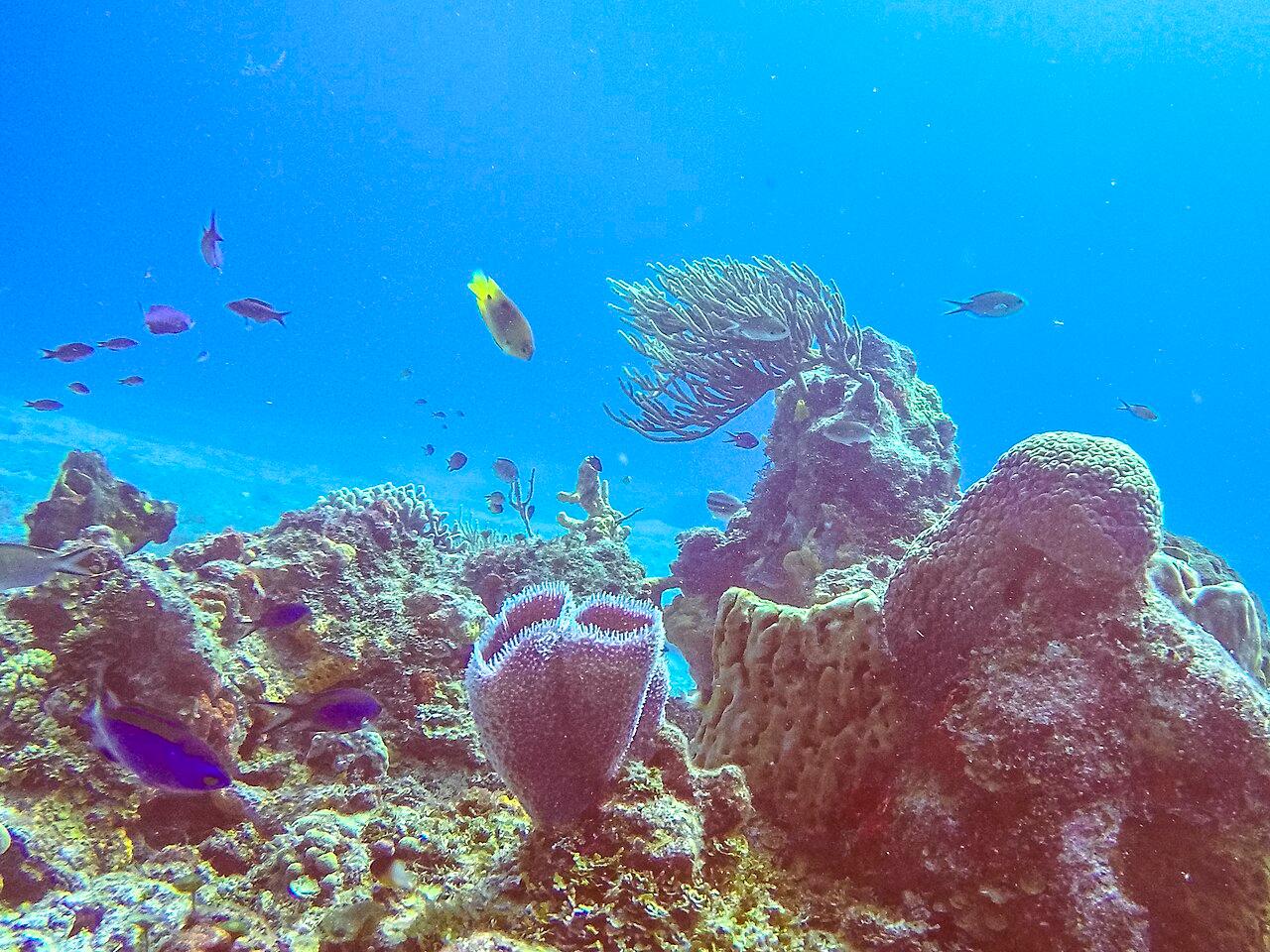
For divers and snorkelers, sargassum is a rare issue. All of Cozumel’s famous dive sites and most snorkeling areas are on the west or southwest coasts, far from where floating mats land. Visibility and reef access remain excellent even at the height of sargassum season. In my years guiding here, the reefs always deliver their dazzling color and marine life, no matter what’s happening on the open Caribbean side.
The dive shops we work with prioritize safety and clarity, so every trip is planned with real-time knowledge of visibility and water entry conditions. If you’re signing up for boat diving or an organized snorkeling trip on the west, sargassum simply isn’t a concern. Occasionally after a big storm or a unique wind event, you might notice a stray clump near the surface, but it never impacts the world-class visibility of sites like Palancar, Colombia, C-53 wreck, or Paradise.
Planning your dive holiday around sargassum? For Cozumel, it almost never requires extra adjustments if you’re sticking to the main west coast and southwest reefs. Most divers never even notice the seasonal seaweed, except perhaps on an adventurous day trip over to the island’s wild side for a post-dive sunrise view or a quick photo stop.
Those planning shore snorkeling or diving on the east side should be more flexible, as east coast currents can sometimes reduce clarity during heavy arrivals. But the classic sites—Palancar, Colombia, C-53 wreck, and Paradise Reef—remain clear and world-class year round.
Beachgoers and Snorkelers
The most reliable sargassum-free swimming is always on the west coast. Beach clubs and hotels rake and clear the sand daily. The only thing most travelers need to worry about in high season is finding their spot under a palapa, not dodging seaweed.
If you’re planning a day of beach-hopping, start in town and work your way south or north along the coast. Each club or resort has its own character, but what they all share is wonderfully swimmable water most of the year, with fine, bright sand and an easy wade into the Caribbean. Don’t forget to bring your own snorkel gear if you want maximum flexibility, as spontaneous dips are always an option here!
How Sargassum Changes Your Beach Experience
If you want to swim, lounge, or play in the water, the west is best. On the island’s eastern (windward) beaches, heavy sargassum can occasionally cover the sand or fill the shallows, along with a strong, earthy odor as it decomposes. Some local restaurants or clubs do clear small areas, but after major arrivals, seaweed can linger for days.
For most travelers, staying near San Miguel or anywhere along the west coast ensures a clean shoreline and great blue water—no matter the month. Resorts and clubs maintain their sand carefully for guests, and the sea views stay classic Caribbean turquoise.
If your heart is set on a certain east coast beach for its wild charm, plan to visit early in the day before the sun heats up natural odors and crowds arrive. Many travelers who visit both sides in the same trip love the contrast—the reliable west for swimming and sunset, and the wilder east at dawn for dramatic photos. Ultimately, most return to the west coast when it’s time for a lazy afternoon in the sun or a full day of uninterrupted water play.
Beach Hotels and Sargassum
For maximum east coast beauty, visit in the morning for dramatic landscapes—or check with a local before planning to swim. Stay on the west for reliable swimming, snorkeling, and sunbathing all season long.
Hotel staff and local guides are used to fielding questions about sargassum, and most are happy to provide real-time beach updates or direct you to the best spot for a particular day. If you’re booking a beachfront hotel, consider amenities like regular sand cleaning, water sports rentals, and shade—especially if you’re traveling in the summer months.
The west coast hotels and clubs have a long track record of responding rapidly to any changes in beach conditions, making this the safest bet for families and anyone wanting a smooth, easy stay. East coast accommodations may focus more on the wild, natural vibe—perfect for photographers or couples who want a dramatic sunrise, but not always ideal for swimming or young kids during sargassum season.
Sargassum Comparison Table: Which Coast Is Best?
| Coast/Region | Sargassum Impact | Best for | Who this isn’t for |
|---|---|---|---|
| West Coast (San Miguel, resort and dive areas) | Minimal to none | Divers, swimmers, families, resort travelers | Those seeking wild, secluded beaches |
| East Coast (Chen Rio, Playa San Martin, Punta Morena) | Frequent April–September | Adventurers, landscape photographers, sunrise chasers | Travelers wanting guaranteed swimmable beaches |
| South Coast (eco parks, Punta Sur reserve) | Occasional, variable | Nature lovers, day trips | Visitors needing full facilities |
| Downtown Waterfront (Malecon, ferry dock) | Minimal, rare | Easy-access snorkeling, shopping, strolling | Beach isolation seekers |
Conservation and Sargassum Etiquette
Sargassum isn’t just debris—it’s an important piece of the ocean ecosystem, supporting young fish and sea turtles before coming ashore. When it does land, cleaning should protect beach habitats and turtle nests. Most hotels rake by hand or with light tools; heavy machinery can harm wildlife, so let the pros handle it, especially during nesting season.
- Do: Use cleared swimming zones; let hotels or clubs manage cleaning responsibly.
- Don’t: Dump seaweed back in the ocean or trample large piles, as they may shelter hatchlings or native wildlife.
- Do: Enjoy and photograph the east coast’s natural drama—especially with early morning light over sargassum.
- Don’t: Walk over marked turtle nests (frequent in sargassum zones on the east coast).
The presence of sargassum means creatures both great and small are part of your beach day. It’s not just about convenience, but about balancing conservation and enjoyment. Many shorebirds, crustaceans, and baby turtles benefit from the shelter and nutrients that sargassum piles can provide. Let local staff handle any clean-up, especially since many east coast beaches double as turtle nesting sites—and marked nests or hatchling zones need extra care. If you’re visiting in early morning, watching baby turtles make their way to the ocean through sargassum can be a once-in-a-lifetime experience.
Snorkelers and divers can support conservation by choosing responsible operators, not touching corals or sea grass, and respecting local regulations. Always dispose of litter responsibly and leave natural objects like driftwood or shells untouched—as these also play a role in the island’s delicate balance.
Pre-Trip Checklist
- Book your stay and tours on the west side for reliably sargassum-free beaches.
- If heading east, check recent conditions; bring sandals for walking over possible seaweed piles.
- Always carry a mask or goggles if you want spontaneous snorkeling—especially handy along the west coast.
- Review local dive news before your trip for real-time updates on reef conditions.
It can also help to pack some eco-friendly, reef-safe sunscreen, especially if you’ll be spending time in the water. Protecting the reefs starts with every swimmer and snorkeler, and using only approved products helps maintain Cozumel’s spectacular marine habitats. Consider a lightweight beach bag or dry bag for carrying your essentials, as well as a reusable water bottle to stay hydrated under the tropical sun.
Travel Insurance and Medical Tips: While sargassum isn’t dangerous, it’s always smart to have travel or dive insurance for peace of mind. If participating in scuba activities, check coverage from reputable providers (such as DAN—Divers Alert Network) for any water-related incidents. For anyone sensitive to odors or with respiratory conditions, packing a mask or scarf can make east coast walks more comfortable during the height of sargassum arrivals.
Booking and Planning: Cozumel is a destination best enjoyed with some advance research. Booking ahead on the west side guarantees your pick of resorts and tours, particularly in peak travel or holiday periods. The shops we work with update their trip schedules in accordance with local weather and beach conditions, so you get the best available deal—even those not advertised publicly. When in doubt, send a quick inquiry for personalized tips based on your chosen dates.
Our Recommendation
- Beach lovers and families: Book the west coast, San Miguel, or a resort for year-round clean beaches and calm water.
- Divers and snorkelers: Choose west and southwest sites like Palancar, Colombia, and Paradise Reef for clear water every season.
- Adventurers and photographers: Explore sunrise and raw vistas on the east (Chen Rio, San Martin) for wild beauty—just don’t always expect perfect swimming.
- Anyone concerned about sargassum: Pick west coast hotels; you’ll rarely see more than a stray clump and get the classic Cozumel experience.
For travelers in 2026, understanding how sargassum acts in Cozumel is your secret to a perfect getaway.
Related on Cozumel Dive Hub
Dive sites:
- Barracuda Reef Cozumel: Advanced Drift Dive Site
- C-53 Shipwreck Dive Site
- Cantarel Cozumel – Seasonal Eagle Ray Diving
- Casa Blanca Cozumel: Complete Dive Site Guide
Dive shops:
Courses:
- AWARE Shark and Ray Conservation Specialty Course in Cozumel
- Emergency First Response Care for Children Course in Cozumel
More reading:
- Deepest Dive Sites in Cozumel: 2026 Wall Dive Guide
- Best Scuba Diving in Mexico: How Cozumel Compares
- How Cozumel Taxi Zones Work
- Cozumel Bull Shark Diving: The Real Local Experience
- Best Cozumel Dive Accommodations for Every Diver (2026)
Trusted resources: PADI, SSI, and DAN (Divers Alert Network).