
Deepest Dive Sites in Cozumel: 2026 Wall Dive Guide
Explore Cozumel's deepest dive sites for 2026, including Maracaibo, Colombia Deep, and Santa Rosa Wall. Find top sites for advanced divers and key prep
Luisa Carmona · September 20, 2026
If you’re searching for the deepest dive sites in Cozumel, you’ll find that the island’s most thrilling drop-offs are concentrated at Maracaibo, Colombia Deep, and Santa Rosa Wall. These sites are legendary among experienced divers for their dramatic walls, exhilarating currents, and the sense of adventure that comes with drifting through the blue. In my years guiding here, diving Cozumel’s walls remains unmatched for both challenge and reward—just be sure to bring your skills, preparation, and respect for the sea.
Key Takeaways
- Maracaibo, Colombia Deep, and Santa Rosa Wall are Cozumel's deepest wall dives, with maximum diveable depths up to 40m (130ft).
- All are suited to advanced divers due to the strong currents and depth—Maracaibo is the most remote and challenging.
- Santa Rosa Wall is often used as a first deep wall experience for recently certified advanced divers.
- Drift currents are typical here; practice with DSMB use and buoyancy is a must.
- Divers are likely to see sponges, black coral, eagle rays, turtles, and other pelagics at depth.
The Deepest Dive Sites in Cozumel
Maracaibo Wall
Located at the southern tip of the island, Maracaibo is Cozumel’s deepest and most remote accessible wall dive. The wall top begins around 21m, with guided dives typically planned from 24m and challenging drop-offs extending to the recreational limit of 40m (130ft). Currents here are among the strongest on the island, and the chance of seeing big pelagics adds to the excitement. Maracaibo is suitable only for very experienced divers comfortable with deep water, unpredictable drifts, and complex planning. It’s the site to challenge yourself once you’re fully dialed into Cozumel’s conditions.
Planning a dive at Maracaibo means working closely with your operator, as the logistics are more complex than for northern sites. It’s common for groups to review emergency procedures, alternate exit strategies, and even assign buddy roles specific to this site’s unique demands. Big animal encounters are always possible here, with the water’s depth and proximity to open ocean creating the potential for thrilling moments during your descent and along the wall. Because of these factors, it’s crucial to have your buoyancy, gas planning, and current navigation skills at their absolute best before considering Maracaibo.
Colombia Deep
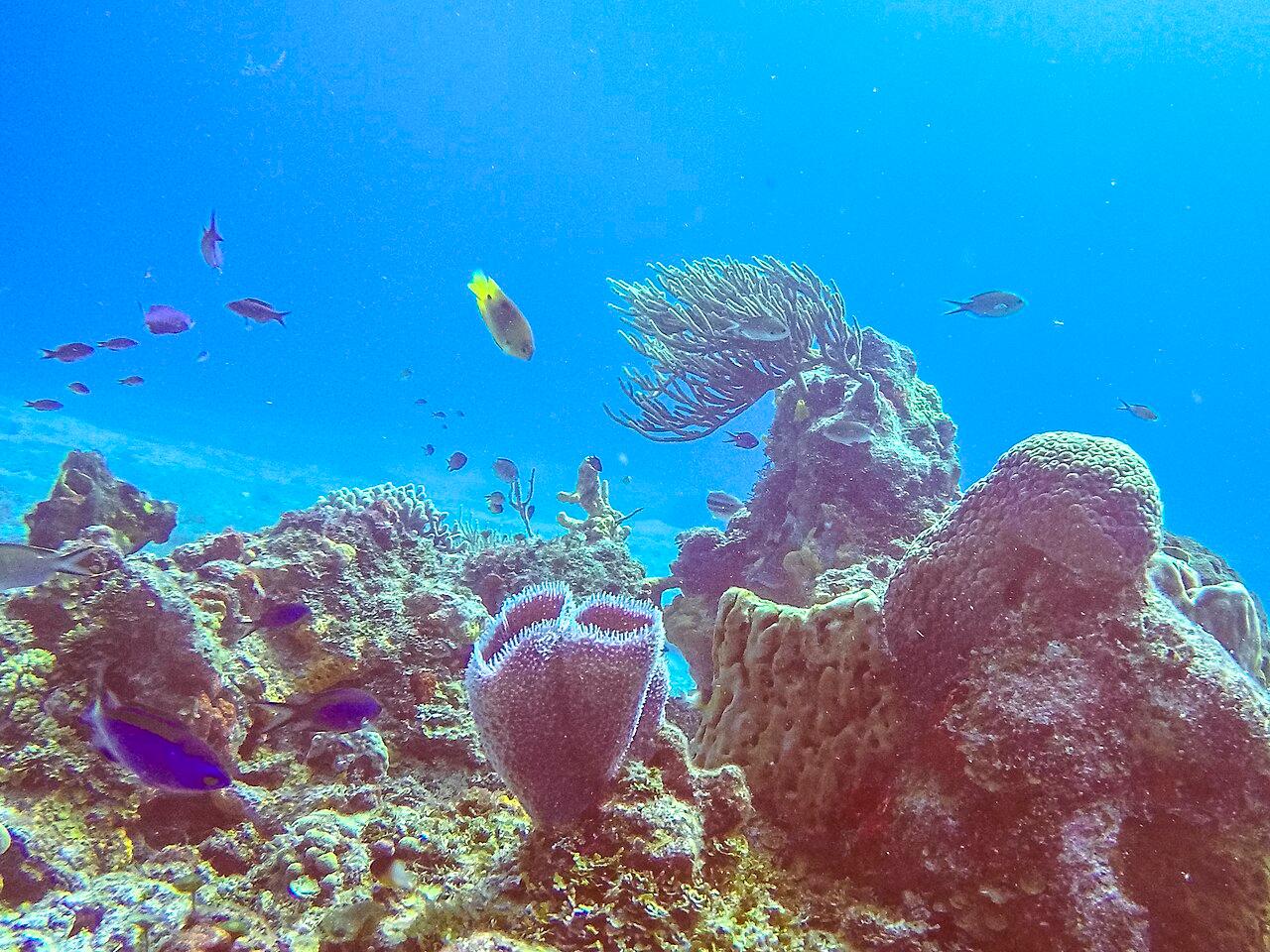
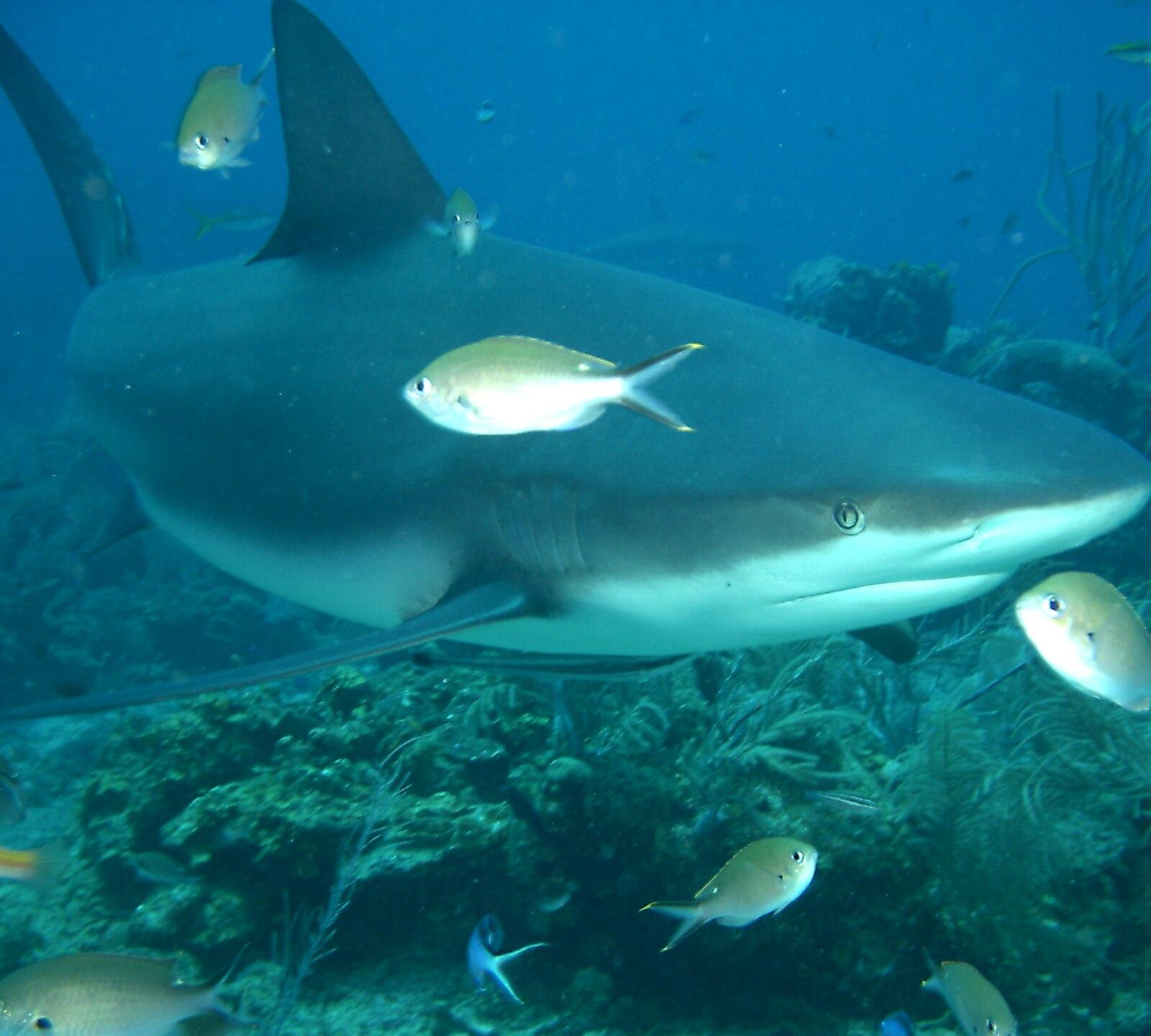
This famed wall dive features massive coral pinnacles and towers that reach from 30m–40m, offering spectacular swim-throughs, large barrel sponges, and dazzling light effects. The wall is home to eagle rays, turtles, and occasionally sharks, with some of Cozumel’s most dramatic underwater architecture. The current can be swift, so proficiency in deep diving skills and air management is crucial here. Colombia Deep is best for advanced divers looking to experience the full scale of Cozumel’s walls.
Colombia Deep’s reputation comes not just from its depth, but from the immersive underwater landscape it provides. The large structures and swim-throughs mean you’ll need excellent fin control and spatial awareness to preserve the pristine conditions—many corals here are easily damaged by stray fins or misplaced hands. Divers appreciate the way the sunlight shifts as you move through the deeper sections, with blue water on one side and thriving reef life on the other. It’s a perfect site for experienced underwater photographers seeking both vast landscapes and close-up details among the sponges and corals.
Santa Rosa Wall
Santa Rosa Wall starts at about 15m (50ft) and drops steeply, commonly dived between 18m and 30m but continuing far deeper into the blue. Its vibrant sponges, large overhangs, and famous swim-throughs make it one of the most popular deep dives on the island. The topography and frequent encounters with turtles or eagle rays give Santa Rosa its reputation as a must-dive wall for those building deep experience.
With its blend of depth and approachable conditions, Santa Rosa Wall is often the first true deep wall most advanced divers experience on Cozumel. The wall’s layout allows for a range of profiles, and the abundant marine life and clear water mean there’s always something new to discover. The combination of easy access, variable current, and sponges that glow in the sunlight just above the edge make this a favorite dive for nearly all certified advanced divers visiting the island. When currents pick up, the feeling of a flying drift is unforgettable, especially if you can maintain good trim and buoyancy.
Palancar Bricks & Caves
Palancar’s deep sections, including Bricks and Caves, begin around 24m and offer beautiful coral buttresses and intricate swim-throughs. Depths stay within recreational limits, and these sites are excellent for advanced divers looking to hone drift and navigation skills on extensive wall systems.
Palancar Bricks & Caves strike a careful balance, providing a genuine sense of immersion without requiring the same level of commitment as Cozumel’s very deepest walls. Here, you find a blend of vertical drop-offs, landing zones, and swim-through passages that challenge your finning and situational awareness. The complexity of the reef structures draws seasoned divers who want to practice floating nearly motionless in tunnels, peeking out at the blue below, or navigating from pinnacle to pinnacle on a single tank. Guides often recommend these sites for divers working toward more advanced certifications or simply wanting to shake the cobwebs out after time away from deep, current-driven environments.
Other Deep Walls: Chun Chacaab and the South
The southernmost wall sites such as Chun Chacaab offer depths from 18m to mid-20s and are characterized by sometimes unpredictable currents and sightings of larger marine life. These sites can serve as an intermediate step for divers progressing toward the deepest walls.
Divers often use the southern walls as a stepwise progression. If you’ve just completed your advanced training or are getting reacquainted with deep diving, the southern walls are an ideal environment to build both confidence and skill. You’ll get a taste of the current, breathtaking drop-offs, and wildlife encounters, all within a profile you and your guide can manage while sharpening your deep-water protocols. Chun Chacaab and nearby sites help develop situational awareness in blue-water environments, which is invaluable when moving up to more demanding profiles like Maracaibo or Colombia Deep.
Who Are Deep Dives in Cozumel For?
Deep wall dives are designed for advanced divers: you should be certified to at least Advanced Open Water (or equivalent), have recent experience in deep or strong-current environments, and be proficient with buoyancy and gas planning. If you’ve been out of the water for a while, start with shallower dives and work up to the deeper walls—it makes the whole journey more enjoyable and safer. If you’re building up your skill set, walls like Santa Rosa or the Palancar formations are the perfect training grounds for mastering drift control and deep diving.
This is especially relevant for those seeking to improve or refresh their handling of equipment such as surface marker buoys, or practicing navigation when visibility shifts or currents become unpredictable. Operators are typically happy to discuss your prior experience and recommend sites that suit your goals as well as your comfort level—just be candid about any areas where you’d appreciate extra support or a slower profile. Progressing steadily through increasing depth and current is not only safer but also brings out the best of Cozumel’s unique underwater landscape.
Comparison Table: Deep Dive Options in Cozumel
| Site | Best for | Who this isn’t for |
|---|---|---|
| Maracaibo | Highly experienced, physically fit advanced divers; those seeking deep wilderness walls | Anyone new to deep diving, out of practice, or unsettled by strong, unpredictable currents |
| Colombia Deep | Advanced divers seeking incredible pinnacles and marine life | Inexperienced divers, those poorly practiced with deep air management |
| Santa Rosa Wall | Advanced divers new to wall diving; first deep drift experiences | Total beginners or anyone without comfort in mild-to-moderate currents |
| Palancar Bricks & Caves | Intermediate-to-advanced divers wanting deep navigation practice | Entry-level divers or those anxious in swim-throughs |
| Chun Chacaab | Intermediate divers, those working toward deep confidence | Divers without experience in currents or at depths over 18m |
Depth, Safety, and Skills
Depth Limits and Current Conditions
Recreational walls here are dived between 24m and 40m, the worldwide recreational maximum. Current can range from gentle to swift, but on the southernmost deep sites, expect frequent strong flows and sometimes challenging entry or exit conditions. A DSMB (surface marker) and familiarity with drift protocol are essential—make sure you’ve practiced before the trip.
Many new divers to Cozumel are surprised by how quickly currents can shift even between adjacent sites. That’s why guides typically brief each group thoroughly before entering the water, covering not just emergency hand signals but also how to stay together when visibility drops or if someone becomes separated. Having a well-maintained SMB or DSMB and the confidence to deploy it in open water are non-negotiable safety basics for all deep wall dives on the island.
Training, Refreshers, and Equipment Tips
Don’t attempt deep walls without an advanced certification, current experience below 18m, and recent refresher training if you’ve been away from the sport. Practice deploying a DSMB and performing midwater safety stops. Make sure your regulator is recently serviced, and bring a backup mask if conditions become rough. If considering sidemount for longer or more technical dives, book a specialty course before the trip to get familiar underwater. Check out further guidance at PADI.com or divessi.com for recognized standards and prep advice.
Most local operations provide rental equipment, but experienced divers often travel with their own mask, fins, and computers to maximize comfort and confidence underwater. Before your trip, double-check your gear function and battery charge, especially if you’ll be relying on a dive computer for multi-level profiles. For those who want extra peace of mind, consider fitting your gear with a small emergency whistle or cutting tool—a wise move on any big wall or drift dive.
Insurance is always worth considering for deep wall diving, especially if planning several challenging days in a row. Programs recognized by agencies like DAN (Divers Alert Network) are frequently recommended for both health coverage and evacuation logistics. Many guides recommend reviewing what your travel insurance covers and updating policies if you plan to include deep diving or technical profiles on your trip.
Marine Life Encounters at Depth
The shallower reefs in Cozumel teem with smaller fish, but the deep walls are hotspots for eagle rays, turtles, groupers, and the unique Cozumel endemic splendid toadfish. Black coral, sponges, and giant gorgonians can be seen flourishing at depth. Bring a wide-angle lens for photography—these dramatic walls are among the most photogenic dives in the Caribbean.
One of the delights of deep wall diving is the unpredictability of what you will see. Large marine life can appear out of the blue, drawn by upwelling currents or the plentiful food around the drop-offs. The ever-moving shadows at depth make every dive feel unique, and spotting a big ray or turtle is always a shared moment of awe among buddies. Photographers appreciate the interplay of sunlight, water clarity, and the vibrant surfaces of the walls, where the colors seem to pop even more vividly than at shallower depths, especially just after the sun ascends.
What to Expect on a Deep Diving Day in Cozumel
Planning a deep wall diving trip involves a bit more coordination than a typical shallow reef dive. Most operators start the day with an in-depth briefing, covering potential site options, current conditions, emergency procedures, and a review of the day’s plan. You’ll need to make sure your surface intervals are observed—deep sites are usually the first dive of a two-tank trip, followed by a shallower second dive.
Divers are often grouped by experience level and also by recent dive logs, so it’s helpful to bring your certification cards and, if you have them, records of recent deep dives. Boats usually carry spares of essential gear, but it’s smart to pack your own DSMB, backup light, and basic repair kit for little issues. Sites like Maracaibo may require an early departure, as the ride south is longer and operators may want to catch the best possible conditions based on tides and wind.
Surface support staff remain particularly vigilant when deep wall diving is on the schedule, often keeping a closer eye on diver bubbles and being ready for drift pick-ups. Surface conditions can change quickly, especially off the south end, so everyone should stay alert and follow crew directions promptly. Once the group surfaces, it’s common practice to signal the boat and wait for pick-up while drifting in your group, using your DSMB for visibility.
How Deep Dive Trips Are Arranged
Booking a deep wall trip on Cozumel generally means coordinating with operators who have experience and permits for the advanced sites. It’s best to communicate in advance about your level, goals, and gear needs. The shops we work with typically run small groups for deep dives and adapt the plan to both diver skill and current sea conditions. Wind, currents, and marine park policies play major roles in determining which wall is safe and suitable on a given day.
Advanced dives almost always take place in the morning, to maximize your rest interval, and it’s expected that you arrive early to allow for equipment checks, paperwork, and briefings. Don’t hesitate to ask your shop about upcoming conditions if you want to target a particular wall—they want you to have the best and safest experience possible. Remember, advance booking is recommended, especially during high season, to secure your spot on the right trip.
Cozumel’s deep wall guides are known for their professionalism as well as their knowledge of each site’s unique features and hazards. If you’re unsure about which site is right for you, let us know what you’re looking for and we’ll help match you with the best available operator and guide for your specific needs, including some deals that aren’t advertised publicly.
Conservation and Dive Etiquette
- Always control your buoyancy to avoid damaging corals and sponges.
- Never chase or touch marine life; keep a respectful distance at all times.
- Deploy your DSMB before surfacing, especially after a blue-water drift.
- Check park rules at the Cozumel Marine Park before each dive.
Cozumel’s marine park is a protected treasure, and divers share a responsibility to minimize impact every time they enter the water. Strong currents mean even small mistakes—like failing to trim your profile or accidentally brushing a sponge—can do real harm in these delicate areas. Make sure all hoses and gauges are secure, and consider wearing gloves only if authorized by the shop, since in most protected zones they are not permitted. Avoid using sunscreen that isn’t reef-safe and rinse all gear thoroughly after each dive to prevent contamination.
Divers should make a habit of not shining lights directly at wildlife for long periods and refrain from sudden movements that can startle rays, turtles, or fish. Park rangers and operators are committed to enforcing the highest standards, but the stewardship of these walls begins with each diver’s day-to-day actions. For more information about the park’s conservation work or to stay updated on best practices, consult local environmental resources and speak directly with your shops before diving.
General Guide Tips
- In Cozumel, be ready for current and bring only what you’re comfortable managing—both in gear and skills.
- Never hesitate to tell your guide if you want a shallower profile or extra time to practice something. Safety and comfort matter more than ticking the deepest box.
Another tip: take notes after each wall dive on how the conditions, gear, and your own skills performed. Over multiple days, you’ll develop a clear sense of improvement and can discuss these notes with guides who will help you continue progressing toward your deep diving goals.
Our Recommendation
- Very experienced or returning advanced divers: Maracaibo or Colombia Deep for the wildest challenge
- Newer advanced divers: Santa Rosa Wall for a first wall experience, or Palancar Bricks/Caves for stunning swim-throughs
- Building confidence at depth: Chun Chacaab or the deeper Palancar sections
- Big animal-seekers: Maracaibo and Colombia Deep offer great odds for rays and pelagics
No matter your path, the deepest dive sites in Cozumel deliver unforgettable adventures when approached with the right prep, training, and respect for conditions.
Related on Cozumel Dive Hub
Dive sites:
- Barracuda Reef Cozumel: Advanced Drift Dive Site
- C-53 Shipwreck Dive Site
- Cantarel Cozumel – Seasonal Eagle Ray Diving
Dive shops:
Courses:
- AWARE Shark and Ray Conservation Specialty Course in Cozumel
- Emergency First Response Care for Children Course in Cozumel
More reading: